


 David Wortley Brings AI Warning To Oxford World Leaders
Home»GlobalTrends»Irix Makes Written Language Easier To Understand
Irix Makes Written Language Easier To Understand
Irix explores a future where written language can become more accessible by translating unfamiliar text across dozens of languages.
Imagine looking at a page filled with writing that you cannot recognize. The symbols may resemble ancient hieroglyphics, a foreign alphabet, or a language you have never encountered before. You can hear the words. You can speak. Yet the meaning remains hidden because you cannot understand what you are seeing.
That distinction is at the heart of the idea behind Irix.
While much of the conversation around accessibility focuses on the ability to hear and speak, seeing and understanding written information can present an entirely different challenge. A person may already be able to communicate verbally while still facing barriers when information is presented visually.
Irix is being developed around the possibility of reducing that barrier through language translation.
When Seeing Does Not Mean Understanding
Written language is everywhere. Signs, documents, messages, books, instructions, menus, websites, and labels all depend on a person's ability to recognize and understand text.
For someone encountering an unfamiliar language, seeing the words does not necessarily provide access to their meaning.
Consider the experience of encountering Egyptian hieroglyphics without knowing how to interpret them. The symbols can be visually recognizable while remaining linguistically inaccessible. Modern languages can create the same problem when a person encounters an unfamiliar writing system.
Translation technology has already changed how people communicate across languages. Irix takes that concept into the visual realm, focusing on the possibility of helping users understand written language that might otherwise remain inaccessible.
Irix And The Challenge Of 60 Languages
According to the information provided, Irix can currently translate approximately 60 languages.
That capability points toward a broader vision for language accessibility. Instead of requiring people to manually identify unfamiliar writing, copy text, search for a translation service, and then interpret the result, technology can potentially bring those steps closer together.
The significance is not simply the number of languages.
Every additional language creates another opportunity for someone to understand information that previously appeared unfamiliar. For people navigating international environments, multilingual documents, foreign websites, travel situations, or unfamiliar written materials, translation can turn uncertainty into comprehension.
The concept also raises an interesting question about how humans interact with technology.
What if language barriers were not primarily about whether someone could hear or speak, but about whether the information in front of them could be understood?
From Unfamiliar Symbols To Meaning
One useful way to understand the concept is to imagine the gap between recognition and comprehension.
A person can see a word without knowing what it means. They can recognize that a page contains writing without knowing which language it uses. They may even identify individual symbols without understanding how those symbols work together.
Translation technology can potentially bridge that gap.
The familiar example of a hieroglyphics translator illustrates the idea clearly. Ancient Egyptian writing can appear mysterious to someone without specialized knowledge. A translation system provides a pathway from unfamiliar symbols toward understandable language.
Modern written languages present a similar challenge, even when they are not ancient or symbolic.
For Irix, the broader objective appears to be making that translation process more accessible across a growing range of languages.
A Different Way To Think About Accessibility
Accessibility is often discussed in terms of hearing, speech, movement, or vision. Language adds another dimension.
A person can see perfectly well and still face a form of informational barrier when the writing in front of them is unfamiliar.
That distinction matters in an increasingly connected world.
People travel across countries, work with international teams, communicate with multilingual communities, and encounter foreign language content online every day. As these interactions become more common, tools that reduce language barriers can become increasingly relevant.
Irix's approach reflects this changing environment by focusing on the relationship between what people see and what they can understand.
The technology does not need to change the person's ability to see. Instead, it can potentially change what the written information means to them.
The Bigger Possibility Behind Irix
The ability to translate dozens of languages is only one part of the larger idea.
The more important question is what happens when translation becomes easier to access. A document that once required outside assistance could become understandable. A foreign sign could become informative. An unfamiliar text could become approachable.
That possibility becomes particularly interesting as artificial intelligence continues to improve the way computers process language.
Rather than treating language as a barrier that users must overcome manually, emerging technologies can help interpret and transform information in ways that feel more immediate.
Irix sits within that broader movement.
Its current language coverage, described as approximately 60 languages, represents a foundation rather than necessarily an endpoint. As language technology develops, the ability to move between written languages may become increasingly integrated into everyday experiences.
For now, the central idea is remarkably simple: seeing something should not necessarily mean being locked out of its meaning.
Explore The Irix Vision
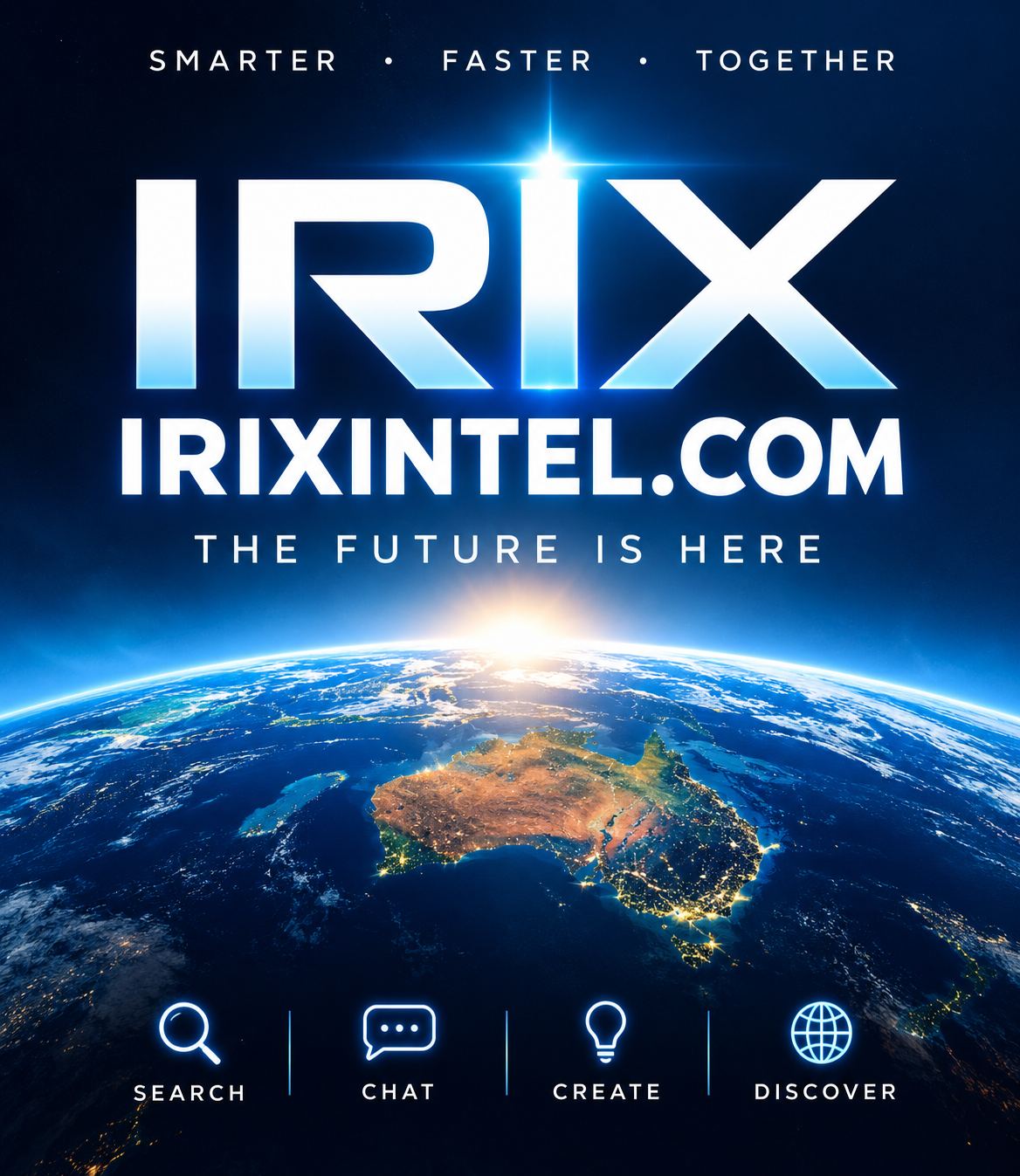
Irix is exploring new ways to make written language more understandable across language barriers. Learn more about the platform and its developing capabilities at IrixIntel.com.
As translation technology continues to evolve, Irix represents an approach centered on a basic human need: understanding the information that surrounds us, regardless of the language in which it appears.

Leadr Magazine Contributor
Abigail Rhodes
Covers entrepreneurship, innovation, and career development, sharing stories about ambitious professionals and growing businesses.
This article features partner, contributor, or branded content from a third party. Members of the Leadr Magazine editorial staff were not involved in the creation of this content. All views and opinions are those of the contributor alone.
Related Posts
David Wortley Brings AI Warning To Oxford World Leaders Anthropic Reveals Massive AI Infrastructure Plans as It Moves Toward Landmark IPO
 Funko’s New CEO Pursues Turnaround as Collectibles Company Rebuilds Around Faster Product Development