




 Irix Makes Written Language Easier To Understand
Home»GlobalTrends»Alibaba Launches $10 Billion Share Placement to Finance Artificial Int…
Alibaba Launches $10 Billion Share Placement to Finance Artificial Intelligence Expansion
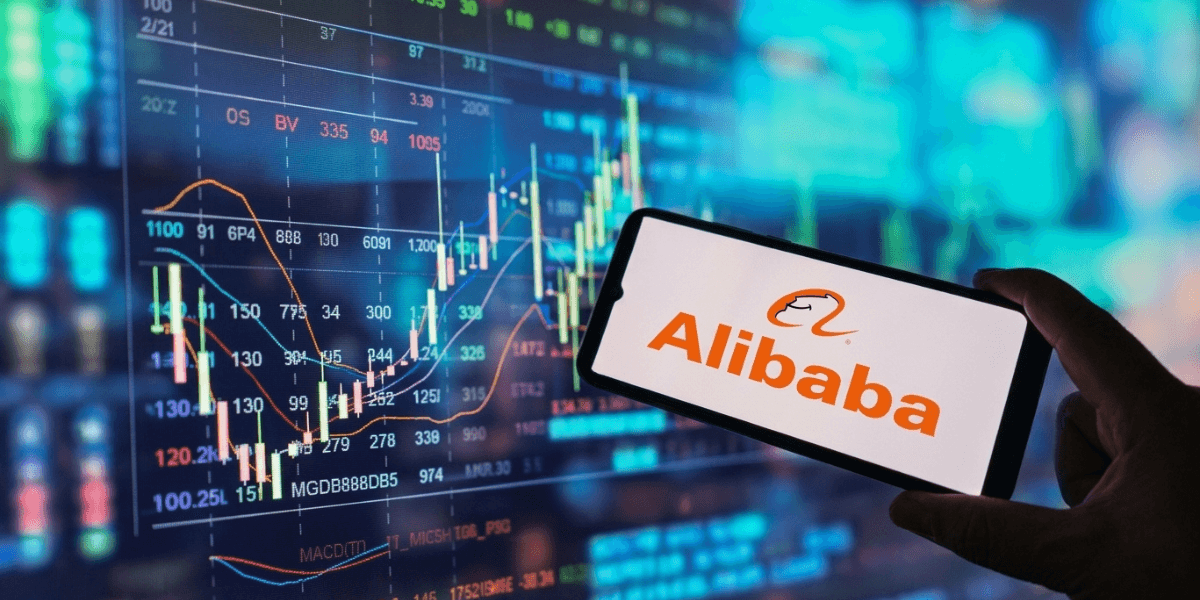
Alibaba launched an approximately $10.2 billion share placement in Hong Kong on Sunday as the Chinese technology company seeks additional capital for artificial-intelligence investment and related business expansion.
The transaction represents one of the largest recent equity financings by a major Asian technology company and demonstrates how AI infrastructure and development are increasingly influencing corporate capital decisions.
Reuters reported that Alibaba launched the placement at HK$80 billion, equivalent to approximately $10.2 billion, as the company seeks to finance AI spending.
The development has significance beyond Alibaba because it illustrates the scale of capital that large technology companies are prepared to commit to AI.
AI becomes a capital-intensive industry
Artificial intelligence is often discussed primarily as a software development story.
However, operating advanced AI systems requires substantial computing infrastructure, data centers, networking equipment and specialized chips.
Technology companies must therefore raise and allocate capital to support AI growth.
Alibaba's financing demonstrates the financial scale involved.
Rather than relying entirely on existing cash flow, the company is using a major equity transaction to strengthen its financial resources for future investment.
That approach reflects the increasing importance of AI in corporate strategy.
A major financing decision
The HK$80 billion placement gives Alibaba additional capital at a time when technology companies around the world are increasing spending on AI.
The company has been investing heavily in cloud computing and AI services.
Its cloud division provides infrastructure used by businesses and developers, while its broader technology ecosystem gives it multiple potential applications for AI.
The new financing can therefore support investment across a range of technology activities.
Why investors are watching AI spending
The scale of the transaction also highlights a central question facing technology investors and executives: how much capital should companies commit to AI before the returns become clear?
The AI industry has attracted enormous investment because companies expect the technology to improve productivity, create new products and increase demand for computing services.
At the same time, AI infrastructure requires substantial upfront spending.
Data centers can take years to develop, while advanced computing hardware requires significant capital.
Alibaba's decision to raise billions of dollars demonstrates that management expects AI-related opportunities to justify continued investment.
The global AI race
The development also shows that AI competition extends far beyond the United States.
Chinese technology companies are investing heavily in cloud computing, AI models and related infrastructure.
Alibaba is one of several large technology companies seeking to build a position in an increasingly competitive AI market.
That competition has implications for businesses worldwide.
Companies that depend on cloud computing and AI services may eventually have access to more providers, more models and potentially different pricing structures.
Capital markets support technology expansion
The transaction demonstrates the continuing role of capital markets in financing technology development.
Technology companies can use equity financing to raise money for projects that may require substantial investment before producing returns.
For executives, the decision involves balancing dilution, capital requirements and growth opportunities.
For investors, it raises questions about whether future earnings growth will justify the capital being deployed.
Those questions are not unique to Alibaba.
Similar considerations are affecting companies building AI infrastructure across multiple markets.
Implications for entrepreneurs
The transaction also offers a signal to smaller technology companies.
AI opportunities are increasingly being built around infrastructure, cloud services, specialized software and enterprise applications.
As major companies commit billions of dollars to the sector, entrepreneurs can expect a larger ecosystem of suppliers and customers.
At the same time, the scale of investment means competition is likely to remain intense.
Smaller companies may need specialized products or services to compete against technology giants with enormous capital resources.
The broader business trend
Alibaba's financing is part of a wider shift in which AI is becoming a core component of corporate investment planning.
Companies are no longer treating AI solely as an experimental technology.
Instead, it is increasingly being incorporated into long-term infrastructure strategies.
That means capital allocation decisions are being influenced by expectations about AI demand, cloud computing and digital services.
Why the development matters
Alibaba's $10.2 billion share placement is significant because it demonstrates the extraordinary financial scale behind the global AI expansion.
The transaction is also a reminder that the AI competition is not limited to developing better software.
Companies must secure capital, computing capacity and infrastructure to compete.
For business leaders, the announcement illustrates how AI is becoming a major corporate investment category.
For the global technology industry, it provides another indication that the next phase of AI development will require enormous financial commitments.
The decision by one of Asia's largest technology companies to raise more than $10 billion specifically in the context of AI spending underscores how deeply artificial intelligence has become embedded in global corporate strategy.

Leadr Magazine Contributor
Ivan Petrosyan
Covers global markets and corporate finance, mapping the trends moving capital across borders.
This article features partner, contributor, or branded content from a third party. Members of the Leadr Magazine editorial staff were not involved in the creation of this content. All views and opinions are those of the contributor alone.
Related Posts
Irix Makes Written Language Easier To Understand Micron Raises AI Infrastructure Stakes With $250 Billion U.S. Investment Plan
 How Campfire Company Rebuilds Teams In Nature