



 How Campfire Company Rebuilds Teams In Nature
Home»Leadership»Paramount-Warner Bros. Discovery Merger Puts Dual Leadership Model Und…
Paramount-Warner Bros. Discovery Merger Puts Dual Leadership Model Under the Spotlight
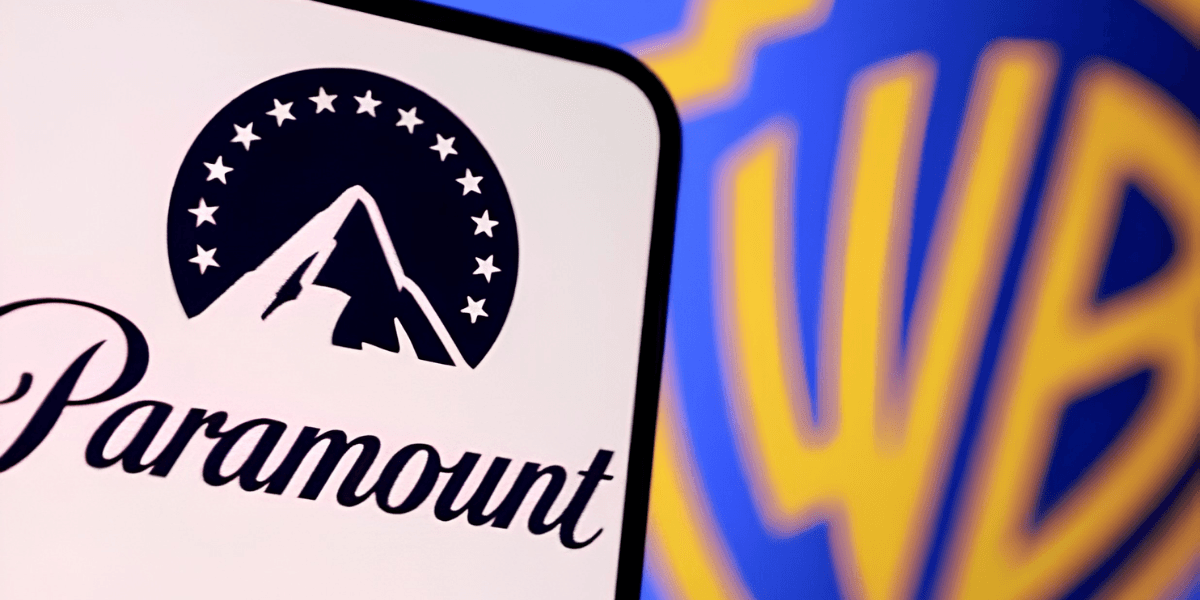
Paramount’s Warner Bros. Discovery merger spotlights a co-CEO leadership model as the combined company prepares for major integration challenges.
Paramount Skydance's decision to place Mattel's former chief executive Ynon Kreiz alongside David Ellison in a co-chief executive structure has placed leadership design at the center of one of the entertainment industry's largest corporate combinations. The arrangement comes as Paramount prepares to complete its $110 billion acquisition of Warner Bros. Discovery, creating a significantly larger media company with a complex portfolio of businesses.
Kreiz brings extensive experience in entertainment, consumer products and intellectual-property strategy to the combination. During his tenure at Mattel, he helped reshape the company around its intellectual-property portfolio, including the strategy that contributed to the successful Barbie film partnership with Warner Bros.
Ellison, meanwhile, remains chairman and chief executive of Paramount Skydance and is expected to continue leading the broader organization. The addition of Kreiz gives the combined company another senior executive with experience managing large entertainment assets and developing commercial opportunities around established brands.
The leadership structure reflects the scale of the transaction. Paramount's planned combination with Warner Bros. Discovery brings together film studios, television networks, streaming platforms, news operations and other media assets. Integrating those businesses will require decisions about organizational structure, spending, content strategy and the future role of traditional television.
The transaction is also expected to bring substantial financial and operational pressure. Reuters reported that Paramount has promised approximately $6 billion in synergies, while the combined organization would carry a significant debt burden. Those factors make leadership coordination particularly important as the company attempts to integrate operations while pursuing growth.
A co-CEO structure can provide access to complementary expertise, but it can also create questions about accountability and decision-making authority. Large organizations typically require clear reporting lines when executives are responsible for overlapping strategic areas. The Paramount arrangement therefore represents not only a personnel decision but also an organizational experiment during a major corporate transition.
The leadership challenge extends beyond the two executives. The combined company's board, senior management and divisional leaders will have to establish how authority is divided across the organization. Decisions involving streaming, theatrical releases, television, news and licensing can involve competing priorities, making coordination particularly important.
Kreiz's experience at Mattel also offers a strategic connection between entertainment and consumer products. The Barbie franchise demonstrated how intellectual property can extend beyond a traditional entertainment release into licensing, merchandising and other commercial channels. That experience could become relevant as Paramount seeks to extract more value from the brands and franchises within the combined portfolio.
The merger also comes at a time when traditional media companies are adjusting to major changes in how audiences consume entertainment. Streaming has altered television economics, while advertising markets, theatrical distribution and content spending continue to evolve. The resulting company will have to balance legacy businesses with newer digital platforms.
For business leaders, the transaction illustrates the difficulty of designing an executive structure for a company undergoing simultaneous transformation and integration. The challenge is not simply selecting experienced executives. It is establishing a framework in which responsibilities are clear, decisions can be made efficiently and strategic priorities remain aligned.
The Paramount-Warner Bros. Discovery combination will ultimately provide a major test of that structure. The company's performance will depend on more than its executive titles, but leadership design will influence how quickly the organization can make decisions and integrate its businesses.
With the merger approaching completion, the leadership model will move from corporate announcement to operational reality. The next stage will show whether two experienced executives can divide responsibilities effectively while maintaining a coherent strategy across one of the world's largest entertainment businesses.

Leadr Magazine Contributor
Ashley Franklin
Covers entrepreneurship, branding, leadership, and emerging companies.
This article features partner, contributor, or branded content from a third party. Members of the Leadr Magazine editorial staff were not involved in the creation of this content. All views and opinions are those of the contributor alone.
Related Posts
How Campfire Company Rebuilds Teams In Nature Tony Vlahovic: One Dream, One Team, No Limits
 Shabnum Bi Named Entrepreneur of the Year 2025