


 The Consultation Club Leads In Ten Minutes
Home»Leadership»The Cultural Architect: How Fire Chief Walt W. White Is Redefining Lea…
The Cultural Architect: How Fire Chief Walt W. White Is Redefining Leadership Through Organizational Culture
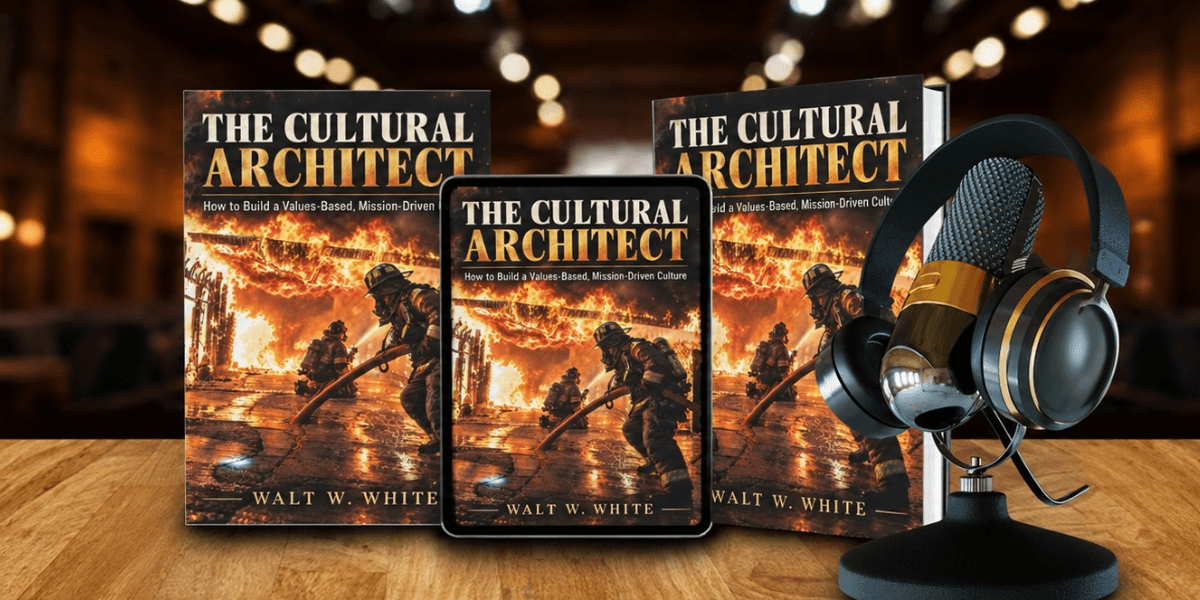
Drawing on 40 years in the fire service, Walt W. White reveals how trust, accountability, and values build cultures that endure.
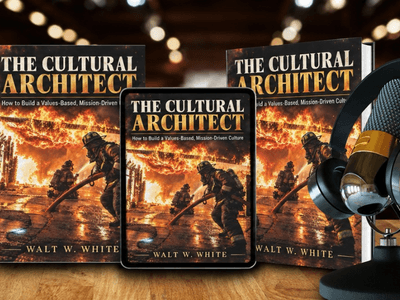
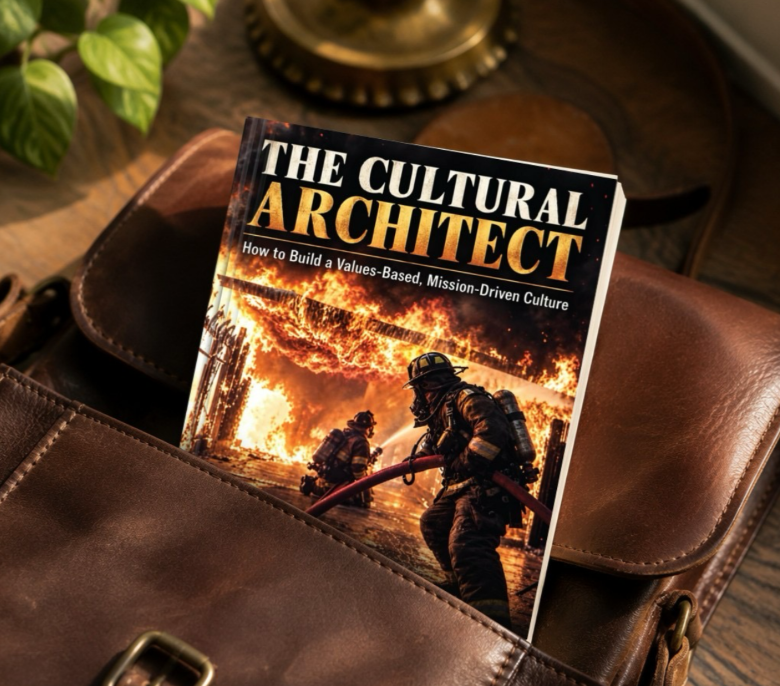
When an organization faces its most consequential moments, its true character comes into focus. Strategies may be carefully designed, goals may be clearly defined, and leaders may have the best intentions. Yet when pressure rises, the outcome often depends on something deeper: organizational culture. For veteran Fire Chief Walt W. White, this lesson emerged not from a classroom but from four decades of service, difficult decisions, and the responsibility of leading people when the stakes were high. Now, through his book, The Cultural Architect: How to Build a Values-Based, Mission-Driven Culture, White shares a leadership philosophy built on a powerful principle: Organizations do not automatically rise to the level of their expectations. They fall to the level of their culture.
The Cultural Architect: Four Decades Of Leadership Lessons
Throughout his 40 years in the fire service, Walt W. White led three separate fire agencies across California and Nevada, including the Sacramento Fire Department. During 12 years as a fire chief, he guided organizations through some of their most consequential periods, gaining firsthand insight into the relationship between leadership, trust, accountability, and organizational performance. His experience revealed that successful leadership requires more than operational expertise. It demands an understanding of the people, behaviors, and shared values that shape an organization's identity. Rather than presenting leadership as a collection of perfect decisions, White examines the realities of responsibility, including the moments when well intended actions produce unexpected results.
That willingness to acknowledge failure distinguishes The Cultural Architect from conventional leadership narratives. White does not limit his lessons to achievements or favorable outcomes. Instead, he explores the decisions that challenged his assumptions and forced him to reconsider his approach. His perspective reflects a belief that failure can reveal weaknesses that success sometimes conceals. By examining both, leaders can better understand how their actions influence employee confidence, organizational expectations, and long term performance. This approach gives readers a practical view of leadership, one rooted in experience rather than theory alone.
Why Organizational Culture Matters More Than Strategy
Every organization has a culture, whether its leaders intentionally shape it or allow it to develop on its own. The more important question is whether that culture supports the organization's mission. White argues that even the strongest strategies can struggle when trust is weak, accountability is inconsistent, or employees lack a shared sense of purpose. Conversely, an organization built around clear values and mutual responsibility is better positioned to respond when circumstances become difficult. His message challenges executives and managers to look beyond policies and performance reports and consider the daily behaviors that ultimately determine how their organizations function.
In The Cultural Architect, White introduces seven essential elements of organizational culture and three primary levers for organizational renewal. Developed from his leadership experience, this framework is designed to help leaders assess their current culture, identify areas that need attention, and create a stronger connection between organizational values and everyday actions. Rather than treating culture as an abstract concept, he presents it as something leaders can actively influence through consistent decisions, communication, and example. The central objective is to build a values based, mission driven culture that can remain effective through leadership transitions, operational challenges, and changing expectations.
Wander, Don't Wonder: A Different Approach To Leadership
One of White's most memorable leadership principles is that leaders should "Wander, not Wonder." The idea is straightforward but carries significant implications. Leaders cannot fully understand their organizations by remaining behind desks, relying exclusively on reports, or assuming they know what employees experience. They must be present, observe daily operations, listen to concerns, and develop relationships with the people responsible for carrying out the mission. By engaging directly with their teams, leaders gain a clearer picture of organizational strengths, emerging problems, and opportunities for improvement.
White also encourages leaders to "Huddle Up" their teams when circumstances call for collaboration, trust, and creative thinking. These conversations provide opportunities for employees to contribute ideas, challenge assumptions, and participate in finding solutions. The approach reflects his belief that effective leadership is not about maintaining distance or projecting authority. It is about creating an environment where people feel respected, understand expectations, and share responsibility for results. In this model, communication becomes more than a management function. It becomes a means of strengthening the culture itself.
Leadership As Stewardship: Building Something That Lasts
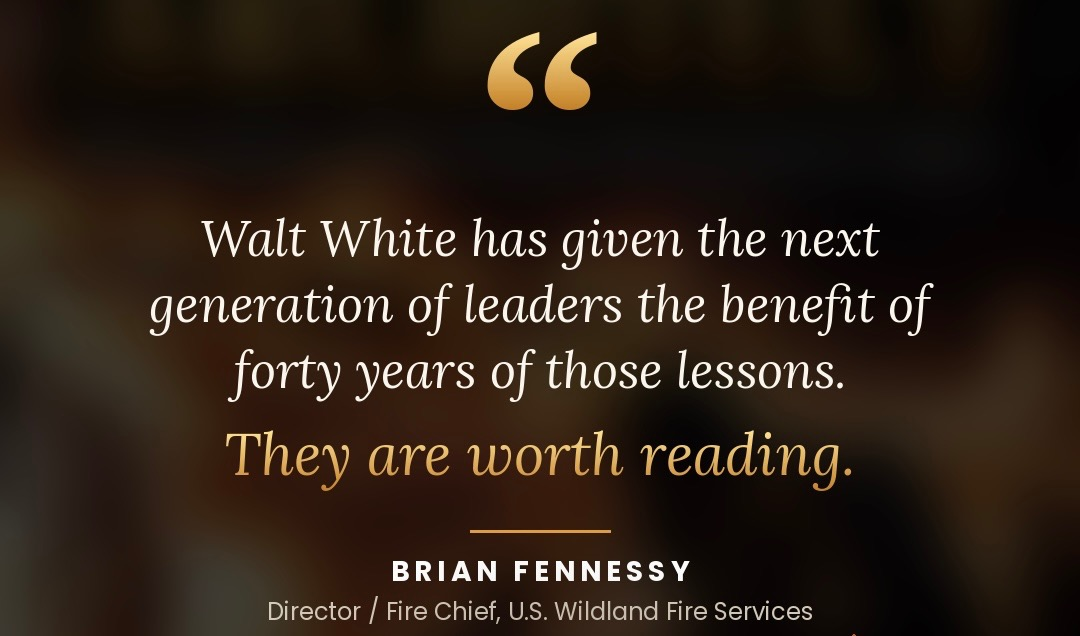
Perhaps the most enduring idea in White's philosophy is that leadership should be understood as stewardship. The goal is not to create an organization that cannot function without its current leader. Instead, it is to develop a culture capable of thriving long after that leader has departed. This requires humility rather than arrogance, accountability rather than excuses, and a commitment to developing others rather than concentrating influence in one individual. Leaders earn respect through their conduct, their willingness to listen, and their consistency in upholding the values they expect others to follow.
White's professional journey also includes recognition within the fire service community. According to his professional biography, he was inducted into the Guns & Hoses Hall of Fame in 2016 and the Firefighter Challenge Hall of Fame in 2024. These distinctions form part of a career shaped by service, competition, and leadership.
White has also shared his perspective on building trust and strengthening leadership culture through a featured appearance on Fire Engineering. In the October 28, 2026 episode, “Building a Culture of Trust in the Fire Service with Walt W. White,” hosted by Frank Ricci, he discusses leadership and organizational trust through the lens of his fire service experience. The 48-minute episode extends the conversation beyond the pages of The Cultural Architect and is also available through Podcast App.
Yet his message extends well beyond emergency services. The challenges he addresses, including organizational trust, shared purpose, employee engagement, and leadership succession, are relevant to businesses, public agencies, nonprofit organizations, and teams seeking greater consistency between their stated values and their daily practices.
Discover How The Cultural Architect Can Help Shape Your Organization's Future
For executives, managers, and emerging leaders, The Cultural Architect offers an opportunity to examine a question that can influence every level of an organization: Is the culture you have the culture you want? Through personal stories, lessons from difficult decisions, and a framework shaped by decades of experience, Walt W. White invites readers to consider how they can build organizations where trust is earned, accountability is maintained, and the mission remains clear. His message is not that leaders must be perfect. It is that they must be present, intentional, and willing to learn.
Readers interested in exploring White's leadership philosophy can visit The Cultural Architect website or learn more about his book through its Amazon listing. White is also available for professional speaking engagements and executive coaching, offering organizations an opportunity to explore his approach to leadership and cultural renewal. For speaking inquiries or additional information, contact him at culturalarchitect@outlook.com or call +1 (916) 501 0289. For leaders who want to leave behind more than a record of accomplishments, his work presents a compelling starting point: Build a culture strong enough to carry the mission forward, even when the leader is no longer there.

Leadr Magazine Contributor
Ashley Franklin
Covers entrepreneurship, branding, leadership, and emerging companies.
This article features partner, contributor, or branded content from a third party. Members of the Leadr Magazine editorial staff were not involved in the creation of this content. All views and opinions are those of the contributor alone.
Related Posts
The Consultation Club Leads In Ten Minutes Strong U.S. Growth Puts Business Leaders Between Expansion and Financial Discipline
 RoseMarie Keogh-Smyth Makes Money Human