




 Irix Makes Written Language Easier To Understand
Home»GlobalTrends»FIFA World Cup Enters Critical Phase as Teams Chase Knockout Berths Ac…
FIFA World Cup Enters Critical Phase as Teams Chase Knockout Berths Across U.S. Host Cities
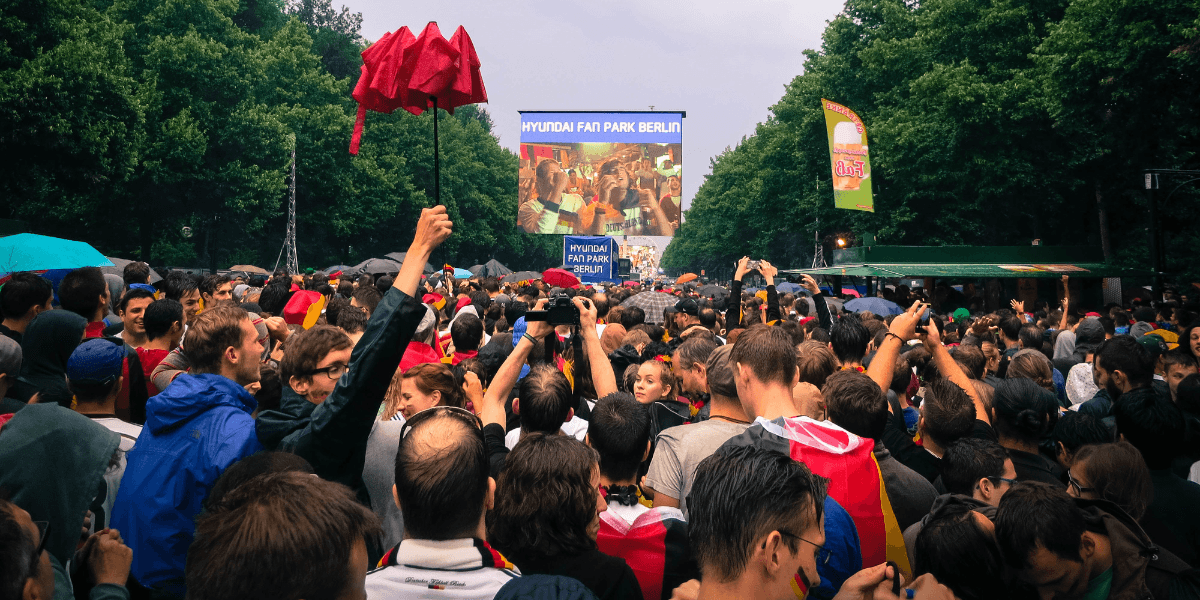
The FIFA World Cup 2026 reached another pivotal stage on June 22 as teams continued their pursuit of places in the tournament’s knockout rounds. With group standings becoming increasingly defined, every match carried greater importance, while host cities across the United States continued demonstrating the operational coordination required to support one of the largest sporting events ever held.
As fans from around the world gathered in stadiums, public viewing areas, restaurants, and entertainment districts, the tournament showcased more than world-class football. It highlighted how months and years of planning by local governments, businesses, transportation agencies, and community organizations have translated into a smoothly managed international event capable of welcoming millions of visitors.
For participating nations, June 22 represented another opportunity to secure valuable points before the decisive final group-stage matches. For host communities, it was another successful demonstration of collaboration, adaptability, and leadership under sustained demand.
Tournament Pressure Continues to Grow
By June 22, the dynamics of the group stage had shifted noticeably from the tournament’s opening week. Teams were no longer simply seeking positive starts. Instead, every tactical decision carried direct implications for qualification.
Some nations entered the day needing victories to remain in contention, while others sought to build on earlier successes and secure advancement before their final group fixtures. Coaches carefully managed player workloads, balanced offensive ambition with defensive discipline, and adjusted strategies according to evolving tournament scenarios.
Football analysts noted that this stage of the World Cup often separates teams capable of adapting under pressure from those that struggle with the heightened expectations.
“Momentum becomes increasingly valuable as the tournament progresses,” one tournament analyst observed during the day’s coverage. “Teams that remain disciplined and consistent often place themselves in stronger positions entering the knockout rounds.”
The atmosphere inside stadiums reflected those growing stakes. Every goal, save, and tactical adjustment drew passionate reactions from supporters who understood the significance of each result.
Operations Continue at Full Scale
While attention remained focused on the action inside stadiums, another impressive performance continued outside them.
Host cities once again coordinated transportation networks, security operations, healthcare services, volunteer programs, and public information systems to support large numbers of domestic and international visitors. Transit agencies expanded services around match schedules, while airport authorities managed another busy day of arrivals and departures linked to tournament travel.
Emergency management teams maintained close communication with event organizers to ensure public safety, while city officials continued monitoring crowd movement in fan zones and entertainment districts.
The consistency of these operations has become one of the defining characteristics of the tournament. Despite hosting matches across multiple metropolitan areas over several consecutive weeks, organizers have maintained reliable services that allow visitors to focus on enjoying the event.
Leadership experts frequently point to consistency as a hallmark of effective organizational performance. Rather than relying on extraordinary efforts during isolated moments, successful organizations establish systems capable of delivering dependable results every day.
Businesses Continue Capitalizing on International Tourism
June 22 also reinforced the tournament’s positive impact on local economies.
Hotels remained busy with traveling supporters, media organizations, tournament staff, and corporate visitors. Restaurants experienced strong demand before and after matches as fans gathered to celebrate victories or discuss tournament developments.
Retailers likewise benefited from increased foot traffic, with visitors purchasing local merchandise, souvenirs, and apparel representing both participating nations and host cities.
Many businesses reported that international guests were extending their stays beyond individual matchdays to explore nearby attractions, museums, cultural institutions, and surrounding communities. This broader tourism activity has helped distribute economic benefits beyond stadium neighborhoods.
Industry leaders have emphasized that preparation played an essential role in capturing these opportunities. Businesses that invested in additional staffing, multilingual customer service, and operational flexibility were often better positioned to meet elevated visitor demand throughout the tournament.
Volunteers Become the Face of the Tournament
Among the most visible contributors to the World Cup’s success have been thousands of volunteers serving throughout host cities.
Stationed at stadiums, transportation hubs, fan festivals, and visitor information centers, volunteers have welcomed guests, answered questions, provided directions, and assisted international travelers navigating unfamiliar cities.
Their work often represents visitors’ first personal interaction upon arriving at tournament venues, making them important ambassadors for both their communities and the event itself.
Event management professionals frequently emphasize that successful international events depend not only on infrastructure but also on people. Friendly, knowledgeable volunteers help create positive experiences that visitors remember long after the tournament concludes.
Their contributions also demonstrate how civic engagement strengthens large-scale initiatives by connecting local communities directly to global events.
Collaboration Defines Tournament Success
One of the strongest leadership lessons emerging from June 22 is the importance of collaboration across sectors.
The World Cup depends upon cooperation among municipal governments, transportation providers, law enforcement agencies, healthcare organizations, hospitality businesses, technology companies, nonprofit groups, and thousands of individual volunteers.
No single organization could successfully deliver an event of this scale independently.
Instead, leaders have established clear communication channels, shared responsibilities, and coordinated decision-making processes that allow diverse organizations to work toward common objectives while responding quickly to changing circumstances.
Business strategists increasingly view this collaborative approach as a model for addressing complex challenges beyond sports. Whether launching major infrastructure projects, responding to emergencies, or expanding into new markets, organizations often achieve stronger outcomes when partnerships replace isolated decision-making.
Looking Ahead to the Final Stretch
With several groups approaching their concluding matches, anticipation continues building across the tournament. Teams remain focused on securing advancement, supporters eagerly follow evolving standings, and organizers prepare for the increased attention that accompanies the knockout rounds.
For host cities, however, the mission remains unchanged: deliver safe, efficient, and memorable experiences for every visitor while demonstrating the capabilities of American communities on the global stage.
June 22 served as another reminder that the FIFA World Cup is far more than an international sporting competition. It is also a powerful example of leadership in action, showing how preparation, cooperation, and adaptability can transform an ambitious vision into a successful reality. As the tournament moves closer to its elimination rounds, those principles continue to shape every aspect of the event, both on and off the field.

Leadr Magazine Contributor
Ivan Petrosyan
Covers global markets and corporate finance, mapping the trends moving capital across borders.
This article features partner, contributor, or branded content from a third party. Members of the Leadr Magazine editorial staff were not involved in the creation of this content. All views and opinions are those of the contributor alone.
Related Posts
Irix Makes Written Language Easier To Understand From Operator to Owner: The Next Chapter of Bostyn Group
 Shabnum Bi Named Entrepreneur of the Year 2025