




 Vallejo Relief Center: Highway 80's Cultural Hub
Home»Business»Small Business Confidence Shows Signs of Improvement
Small Business Confidence Shows Signs of Improvement
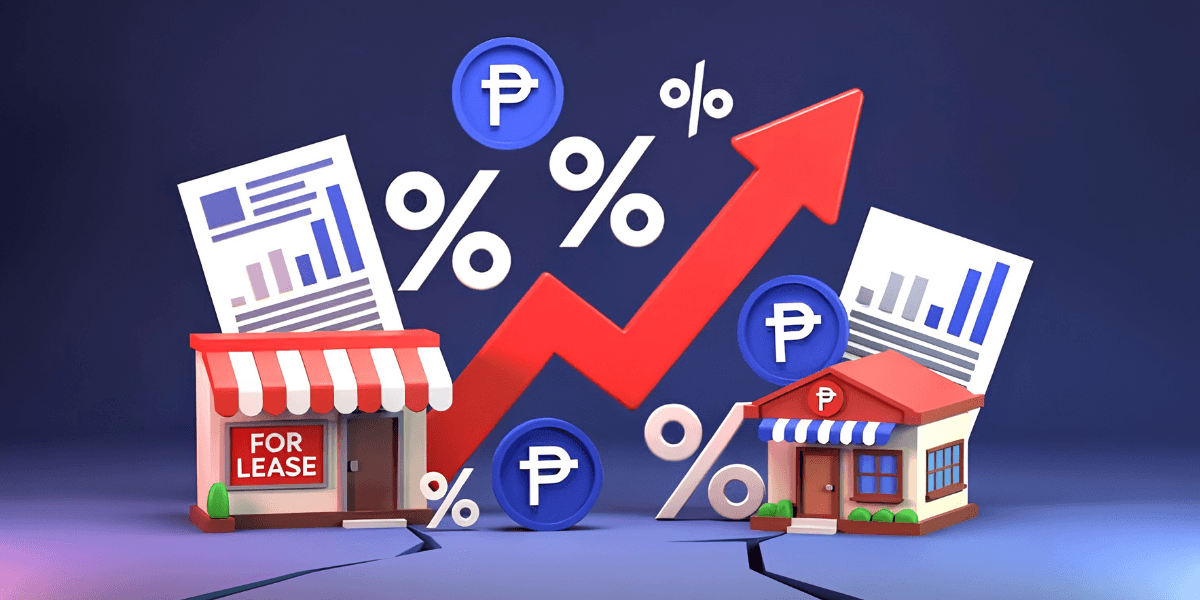
Small businesses showed renewed confidence in the U.S. economy as the latest National Federation of Independent Business survey pointed to improving expectations among owners and stronger prospects for hiring and expansion.
The NFIB Small Business Optimism Index was reported at 97.4 for the latest monthly reading, an increase of 2.1 points from the previous month. The improvement brought the index closer to its long-term average of 98, although it remained below that benchmark.
The result offered an important snapshot of how smaller companies were viewing sales, employment, investment and future business conditions.
Expectations Begin to Improve
Small businesses play an important role in the U.S. economy, making their confidence a useful indicator of conditions outside the largest corporations.
The NFIB index combines 10 measures covering areas such as employment plans, capital spending, inventory decisions, expectations for sales and economic conditions, credit expectations and earnings trends.
The latest improvement was therefore broader than a single measure of sentiment. It suggested that owners were seeing somewhat better conditions across several aspects of operating a company.
NFIB reported that expectations for improved business conditions and higher real sales were among the main contributors to the increase. At the same time, uncertainty eased somewhat, particularly around capital expenditure decisions.
Hiring Remains an Important Indicator
Employment plans remain one of the most closely watched components of small-business surveys because smaller employers account for a substantial share of job creation.
A stronger outlook can encourage businesses to expand payrolls, purchase equipment or increase inventories. Conversely, persistent uncertainty can lead owners to delay those decisions even when customer demand remains stable.
The latest survey therefore offered a mixed but somewhat more constructive picture. Confidence had improved, but the overall index remained below its historical average, indicating that many owners continued to operate cautiously.
Conditions Remain Uneven
The improvement in sentiment did not mean that small businesses had moved beyond their challenges.
Owners continue to face questions involving labor availability, operating costs, financing and consumer demand. Those pressures can affect smaller companies more sharply because many have less financial flexibility than large corporations.
The difference between confidence and actual expansion is consequently important. An owner may expect stronger sales without immediately adding employees or making a major capital investment.
That distinction makes the NFIB index useful as a measure of direction rather than a guarantee of future growth.
What the Reading Means for Business Strategy
For business leaders, the latest numbers point toward cautious improvement rather than a decisive economic turning point.
An improving outlook can create room for companies to reconsider hiring plans, inventory levels, equipment purchases and other investments. However, decisions remain dependent on each company's financial position and local demand.
The data also demonstrate the importance of monitoring multiple indicators rather than relying on a single measure of economic confidence. Sales expectations, hiring intentions, capital spending and credit conditions can move at different speeds.
For larger companies, the small-business reading provides another perspective on the health of the broader economy. For entrepreneurs, it offers a window into how other owners are assessing the operating environment.
A Cautious Signal
The latest NFIB reading ultimately pointed to a business environment that was improving in some respects but remained far from uniformly strong.
The index's movement toward its historical average suggested that confidence was recovering after a period of weakness. Yet its position below that benchmark indicated that uncertainty and operating pressures continued to influence decisions.
For U.S. businesses, the significance lies less in the numerical change alone than in what it reveals about decision-making. When owners become more confident about sales and economic conditions, hiring and investment can follow. Whether that confidence develops into sustained expansion will depend on how demand, labor conditions, costs and financing evolve in the months ahead.

Leadr Magazine Contributor
Abigail Rhodes
Covers entrepreneurship, innovation, and career development, sharing stories about ambitious professionals and growing businesses.
This article features partner, contributor, or branded content from a third party. Members of the Leadr Magazine editorial staff were not involved in the creation of this content. All views and opinions are those of the contributor alone.
Related Posts
Vallejo Relief Center: Highway 80's Cultural Hub Anthropic Reveals Massive AI Infrastructure Plans as It Moves Toward Landmark IPO
 Funko’s New CEO Pursues Turnaround as Collectibles Company Rebuilds Around Faster Product Development