


 Akamai and Anthropic Sign $11.6 Billion Cloud Agreement as AI Infrastructure Demand Accelerates
Home»Business»Funko’s New CEO Pursues Turnaround as Collectibles Company Rebuilds Ar…
Funko’s New CEO Pursues Turnaround as Collectibles Company Rebuilds Around Faster Product Development
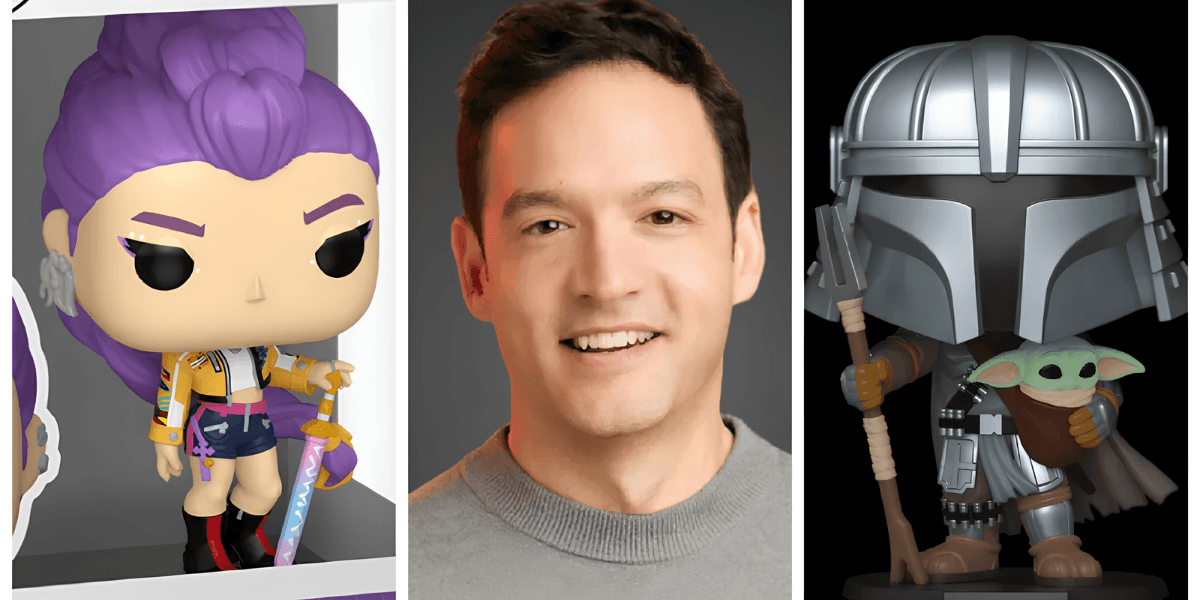
Funko is restructuring its operations and supply chain as CEO Josh Simon attempts to restore growth at the collectibles company.
Funko is pursuing a business turnaround under Chief Executive Officer Josh Simon after a difficult period that left the collectibles company facing losses, debt obligations and pressure from changing retail conditions.
Simon, a former Netflix consumer-products executive who became Funko's CEO in 2025, has been moving manufacturing away from China, accelerating product development and expanding the company's approach to licensing as the company attempts to rebuild its financial performance.
A Company Under Pressure
Funko has built a recognizable consumer brand through its Pop! collectible figures, which depict characters and personalities from entertainment, sports and popular culture.
The company experienced significant financial pressure before Simon's arrival.
Funko reported a $67.4 million loss on $908.2 million in sales during the previous year. The company also disclosed approximately $225 million in debt and warned investors about its ability to generate sufficient cash to meet its obligations.
The challenges were linked to several factors, including tariffs affecting Chinese manufacturing, canceled retail orders and loan-covenant concerns.
Simon's Strategic Approach
Simon took over the company at a point when Funko needed to address both operational and financial problems.
His strategy has focused partly on shortening the time required to bring products from concept to retail shelves.
That approach is particularly important in the collectibles market because consumer interest can change rapidly.
Entertainment franchises, television programs, music artists and sports personalities can become major cultural subjects in a short period. A company that takes too long to produce merchandise risks missing the period when consumer interest is strongest.
Funko has therefore been working to make its supply chain more responsive.
Moving Production Beyond China
One major part of the company's strategy involves diversifying manufacturing.
Funko has been shifting production away from China to Vietnam and other countries.
The change reflects both supply-chain considerations and the effect of tariffs on products manufactured in China.
Diversifying manufacturing can create additional costs and operational complexity, but it can also reduce dependence on a single production region.
For Funko, the strategy is part of a broader effort to improve cash flow and make the business more adaptable to changing trade conditions.
Speed Becomes a Competitive Tool
One of the clearest examples of the new approach involved Funko's production of figures based on Netflix's KPop Demon Hunters.
The company produced the figures in approximately four months, allowing Funko to reach the market ahead of larger competitors.
The speed is significant because licensed merchandise depends heavily on timing.
A product released while public interest is high has a different commercial opportunity from one that reaches stores after attention has moved elsewhere.
Funko is therefore attempting to turn production speed into a competitive advantage.
The Role of Fandom
The company's core business continues to depend on consumer enthusiasm for entertainment properties.
Funko's products include characters from films, television programs, video games, sports and other cultural franchises.
That creates both an opportunity and a challenge.
A broad licensing portfolio gives the company access to many audiences, but demand can fluctuate depending on the popularity of individual properties.
The company's strategy increasingly involves identifying cultural moments early enough to produce merchandise while interest remains strong.
Early Signs of Improvement
Funko's most recent quarterly results showed some improvement.
Second-quarter sales increased 7% to $207.7 million, while the company reported $15.4 million in net income compared with a $40.5 million loss during the comparable period.
However, the quarter included a $25.4 million benefit connected to expected tariff refunds. Without that benefit, Funko would have remained unprofitable for the period.
The figures therefore provide evidence of progress while also showing why the turnaround remains incomplete.
A Different Leadership Challenge
Simon is leading Funko through a period in which the company's challenges extend beyond product design.
The business must manage debt, manufacturing, retail relationships, licensing, inventory and consumer demand simultaneously.
That requires leadership decisions across multiple parts of the organization rather than a single product-focused strategy.
The company is also attempting to preserve the characteristics that made its products popular while changing the operational structure behind them.
The Broader Collectibles Market
Funko's experience reflects broader changes in the collectibles industry.
Adult consumers have become an increasingly important market for toys and collectibles, while entertainment franchises can create rapid spikes in demand.
Companies competing in the sector must therefore balance long-term brand development with the ability to respond quickly to cultural trends.
Funko's turnaround strategy is built around that tension.
A Turnaround Still Underway
Funko has made measurable changes under Simon, including supply-chain diversification, faster product development and efforts to improve cash flow.
The company has also recorded stronger recent quarterly results, although the figures include factors that make the improvement difficult to evaluate in isolation.
The turnaround therefore remains a developing business story.
Funko's ability to restore sustained profitability will depend on whether its operational changes can translate into durable sales growth while controlling costs and maintaining the brand's appeal among collectors.

Leadr Magazine Contributor
Abigail Rhodes
Covers entrepreneurship, innovation, and career development, sharing stories about ambitious professionals and growing businesses.
This article features partner, contributor, or branded content from a third party. Members of the Leadr Magazine editorial staff were not involved in the creation of this content. All views and opinions are those of the contributor alone.
Related Posts
Akamai and Anthropic Sign $11.6 Billion Cloud Agreement as AI Infrastructure Demand Accelerates RemoteLO Builds A Remote Infrastructure For Modern Loan Officers
 Snorkel AI Raises $350 Million as Demand for Advanced Training Data Accelerates