




 Emotional Teen: Best Teen Emotional Wellness Platform in the United States of 2026
Home»Leadership»David Wortley Brings AI Warning To Oxford World Leaders
David Wortley Brings AI Warning To Oxford World Leaders

David Wortley challenges leaders to examine how human choices, rather than technology alone, will shape AI’s impact on humanity.
Seven minutes can sound brief for a message about the future of humanity. For technology futurist David Wortley, it was enough time to revisit a warning he first explored more than a decade ago and place it before an international audience at the World Leaders Summit at the University of Oxford.
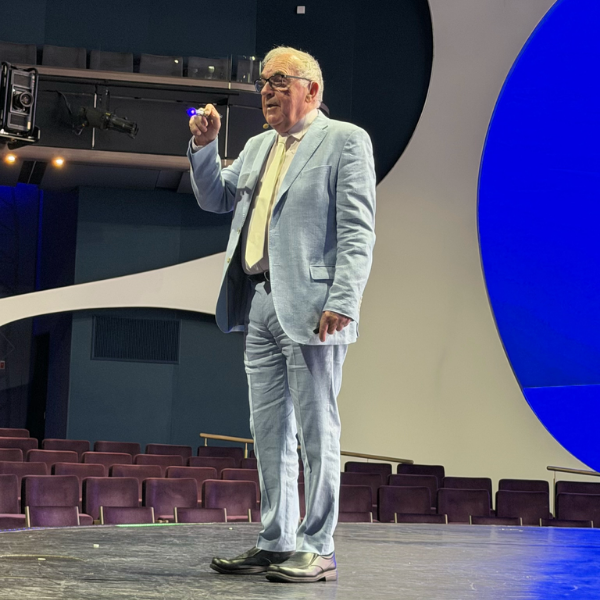
On September 17, 2026, Wortley delivered a keynote at the World Leaders Summit at Oxford, drawing directly from the ideas explored in his book, Gadgets to God. The summit’s official website confirms the event was held at the University of Oxford and brought together leaders, diplomats, entrepreneurs, educators, and institutional figures from around the world.
For Wortley, the central question is not whether artificial intelligence should exist. It is how people choose to use a technology with unprecedented capabilities. His perspective has developed through decades spent examining the relationship between technology and human potential, from immersive technology and serious games to digital health, emerging technologies, and artificial intelligence.
A Warning First Written Before The AI Boom
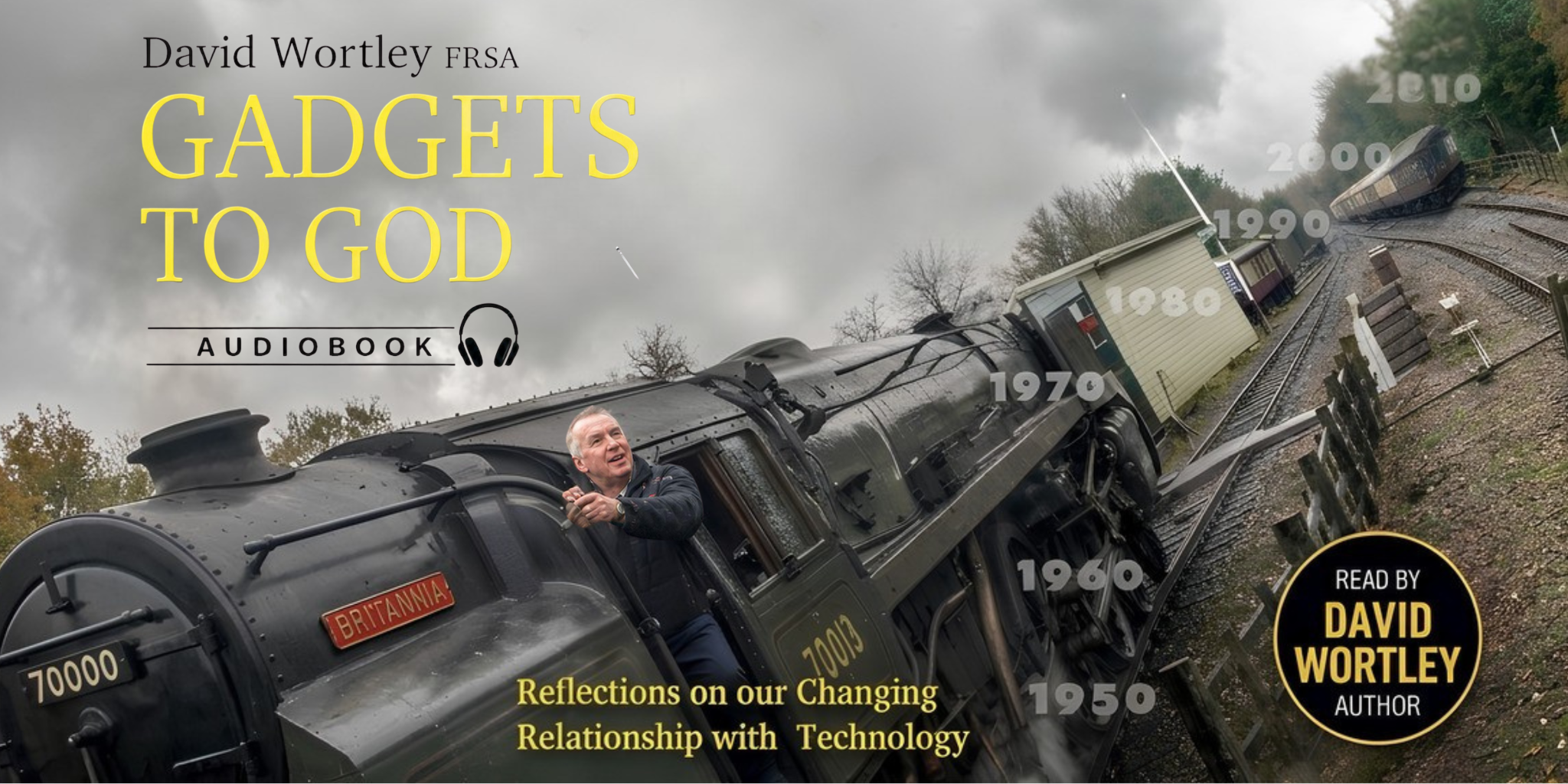
The ideas behind Wortley’s Oxford keynote reach back to Gadgets to God, a book originally published in 2012. The work examines the changing relationship between people and technology and considers what happens when increasingly sophisticated machines move from being tools operated by humans toward systems that increasingly influence human behavior.
The book has since been republished and released as an audiobook, with current listings describing it as an autobiographical account of more than five decades of technological change.
That history gives Wortley’s perspective a distinctive foundation. He is not approaching artificial intelligence solely as a recent development. Instead, he views AI as the latest stage in a much longer technological transformation that has changed communication, commerce, education, entertainment, health, and everyday life.
His Oxford presentation brought that historical perspective into the present. By reading from the original work, Wortley invited listeners to consider how questions raised years ago now intersect with the rapid development of artificial intelligence.
His argument is deliberately focused on human responsibility. In his view, the greatest concern is not technology acting independently of people, but people using increasingly powerful systems without sufficient consideration of their consequences.
Seeing AI Through A Different Lens
Wortley describes his approach as different from conventional technology futurism because he considers AI through several connected dimensions.
One is the extraordinary scale of AI as a communications technology. Another is its ability to amplify human capabilities. A third is its capacity to interact with people in ways that can reinforce existing beliefs, assumptions, and prejudices.
This perspective leads him away from treating AI as either entirely beneficial or inherently dangerous. Instead, he considers it a powerful instrument whose consequences depend heavily on human decisions.
That distinction is central to his philosophy. Technology, in Wortley’s view, should enhance human possibility without diminishing human agency. His personal website describes his work as being focused on the relationship between technology, humanity, and the future, while his speaking work connects technological change with human experience.
The same philosophy can be seen across his wider career. Wortley has worked with immersive technologies, serious games, virtual environments, digital health, and other emerging technologies. His published work on immersive technology also dates back more than a decade, reflecting a long standing interest in how new technological capabilities can affect organizations and society.
From Gadgets To Artificial Intelligence
The title Gadgets to God captures the scale of the journey Wortley has spent years documenting. The book traces technological change through lived experience and considers how humanity has moved from using machines as tools toward a relationship in which machines can increasingly influence the people using them.
That theme has gained renewed relevance as AI systems become more capable and widely accessible.
For Wortley, the conversation therefore needs to move beyond the capabilities of individual systems. The larger issue is the environment in which those systems are developed and used. Businesses, governments, educators, technology companies, and individuals all participate in determining what AI becomes in practice.
His message at Oxford was consequently framed around human agency. The technology can expand what people are able to accomplish, but the same capability can also be used irresponsibly. The responsibility for that direction remains with people.
That approach also explains why Wortley resists simplistic descriptions of AI as either a savior or an enemy. He sees it as a powerful extension of human capability, making the quality of human decisions increasingly important.
A Seven Minute Message At A Global Summit
The setting added another layer to the presentation. The World Leaders Summit describes itself as a global conference and awards event held at the University of Oxford, with participants including diplomats, Members of Parliament, entrepreneurs, educators, and institutional leaders.
Wortley’s participation was announced publicly ahead of the event, with the event announcement identifying him as a co keynote speaker and describing his presentation as an examination of technology’s impact on humanity.
His appearance also reflects a broader chapter in his career. Rather than presenting technology as an isolated technical subject, Wortley consistently connects innovation with the human stories surrounding it.
That approach gives his message a personal quality. He has witnessed several generations of technological change and has built his professional life around understanding what those changes mean for ordinary people and organizations.
The result is a message that asks audiences to look beyond the excitement surrounding new tools. AI may be capable of extraordinary things, but the more important question is what people decide those capabilities should accomplish.
Keeping Human Potential At The Center
David Wortley’s work through 360in360 Living Memories continues that broader philosophy of connecting technology with human experience. His brand reflects an interest in preserving memories, telling stories, and using emerging technologies to create meaningful experiences.
His wider body of work suggests a consistent theme: technological progress has the greatest value when it serves human potential.
That philosophy now places artificial intelligence at the center of a much larger conversation. As AI becomes increasingly embedded in communication, work, education, entertainment, and decision making, the relationship between people and technology becomes more significant than the technology itself.
Wortley’s Oxford keynote brought that message into a room filled with people engaged in leadership and institutional decision making. The seven minute presentation was brief, but its subject was expansive: how humanity can navigate a technological transformation without losing sight of what makes human life valuable.
For Wortley, that means keeping people at the center of the conversation.
Explore David Wortley’s Work On Technology And Humanity
Explore the book, listen to the audiobook, or invite him to speak for a conversation that helps people see machines differently and, more importantly, see themselves with greater clarity. Connect with David through his website, on LinkedIn, explore Gadgets to God, and follow him on Instagram and Facebook.

Leadr Magazine Contributor
Ashley Franklin
Covers entrepreneurship, branding, leadership, and emerging companies.
This article features partner, contributor, or branded content from a third party. Members of the Leadr Magazine editorial staff were not involved in the creation of this content. All views and opinions are those of the contributor alone.
Related Posts
Emotional Teen: Best Teen Emotional Wellness Platform in the United States of 2026 Why Certified OBMs® Are Becoming the Business World's Most Valuable Strategic Partners
 Akamai and Anthropic Sign $11.6 Billion Cloud Agreement as AI Infrastructure Demand Accelerates