


 Building Trust Before Sales: The Philosophy Behind Trab Health
Home»Leadership»NVIDIA Reinstates Jensen Huang as CEO Following Board Review and Gover…
NVIDIA Reinstates Jensen Huang as CEO Following Board Review and Government Consultations
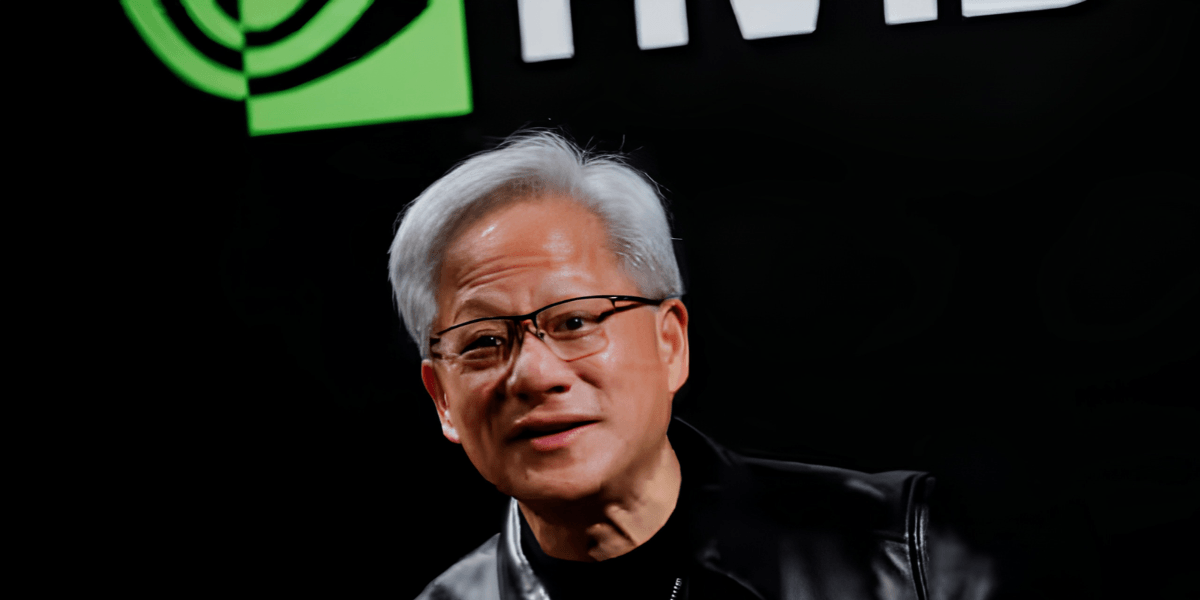
Jensen Huang returns to NVIDIA's leadership after a unanimous board decision, with investigations and new compliance measures continuing.
NVIDIA has reinstated Jensen Huang as its president and chief executive officer following a unanimous decision by the company's board of directors, reversing a leadership transition that had placed Chief Financial Officer Colette Kress in the interim role. The decision restores one of the technology industry's most influential executives to the leadership of a company central to the global artificial intelligence infrastructure market.
The announcement was made by NVIDIA on November 23, following discussions between Huang and directors. The board said it had reviewed his candor and ability to lead and received input from senior levels of the United States government before concluding that his reinstatement did not pose a national security risk.
The decision also establishes a new phase of corporate oversight for NVIDIA, as independent investigations, export-control reviews, and compliance initiatives continue.
A Rapid Reversal in Corporate Leadership
Huang's return followed an abrupt leadership change earlier in November. NVIDIA had announced his resignation as president, chief executive officer, and board member, appointing Kress as interim chief executive while beginning a search for a permanent successor.
The board subsequently reconsidered the transition after discussions with Huang. Its November 23 announcement confirmed that he would immediately resume the CEO and board director positions.
Board Chair Harvey C. Jones said the directors believed Huang was the appropriate person to lead the company and that his reinstatement served the interests of shareholders, employees, partners, and customers.
Kress was recognized for her service as interim CEO and will continue as executive vice president and chief financial officer.
The sequence illustrates how quickly leadership decisions can change when a company faces questions involving executive conduct, national security, investor confidence, and strategic continuity.
Governance Questions Remain Central
Although the board restored Huang to the company's top executive position, it confirmed that an independent committee's investigation would continue.
The committee consists solely of independent directors and has retained outside legal counsel. Huang has stated that he supports the investigation and will cooperate with its work.
NVIDIA also announced the formation of a separate National Security and Export Control Committee. This committee is intended to oversee trade-compliance matters and national security risks associated with the company's operations.
The company is engaging specialist legal counsel, which will retain advisers with relevant national security expertise.
Additionally, NVIDIA has begun searching for a chief compliance officer who will oversee compliance across the organization and report to the board's Nominating and Corporate Governance Committee.
These measures indicate that the board is treating governance and regulatory oversight as continuing responsibilities rather than issues resolved solely through the CEO's reinstatement.
For a company operating across international markets, the distinction is significant. NVIDIA's products are used in artificial intelligence development, cloud computing, scientific research, enterprise systems, and advanced data centers. Its commercial relationships and technology exports are therefore subject to substantial regulatory and geopolitical scrutiny.
Strategic Importance of Leadership Continuity
NVIDIA occupies a central position in the artificial intelligence industry through its graphics processing units, accelerated computing platforms, networking products, and software ecosystem.
Its technology supports the infrastructure used by cloud providers, research institutions, technology companies, and businesses developing AI applications.
Leadership continuity can be particularly important in an industry where demand for computing capacity, manufacturing commitments, software development, and customer partnerships requires long-term coordination.
Huang has led NVIDIA through its evolution from a graphics-focused semiconductor company into a major supplier of accelerated computing infrastructure.
His return provides continuity in executive leadership during a period when businesses and governments are making substantial decisions about artificial intelligence investment and technological competitiveness.
However, continuity does not remove the need for independent oversight. The board's decision to establish additional committees and pursue a dedicated compliance executive demonstrates the importance of maintaining governance structures alongside executive authority.
Market Reaction and Investor Considerations
The reinstatement attracted considerable attention from financial markets. Reuters reported that NVIDIA shares rose sharply following the announcement, reflecting renewed expectations surrounding the company's leadership and the broader artificial intelligence sector.
The market reaction demonstrates how executive decisions at major technology companies can influence investor sentiment beyond the organization itself.
NVIDIA's financial performance and strategic direction are closely watched because its products are integral to the expansion of AI infrastructure. Changes in its leadership can therefore affect expectations among suppliers, customers, competitors, and institutional investors.
Nevertheless, share-price movements do not establish whether the board's decision will ultimately strengthen corporate performance. The continuing investigation and the implementation of additional compliance controls remain important developments to monitor.
Implications for Corporate Leadership
The episode highlights several issues facing boards of directors at major technology companies.
First, executive succession decisions can have immediate consequences for organizational stability, particularly when a company operates in a strategically important industry.
Second, board independence and transparent decision-making become especially important when leadership matters intersect with government involvement and national security considerations.
Third, compliance responsibilities increasingly require dedicated oversight as technology companies expand internationally and operate under complex export restrictions.
NVIDIA's decision to reinstate Huang while retaining its investigations reflects an attempt to balance leadership continuity with institutional accountability.
The company has stated that it will continue cooperating with government investigations and inquiries. Its board committees and compliance initiatives will remain important components of that process.
A Continuing Test of Corporate Governance
Huang's return resolves the immediate question of who will lead NVIDIA, but it does not conclude the broader governance issues surrounding the leadership transition.
The independent investigation remains active, the national security committee is beginning its work, and the search for a chief compliance officer is underway.
For corporate leaders across the technology industry, the situation illustrates the increasingly interconnected nature of executive accountability, government oversight, international business, and strategic decision-making.
NVIDIA's next phase will involve demonstrating that leadership continuity can coexist with credible oversight and effective compliance. The company's ability to maintain that balance will be important not only to its own stakeholders but also to the wider technology sector that depends on its products and infrastructure.

Leadr Magazine Contributor
Ashley Franklin
Covers entrepreneurship, branding, leadership, and emerging companies.
This article features partner, contributor, or branded content from a third party. Members of the Leadr Magazine editorial staff were not involved in the creation of this content. All views and opinions are those of the contributor alone.
Related Posts
Building Trust Before Sales: The Philosophy Behind Trab Health EKOE: Best Enterprise Intelligence Solution in the United States of 2026
 Wall Street Correction Deepens as AI Investment Concerns Trigger Sharp Technology Stock Selloff
More from Leadership
- Building Trust Before Sales: The Philosophy Behind Trab Health
- The Cultural Architect: How Fire Chief Walt W. White Is Redefining Leadership Through Organizational Culture
- The Consultation Club Leads In Ten Minutes
- How Samka Keranovic Brings Leadership Experience to Desert Roots Wellness
- Menopause Is Not the End. It Is an Initiation.
- The Evolution of Leadership in 2024: Key Trends Transforming the Future of Business
- Shaping the Future of Leadership: Key Trends Driving Change in 2024
- The Future of Leadership: Key Trends and Insights Shaping 2024 and Beyond
- Redefining Global Leadership: Key Takeaways from the 2024 World Economic Forum
- Breaking Barriers: The 2024 Women’s Leadership Summit and Its Impact on Business Leadership