




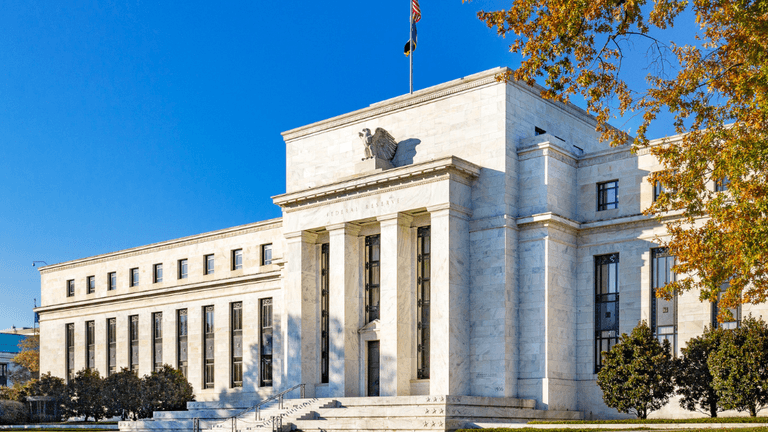
 Federal Reserve Survey Shows Higher Median Family Income Alongside Rising Debt-Payment Pressure
Home»Finance»US Financial Market Struggles to Find Direction Amid Economic Jitters
US Financial Market Struggles to Find Direction Amid Economic Jitters

US Financial Market Struggles to Find Direction Amid Economic Jitters
The U.S. financial markets faced turbulence as they navigated through a challenging economic environment in early May, with investors grappling with rising concerns about inflation, tightening monetary policy, and global uncertainties. Stock markets were largely flat or slightly negative, reflecting investor unease over the mixed economic signals emerging from various sectors.
On May 7, the S&P 500 index dropped by 0.4%, while the Nasdaq Composite slipped 0.3%, dragged down by underperformance in tech and consumer discretionary sectors. Meanwhile, the Dow Jones Industrial Average managed to edge up by 0.2%, buoyed by gains in healthcare and energy stocks. However, the overall mood in the market remained subdued, with investors remaining cautious as they await further economic indicators.
The ongoing pressure from inflation continues to be a key concern for investors, despite the Federal Reserve’s aggressive interest rate hikes in the past year. The consumer price index (CPI) report scheduled for later this month is expected to provide further insight into whether inflationary pressures have started to ease or if additional tightening will be necessary. Market participants are also anxiously waiting for the latest employment data to assess the state of the labor market.
In the bond market, U.S. Treasury yields remained elevated, signaling that investors are still wary about the potential for prolonged higher interest rates. The yield on the 10-year Treasury note held steady just above 4%, as fears persist over the Fed’s next steps in combating inflation. Higher yields have led to an increased cost of borrowing, adding further pressure on businesses and consumers.
At the same time, geopolitical issues have added a layer of complexity to the market outlook. The ongoing conflict in Ukraine and tensions between the U.S. and China continue to disrupt global supply chains and weigh on investor confidence. These concerns have further complicated the outlook for global growth, particularly in emerging markets that are sensitive to disruptions in trade and capital flows.
The real estate market has also begun to show signs of strain as mortgage rates remain high, cooling the once-booming housing market. Home prices, which had surged in recent years, have started to plateau in many parts of the country. With affordability challenges and limited inventory, potential homebuyers are becoming increasingly reluctant to enter the market. Housing affordability remains a significant issue, especially as interest rates continue to climb, making it more difficult for buyers to secure financing.
Consumer sentiment remains fragile, as inflationary pressures have eroded purchasing power, and debt levels continue to rise. Many households are feeling the impact of higher costs of living, and confidence in the broader economy has declined. This could lead to a slowdown in consumer spending, which is a crucial driver of economic growth in the U.S.
Looking ahead, market participants are closely watching the next Federal Reserve meeting, scheduled for mid-June, to see whether policymakers will take a more dovish approach to interest rates or maintain their current stance. With economic growth showing signs of deceleration, the path forward for the U.S. economy remains uncertain, leaving investors with little clarity on what to expect in the coming months.

Leadr Magazine Contributor
Ivan Petrosyan
Covers global markets and corporate finance, mapping the trends moving capital across borders.
This article features partner, contributor, or branded content from a third party. Members of the Leadr Magazine editorial staff were not involved in the creation of this content. All views and opinions are those of the contributor alone.
Related Posts
Federal Reserve Survey Shows Higher Median Family Income Alongside Rising Debt-Payment Pressure Brad Sugars: Transforming Entrepreneurship Through Proven Systems, Business Growth, and Financial Freedom
 How Samka Keranovic Brings Leadership Experience to Desert Roots Wellness