



 Vallejo Relief Center: Highway 80's Cultural Hub
Home»Business»U.S. Travel and Hospitality Sector Sees Strong Mid-Tournament Demand a…
U.S. Travel and Hospitality Sector Sees Strong Mid-Tournament Demand as Summer Tourism Accelerates
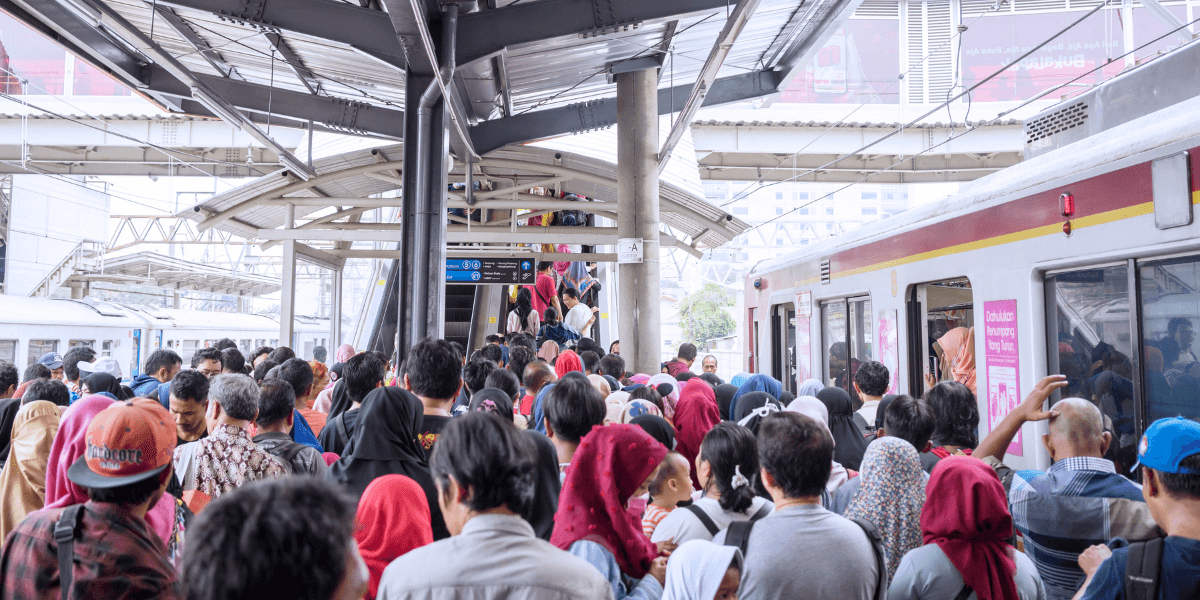
The convergence of the FIFA World Cup 2026 and the traditional summer travel season continued to fuel strong activity across the United States on June 23, providing a significant boost for the country’s travel, hospitality, and tourism industries. As visitors moved between host cities and vacation destinations, businesses ranging from hotels and airlines to restaurants and entertainment venues reported sustained demand driven by one of the busiest travel periods of the year.
While football remained the centerpiece for millions of fans, economists and industry leaders increasingly pointed to the broader business story unfolding behind the tournament. The event has become a real-world demonstration of how major international gatherings can stimulate local economies, support small businesses, and showcase American destinations to a global audience.
June 23 illustrated that impact as hotels welcomed guests extending their stays beyond matchdays, airports managed another wave of domestic and international travelers, and downtown business districts experienced steady foot traffic throughout the day.
Tourism Benefits Extend Beyond Stadium Districts
One of the defining characteristics of this year’s tournament has been the way visitor spending has spread throughout host communities rather than remaining concentrated around stadiums.
Travelers attending World Cup matches have also visited museums, beaches, shopping centers, historic neighborhoods, national parks, and local cultural attractions. Many have planned multi-city itineraries, combining tournament fixtures with traditional vacations across the United States.
Tourism officials have long viewed large sporting events as opportunities to introduce international travelers to destinations they may later revisit for business or leisure. June 23 offered further evidence of that trend as visitor activity remained strong across transportation hubs, hotels, and entertainment districts.
Local tourism organizations continued organizing cultural festivals, neighborhood events, and public viewing experiences designed to encourage guests to explore beyond official tournament venues.
Hotels Adapt to Changing Visitor Patterns
The hospitality industry has played a central role throughout the tournament, with hotel operators balancing fluctuating occupancy levels as supporters move between host cities.
Unlike traditional conventions or single-location sporting events, the World Cup creates highly dynamic booking patterns. Some visitors travel for one match before departing, while others remain in the country for several weeks, following their national teams or exploring additional destinations.
Hotel managers have responded by increasing staffing levels, expanding concierge services, and offering multilingual assistance for international guests.
Industry analysts note that operational flexibility has become a competitive advantage during the tournament. Properties capable of responding quickly to changing reservation trends have been better positioned to maximize occupancy while maintaining service quality.
Many hotels have also partnered with local businesses to recommend restaurants, attractions, and transportation options, helping distribute economic benefits throughout surrounding communities.
Airlines and Transportation Providers Manage Elevated Demand
Air travel remained a major focus on June 23 as visitors continued moving between tournament venues across North America.
Airlines adjusted schedules where possible to accommodate increased passenger volumes, while airport operators coordinated closely with federal agencies to maintain efficient passenger processing. Rental car companies, rideshare services, regional rail providers, and public transit systems likewise continued supporting elevated travel demand.
Transportation experts have emphasized that reliability remains just as important as capacity during major international events. Visitors often operate on tight schedules built around match kickoff times, making dependable transportation essential to the overall tournament experience.
The successful movement of millions of travelers has required close cooperation among public agencies, private companies, and local governments throughout the competition.
Small Businesses Capture New Opportunities
Although global hotel chains and airlines often receive significant attention during international events, June 23 highlighted the important role of small businesses in shaping visitor experiences.
Independent restaurants introduced menu items inspired by participating nations. Coffee shops welcomed supporters gathering before matches. Retail stores expanded selections of locally made products, while tour operators offered experiences tailored to international visitors seeking to learn more about American communities.
For many entrepreneurs, the World Cup has become an opportunity not only to increase sales but also to establish lasting relationships with customers from around the world.
Business development organizations have encouraged companies to view the tournament as an investment in future growth rather than a short-term sales opportunity. Positive visitor experiences today may influence future travel decisions, online reviews, and international business connections for years to come.
Leadership During Sustained Growth
Business leaders say one of the most valuable lessons from June 23 has been the importance of balancing growth with operational discipline.
Periods of unusually high demand can create pressure on staffing, inventory, customer service, and supply chains. Organizations that prepared well in advance have generally been better equipped to maintain consistent service while accommodating larger customer volumes.
Leadership specialists often describe this balance as scalable execution—the ability to grow operations without compromising quality.
Many businesses achieved this through workforce training, digital reservation systems, stronger supplier relationships, and regular communication with employees. These investments have allowed organizations to remain agile as customer demand evolves throughout the tournament.
The experience reinforces a broader business principle: sustainable growth depends on preparation as much as opportunity.
Long-Term Value Beyond the Tournament
Although attention remains focused on daily matches, industry observers increasingly emphasize the long-term legacy of the World Cup for American tourism.
International media coverage has introduced audiences worldwide to host cities and regional attractions, while visitors have experienced firsthand the country’s hospitality, transportation networks, and cultural diversity. These impressions may influence future tourism, conventions, educational exchanges, and commercial partnerships.
Businesses are also gaining experience managing global customer bases, strengthening capabilities that can remain valuable long after the tournament concludes.
June 23 demonstrated that the FIFA World Cup’s business impact extends well beyond ticket sales and sporting competition. It has become a catalyst for innovation, collaboration, and economic activity across multiple industries, illustrating how major international events can generate opportunities for organizations of every size.
As the tournament progresses toward the knockout stage, American businesses continue proving that preparation, adaptability, and customer-focused leadership remain essential ingredients for success in an increasingly connected global economy.

Leadr Magazine Contributor
Abigail Rhodes
Covers entrepreneurship, innovation, and career development, sharing stories about ambitious professionals and growing businesses.
This article features partner, contributor, or branded content from a third party. Members of the Leadr Magazine editorial staff were not involved in the creation of this content. All views and opinions are those of the contributor alone.
Related Posts
Vallejo Relief Center: Highway 80's Cultural Hub Anthropic Reveals Massive AI Infrastructure Plans as It Moves Toward Landmark IPO
 Funko’s New CEO Pursues Turnaround as Collectibles Company Rebuilds Around Faster Product Development