




 From Operator to Owner: The Next Chapter of Bostyn Group
Home»Strategy»U.S. Tariffs Under Trump Administration Disrupt Global Trade and Econo…
U.S. Tariffs Under Trump Administration Disrupt Global Trade and Economic Growth
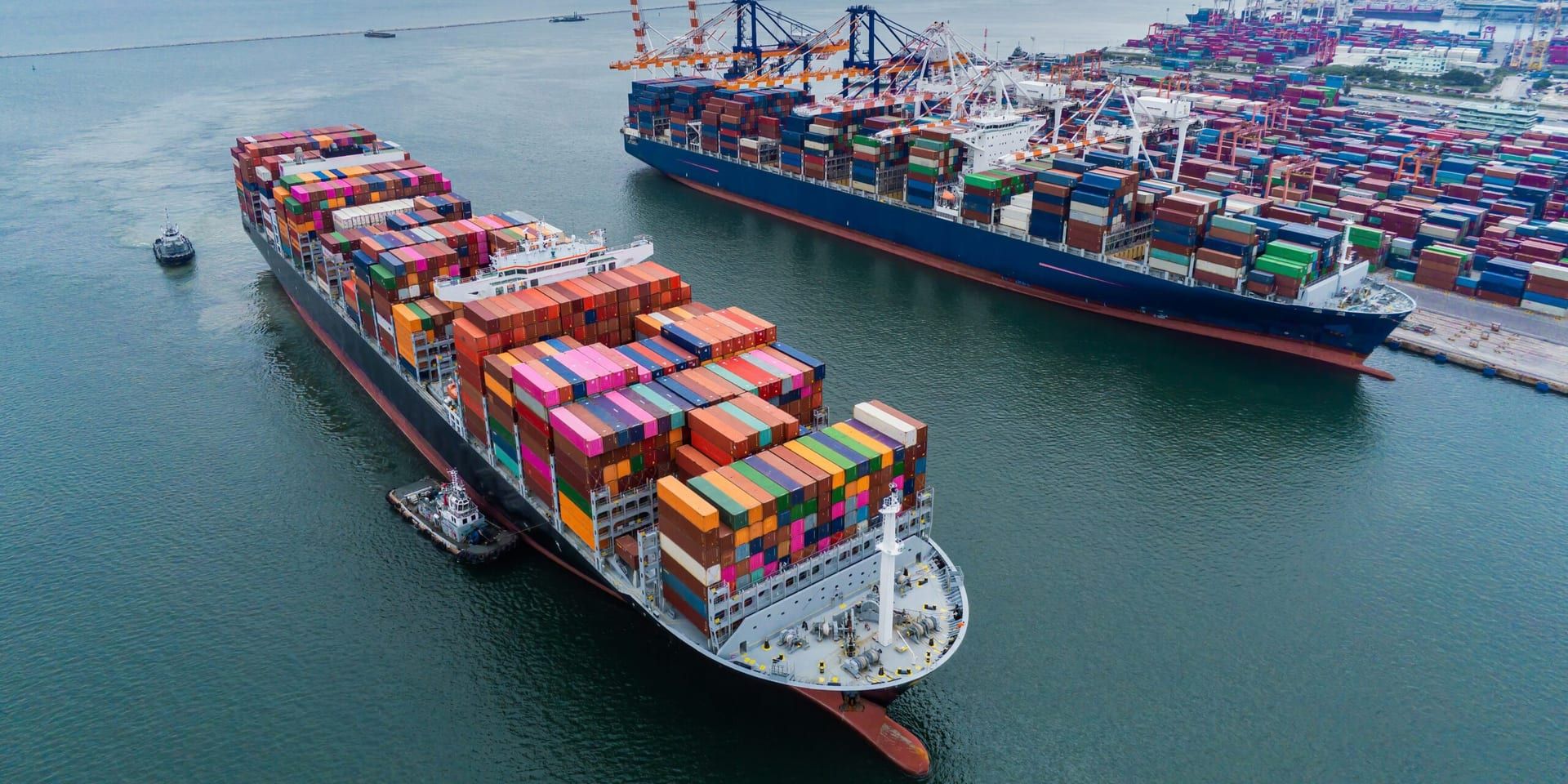
The global economic landscape is facing significant turbulence as a result of the United States’ recent tariff policies under President Donald Trump. These measures have not only strained international trade relations but also prompted warnings from global financial institutions about the potential long-term impacts on economic growth and stability.
Bank of England Raises Concerns Over Trade Fragmentation
Andrew Bailey, Governor of the Bank of England, has expressed deep concerns regarding the U.S.’s unilateral tariff actions. He emphasized that these policies have severely disrupted the post-World War II rules-based global trade system, leading to fragmentation that could have lasting adverse effects on global economic growth. Bailey highlighted the unpredictability introduced by these tariffs, noting that such uncertainty complicates monetary policy decisions and could hinder investment and economic activity worldwide.
OECD Downgrades Global Economic Forecasts
The Organization for Economic Cooperation and Development (OECD) has revised its global economic growth forecasts downward, citing the impact of escalating trade tensions and tariffs. The OECD now projects global GDP growth to slow to 2.9% in both 2025 and 2026, a significant decline from previous estimates. The U.S. economy is expected to grow by only 1.6% in 2025 and 1.5% in 2026, reflecting the dampening effects of higher import costs and reduced investment due to policy uncertainty.
“Liberation Day” Tariffs and Global Repercussions
On April 2, 2025, President Trump announced a series of sweeping tariffs, dubbed the “Liberation Day” tariffs, aiming to rectify what he described as decades of unfair trade practices. These measures included a 10% tariff on all imports, with higher rates on specific goods, leading to an average effective tariff rate of 15.1% by June 2025—the highest since 1938. The announcement triggered immediate reactions from global markets and trade partners, with countries like China imposing retaliatory tariffs and export restrictions, further exacerbating trade tensions.
Inflationary Pressures and Monetary Policy Challenges
The European Central Bank (ECB) has also voiced concerns about the inflationary pressures stemming from the U.S. tariffs. ECB policymaker Isabel Schnabel warned that these trade barriers could lead to increased production costs and supply disruptions, potentially reigniting inflation in the eurozone. Such developments complicate the ECB’s efforts to maintain price stability and could influence future monetary policy decisions.
Calls for Multilateral Cooperation
In light of the escalating trade disputes, both the Bank of England and the OECD have underscored the importance of multilateral cooperation to address global trade imbalances and restore stability. Bailey emphasized the need for a sustainable world trading system that can effectively manage persistent imbalances, suggesting that unilateral actions like tariffs may not be the optimal solution. The OECD echoed this sentiment, advocating for constructive dialogue among nations to resolve trade tensions and mitigate further economic risks.
As the global economy navigates these challenges, the emphasis remains on fostering international collaboration to rebuild a resilient and equitable trade framework that supports sustained economic growth.

Leadr Magazine Contributor
Abigail Rhodes
Covers entrepreneurship, innovation, and career development, sharing stories about ambitious professionals and growing businesses.
This article features partner, contributor, or branded content from a third party. Members of the Leadr Magazine editorial staff were not involved in the creation of this content. All views and opinions are those of the contributor alone.
Related Posts
From Operator to Owner: The Next Chapter of Bostyn Group Faciem Valorem Corporation Builds Beyond Earth
 Menopause Is Not the End. It Is an Initiation.