




 Vallejo Relief Center: Highway 80's Cultural Hub
Home»Business»Major U.S. Port Expansion Signals New Era for Supply Chain Efficiency
Major U.S. Port Expansion Signals New Era for Supply Chain Efficiency
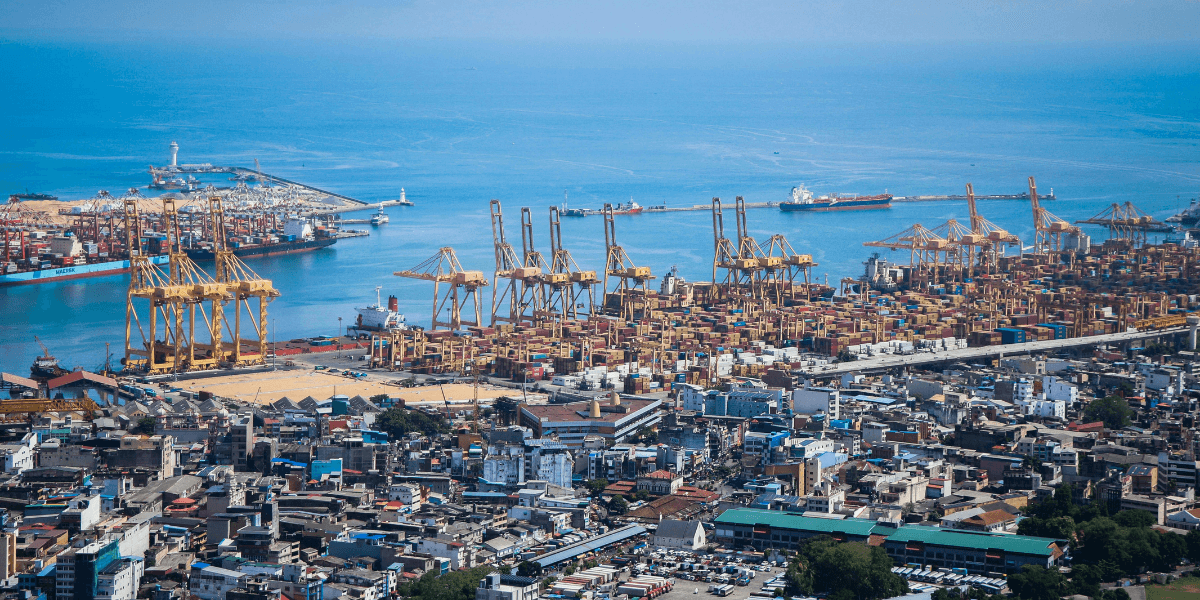
A significant milestone in U.S. infrastructure and logistics was reached on May 5, 2026, as officials announced the completion of a major expansion project at the Port of Savannah in Georgia, one of the fastest-growing container ports in the United States. The development is expected to strengthen supply chain resilience, enhance global trade capacity, and provide long-term economic benefits for businesses across the country.
The expansion includes the addition of new deepwater berths, upgraded container handling equipment, and expanded rail connectivity designed to accelerate cargo movement from ships to inland distribution networks. According to the Georgia Ports Authority, the project increases the port’s annual container capacity by several million twenty-foot equivalent units (TEUs), positioning it among the most capable logistics hubs in North America.
Port officials stated that the expansion was completed ahead of schedule, following years of coordinated investment between state authorities, federal infrastructure programs, and private-sector partners. The initiative reflects a broader national push to modernize transportation systems and reduce bottlenecks that have impacted supply chains in recent years.
The Port of Savannah plays a critical role in the movement of goods ranging from consumer products and electronics to agricultural exports. With global shipping demand continuing to evolve, the need for efficient and scalable port operations has become increasingly important. Industry analysts note that congestion at major ports during previous years exposed vulnerabilities in logistics networks, prompting both public and private stakeholders to prioritize infrastructure improvements.
The upgraded port features enhanced automation systems that streamline cargo handling and reduce turnaround times for vessels. These systems allow for more precise scheduling and coordination, minimizing delays and improving overall efficiency. In addition, expanded on-dock rail facilities enable faster transfer of goods to trains, reducing reliance on trucking and supporting more sustainable freight movement.
From a leadership and business strategy perspective, the completion of this expansion highlights the importance of long-term planning and cross-sector collaboration. Executives involved in the project emphasized that aligning public investment with private innovation was key to delivering results at scale. The project also demonstrates how infrastructure can serve as a competitive advantage, enabling companies to respond more effectively to shifting market demands.
The economic implications are substantial. Increased port capacity is expected to support job creation not only within port operations but also across related industries such as manufacturing, warehousing, and transportation. Regional business leaders anticipate that improved logistics capabilities will attract new investment, particularly from companies seeking reliable distribution channels in the southeastern United States.
Supply chain experts have pointed out that diversification of port access is a crucial strategy for reducing risk. By expanding capacity outside traditionally congested gateways, businesses gain greater flexibility in routing shipments and managing disruptions. The Port of Savannah’s growth aligns with this trend, offering an alternative entry point that can handle large volumes efficiently.
Environmental considerations were also integrated into the project. Officials reported that new equipment includes energy-efficient cranes and electrified systems aimed at reducing emissions. Additionally, the increased use of rail transport is expected to lower the carbon footprint associated with cargo movement compared to long-haul trucking.
For business leaders, the key takeaway from this development is the growing importance of infrastructure as a strategic asset. Companies that proactively adapt to evolving logistics networks are better positioned to maintain operational continuity and meet customer expectations. The expansion also reinforces the value of investing in scalable systems that can accommodate future growth.
Looking ahead, the Port of Savannah is expected to continue evolving as a central node in global trade. Ongoing investments in technology and capacity signal a commitment to maintaining competitiveness in an increasingly complex supply chain environment.
As industries navigate changing economic conditions, this milestone serves as a reminder that resilient infrastructure, forward-thinking leadership, and strategic collaboration remain essential components of sustainable growth.

Leadr Magazine Contributor
Abigail Rhodes
Covers entrepreneurship, innovation, and career development, sharing stories about ambitious professionals and growing businesses.
This article features partner, contributor, or branded content from a third party. Members of the Leadr Magazine editorial staff were not involved in the creation of this content. All views and opinions are those of the contributor alone.
Related Posts
Vallejo Relief Center: Highway 80's Cultural Hub Anthropic Reveals Massive AI Infrastructure Plans as It Moves Toward Landmark IPO
 Funko’s New CEO Pursues Turnaround as Collectibles Company Rebuilds Around Faster Product Development