




 Vallejo Relief Center: Highway 80's Cultural Hub
Home»Business»Major U.S. Airlines Announce Coordinated Technology Upgrade to Improve…
Major U.S. Airlines Announce Coordinated Technology Upgrade to Improve Nationwide Travel Reliability
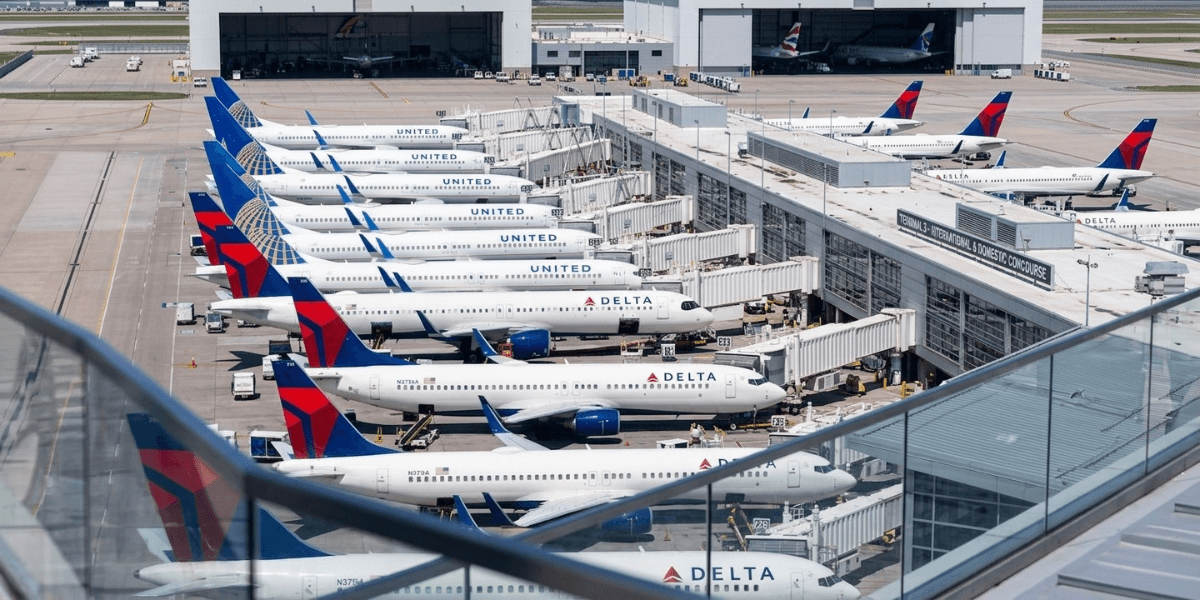
A coalition of major U.S. airlines announced a coordinated technology modernization initiative on May 4, 2026, aimed at improving operational reliability, reducing delays, and enhancing the passenger experience across the country. The initiative, developed in collaboration with federal aviation authorities and private technology firms, represents one of the most comprehensive digital upgrades in the aviation sector in recent years.
The effort involves several leading carriers, including American Airlines, Delta Air Lines, and United Airlines, which together account for a significant share of domestic air travel. The initiative focuses on integrating advanced data systems, improving real-time communication, and upgrading legacy infrastructure that has long been cited as a source of operational inefficiencies.
Addressing Longstanding Industry Challenges
Air travel in the United States has faced persistent challenges in recent years, particularly during peak travel seasons. Flight delays, cancellations, and system outages have disrupted travel plans for millions of passengers. Industry analysts have often pointed to outdated software systems, fragmented data-sharing practices, and limited coordination between stakeholders as key contributing factors.
The newly announced modernization plan seeks to address these issues through the deployment of cloud-based platforms and predictive analytics tools. These technologies will allow airlines to better anticipate disruptions caused by weather, air traffic congestion, and mechanical issues, enabling more proactive decision-making.
According to reporting from Reuters, airline executives emphasized that the initiative is designed to create a more resilient and responsive system, particularly during periods of high demand.
Key Features of the Upgrade
One of the central components of the initiative is the implementation of a unified data-sharing framework. This system will allow airlines, airports, and air traffic control to access real-time operational data, improving coordination across the aviation ecosystem. By streamlining communication, stakeholders can respond more quickly to disruptions and minimize cascading delays.
Another major feature is the adoption of artificial intelligence to optimize scheduling and resource allocation. AI-driven systems will analyze historical and real-time data to recommend adjustments to flight schedules, gate assignments, and crew deployment. This is expected to reduce bottlenecks and improve overall efficiency.
In addition, airlines plan to enhance customer-facing technologies, including mobile applications and notification systems. Passengers will receive more accurate and timely updates regarding flight status, gate changes, and potential delays. These improvements aim to provide greater transparency and reduce uncertainty during travel.
Economic and Business Implications
The initiative is expected to have significant implications for the broader business landscape. Air travel plays a critical role in supporting commerce, tourism, and supply chains across the United States. Improved reliability can enhance productivity by reducing travel-related disruptions for business professionals and logistics operations.
From a financial perspective, airlines stand to benefit from increased efficiency and reduced operational costs. Delays and cancellations often result in substantial expenses, including compensation, rebooking, and logistical adjustments. By minimizing these disruptions, carriers can improve their cost structures while maintaining service quality.
The initiative also reflects a broader trend toward digital transformation across industries. Companies are increasingly investing in technology to improve resilience and adaptability in the face of evolving challenges. In the aviation sector, this shift is particularly important given the complexity and scale of operations.
Leadership and Collaboration
A notable aspect of the announcement is the level of collaboration involved. The initiative brings together multiple competitors, government agencies, and technology providers in a coordinated effort. This approach highlights the importance of collective action in addressing systemic challenges that cannot be solved by individual organizations alone.
Industry leaders emphasized that the success of the initiative will depend on sustained cooperation and transparent communication. By aligning goals and sharing resources, stakeholders aim to create a more integrated and efficient aviation system.
This collaborative model may serve as a blueprint for other industries facing similar challenges. In an increasingly interconnected world, partnerships between public and private entities are becoming essential for driving large-scale innovation.
Looking Ahead
The rollout of the technology upgrades is expected to begin later this year, with full implementation planned over the next several years. While the initiative represents a significant investment, industry experts believe the long-term benefits will outweigh the costs.
Passengers can expect gradual improvements in travel reliability as new systems are deployed. However, experts caution that the transition period may involve temporary disruptions as legacy systems are phased out and new technologies are integrated.

Leadr Magazine Contributor
Abigail Rhodes
Covers entrepreneurship, innovation, and career development, sharing stories about ambitious professionals and growing businesses.
This article features partner, contributor, or branded content from a third party. Members of the Leadr Magazine editorial staff were not involved in the creation of this content. All views and opinions are those of the contributor alone.
Related Posts
Vallejo Relief Center: Highway 80's Cultural Hub Anthropic Reveals Massive AI Infrastructure Plans as It Moves Toward Landmark IPO
 Funko’s New CEO Pursues Turnaround as Collectibles Company Rebuilds Around Faster Product Development