




 USGRCA: Dedicated Partners in Federal Contracting
Home»Business»Major U.S. Airline Systems Outage Disrupts Nationwide Travel Operation…
Major U.S. Airline Systems Outage Disrupts Nationwide Travel Operations
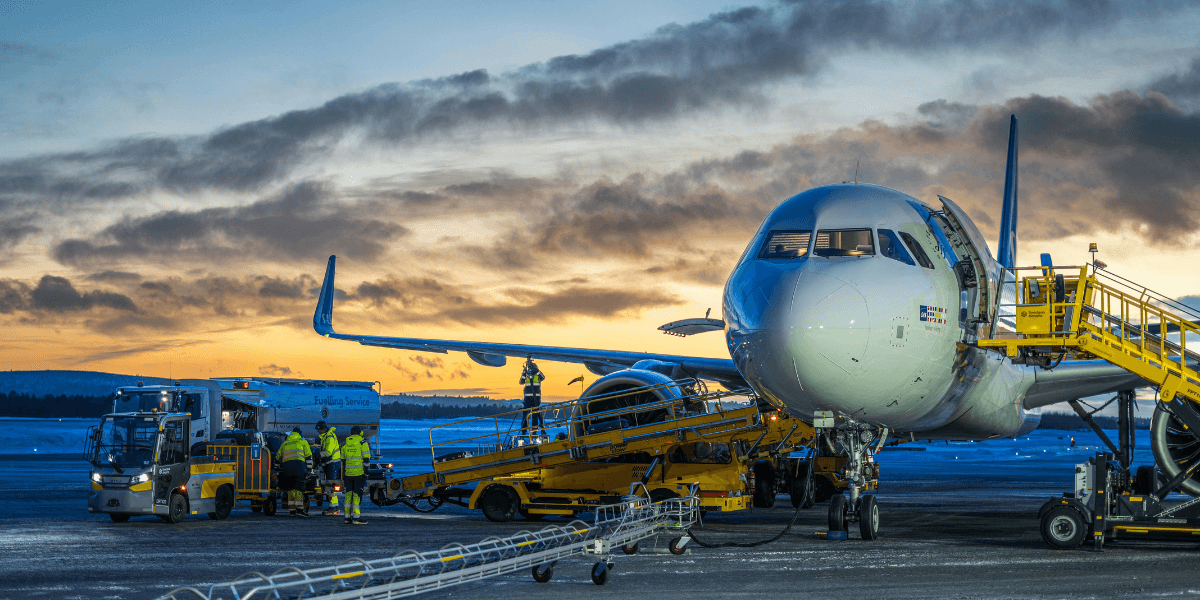
A widespread airline systems outage across the United States on April 24, 2026, caused significant disruptions to air travel, affecting thousands of passengers and prompting urgent operational responses from major carriers. The incident, which impacted reservation systems, boarding processes, and flight tracking services, underscored the aviation industry’s increasing reliance on interconnected digital infrastructure, and the vulnerabilities that come with it.
According to statements released by multiple U.S. airlines, the outage began early Friday morning and quickly cascaded across several major hubs, including Atlanta, Dallas, Chicago, and Miami. Travelers reported delays at check-in counters, difficulties accessing mobile boarding passes, and temporary halts in departures as airline staff reverted to manual processes. While the Federal Aviation Administration (FAA) confirmed that air traffic control systems remained operational, the disruption at the airline level was enough to delay or cancel hundreds of flights nationwide.
Initial assessments indicated that the outage stemmed from a third-party technology provider responsible for managing critical airline software systems. Although the provider has not been officially named in all reports, several airlines acknowledged that shared infrastructure contributed to the widespread nature of the disruption. Industry experts note that such dependencies, while efficient under normal conditions, can create systemic risk when failures occur.
Airlines responded by activating contingency protocols, including manual passenger processing and coordination with airport authorities to manage congestion. By mid-afternoon, some systems began to recover, allowing limited restoration of services. However, the ripple effects continued throughout the day, with flight schedules struggling to return to normal and passengers experiencing extended travel times.
The incident had a particularly noticeable impact in Florida, a key travel hub with high passenger volumes. Miami International Airport reported delays across multiple carriers, with airport officials advising travelers to check flight statuses frequently and arrive earlier than usual. Despite the disruption, airport operations remained orderly, aided by increased staffing and communication efforts.
From a leadership and operational standpoint, the outage highlights the critical importance of resilience in complex systems. Modern airlines rely on a network of digital tools for nearly every aspect of their operations, from ticketing and crew scheduling to baggage handling and customer communication. When one component fails, the effects can quickly spread across the entire system.
Experts in business continuity emphasize that organizations must invest not only in advanced technology but also in robust backup systems and crisis management strategies. In this case, airlines that were able to transition quickly to manual processes and communicate clearly with passengers appeared to mitigate the worst impacts. Transparency and responsiveness played a key role in maintaining customer trust during the disruption.
The event also raises broader questions about vendor management and risk diversification. As companies increasingly outsource critical functions to specialized providers, ensuring redundancy and accountability becomes essential. Leaders are encouraged to regularly assess their supply chains, not just for physical goods, but for digital services that underpin daily operations.
For travelers, the outage serves as a reminder of the importance of preparation and flexibility. Keeping digital and printed copies of travel documents, monitoring airline communications, and allowing extra time at airports can help reduce stress during unexpected disruptions. While such events are relatively rare, their impact can be significant when they occur.
By the evening of April 24, most affected systems were gradually restored, and airlines worked overnight to reposition aircraft and crews. Full recovery was expected to take additional time as backlogs were cleared and schedules stabilized. Investigations into the root cause of the outage are ongoing, with both airlines and technology providers expected to review their systems and implement safeguards to prevent similar incidents in the future.
This nationwide disruption illustrates a key lesson for leaders across industries: operational efficiency must be balanced with resilience. As digital transformation continues to accelerate, organizations must anticipate potential points of failure and build systems capable of withstanding unexpected challenges. The events of April 24 serve as a case study in the importance of preparedness, adaptability, and clear communication in navigating complex, real-world disruptions.

Leadr Magazine Contributor
Abigail Rhodes
Covers entrepreneurship, innovation, and career development, sharing stories about ambitious professionals and growing businesses.
This article features partner, contributor, or branded content from a third party. Members of the Leadr Magazine editorial staff were not involved in the creation of this content. All views and opinions are those of the contributor alone.
Related Posts
USGRCA: Dedicated Partners in Federal Contracting McClatchy Layoffs Expose the Financial and Leadership Challenges Facing Local News
 Macy's Raises Full-Year Forecast as Premium Brands Drive Retail Growth