




 Lee A. Wright Turns Faith Into A Life Of Purpose
Home»Leadership»Federal Reserve Meeting Draws Attention from Business Leaders as Econo…
Federal Reserve Meeting Draws Attention from Business Leaders as Economic Planning Takes Center Stage
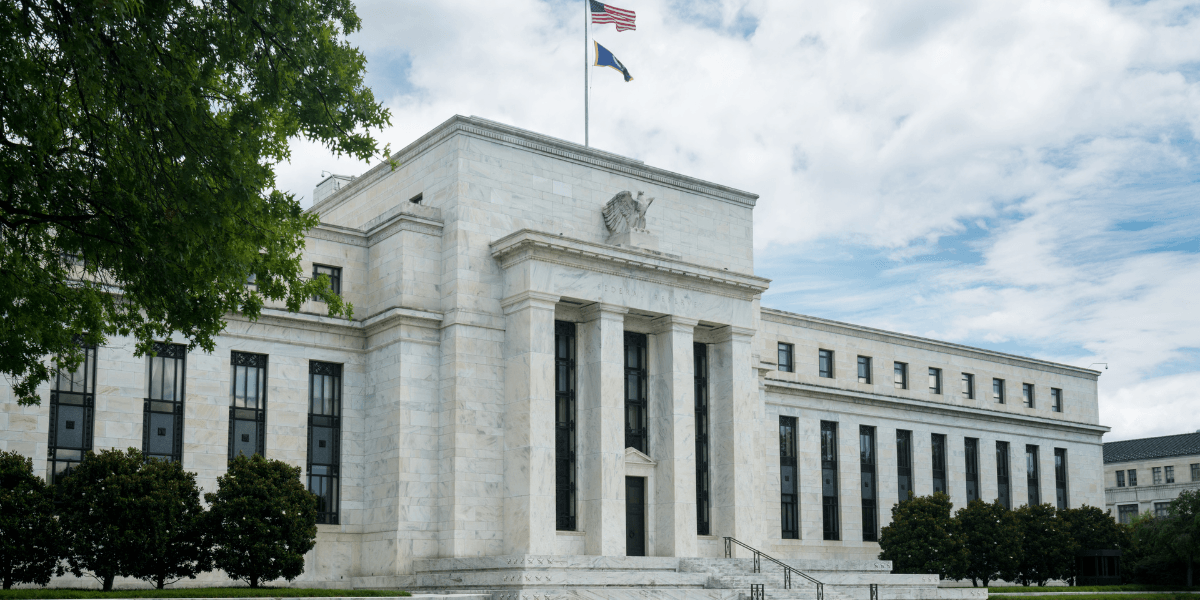
Business leaders across the United States closely monitored developments on June 16, 2026, as the Federal Reserve opened its scheduled two-day policy meeting. While financial markets largely expected interest rates to remain unchanged, the event attracted widespread attention from executives, entrepreneurs, and organizational leaders seeking insight into the broader economic environment.
The June meeting marked the beginning of an important decision-making period for the Federal Reserve and arrived at a time when many organizations are evaluating their strategies for the remainder of the year. Economic indicators have presented a mixed picture, with steady consumer activity and relatively strong employment conditions accompanied by ongoing concerns about inflation and future growth. As a result, leaders across multiple industries are paying close attention to signals that could influence planning, investment, hiring, and operational priorities.
Unlike political events or election-related developments, Federal Reserve meetings focus on economic conditions and monetary policy. These meetings often serve as key reference points for organizations seeking to understand the broader environment in which they operate. The June 16 session was particularly significant because it represented the start of a meeting expected to shape economic expectations for the months ahead.
Why Business Leaders Pay Attention
The Federal Reserve plays a central role in the U.S. economy by helping maintain stable prices and supporting employment through monetary policy decisions. Changes in interest rates can affect borrowing costs for businesses, consumers, and institutions. Even when rates remain unchanged, the central bank’s outlook can influence business confidence and strategic planning.
For organizational leaders, understanding economic trends is an essential part of decision-making. Whether managing a startup, a growing company, or a large enterprise, leaders must evaluate how economic conditions may affect customers, employees, and future opportunities.
The June meeting drew particular interest because it included updated economic assessments and discussions about future conditions. Many executives viewed the event as an opportunity to gain a clearer understanding of the challenges and opportunities likely to shape the second half of 2026.
Strategic Planning in an Uncertain Environment
One of the key leadership lessons emerging from the current economic landscape is the importance of adaptability. Organizations today face rapidly changing market conditions, evolving customer expectations, and increasing technological transformation. Economic uncertainty adds another layer of complexity to strategic planning.
Many companies have responded by emphasizing flexibility in their operations and decision-making processes. Rather than relying on a single forecast, leadership teams increasingly use scenario planning to prepare for multiple possible outcomes. This approach enables organizations to respond more effectively when conditions change.
The Federal Reserve meeting highlights the value of this mindset. Because future economic developments cannot be predicted with complete certainty, leaders benefit from maintaining strong financial discipline while remaining prepared to seize opportunities as they emerge.
Organizations that balance caution with innovation are often better positioned to navigate periods of uncertainty and maintain long-term growth.
The Connection Between Leadership and Economic Awareness
Strong leadership extends beyond managing day-to-day operations. Effective leaders also develop an awareness of external factors that may influence organizational performance. Economic trends, consumer behavior, labor market conditions, and financing environments all contribute to business outcomes.
The June 16 Federal Reserve meeting serves as an example of how leadership and economic awareness intersect. Executives who stay informed about broader economic developments are often better equipped to make timely decisions regarding staffing, expansion, budgeting, and resource allocation.
This does not require predicting every market movement. Instead, it involves understanding key indicators and maintaining a disciplined approach to decision-making. By focusing on facts rather than speculation, leaders can reduce uncertainty and improve organizational resilience.
Many successful organizations have demonstrated that clear communication and data-driven decision-making remain valuable leadership tools regardless of economic conditions.
Building Resilient Organizations
The current economic environment has reinforced the importance of resilience as a leadership priority. Resilient organizations are able to adapt to changing conditions while maintaining focus on their core mission and objectives.
This resilience often comes from several factors, including strong leadership teams, healthy financial management, investment in employee development, and a willingness to embrace innovation. Companies that cultivate these qualities tend to be better prepared for both challenges and opportunities.
The discussions surrounding the Federal Reserve meeting underscore the importance of long-term thinking. Rather than reacting to short-term headlines, effective leaders focus on building organizations capable of sustained success over time.
That perspective can help companies maintain momentum even when economic conditions remain uncertain.
Looking Ahead
As the Federal Reserve’s June meeting continues, business leaders throughout the country will remain focused on the information emerging from policymakers and economic experts. While no single event determines the future direction of the economy, meetings such as this provide valuable context for organizational planning and decision-making.
The key takeaway for leaders is not simply whether interest rates change, but what the broader economic outlook suggests about future opportunities and risks. Successful organizations recognize that leadership requires both strategic vision and adaptability.
The June 16 Federal Reserve meeting serves as a reminder that effective leadership is closely connected to informed decision-making. By staying aware of economic developments, maintaining flexibility, and focusing on long-term objectives, leaders can position their organizations to navigate change and pursue sustainable growth in the months ahead.

Leadr Magazine Contributor
Ashley Franklin
Covers entrepreneurship, branding, leadership, and emerging companies.
This article features partner, contributor, or branded content from a third party. Members of the Leadr Magazine editorial staff were not involved in the creation of this content. All views and opinions are those of the contributor alone.
Related Posts
Lee A. Wright Turns Faith Into A Life Of Purpose David Wortley Brings AI Warning To Oxford World Leaders
 Faciem Valorem Corporation Builds Beyond Earth