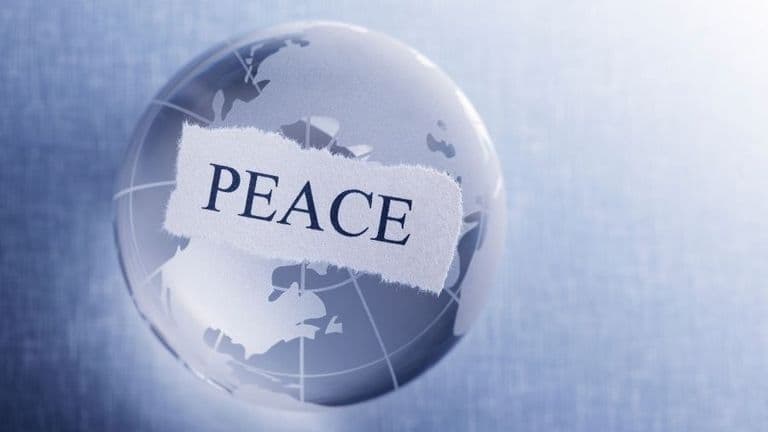
On June 22–23, 2024, the International Peace Bureau (IPB) and World BEYOND War came together to host the third annual 24-hour Peace Wave, a globally coordinated event aimed at advocating for peace, opposing militarization, and promoting unity across nations. This symbolic event marked a powerful demonstration of how the global community is increasingly prioritizing diplomacy…
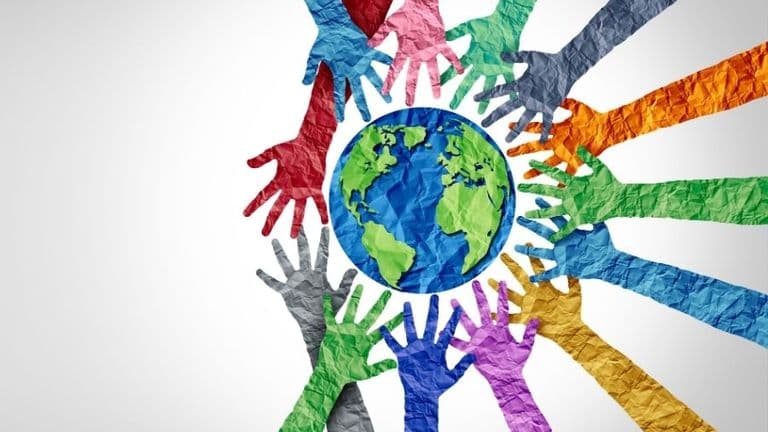
June 2024 ushers in a colorful array of cultural festivals that celebrate the rich diversity and unity found around the world. These festivals, including the iconic Rio Carnival and the vibrant Diwali celebrations, bring together millions of people from different backgrounds, showcasing cultural resilience, creativity, and a shared commitment to community bonding. One of the…
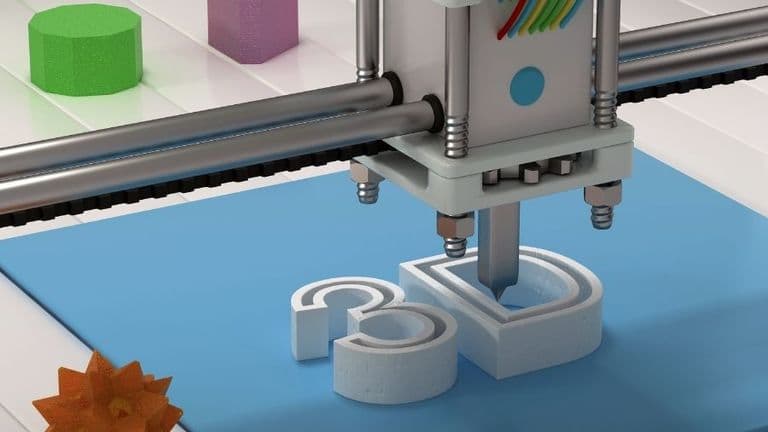
The technology sector is currently undergoing an exciting transformation, driven by major advancements in artificial intelligence (AI) and 3D printing. These innovations are not only reshaping industries but also significantly enhancing the way people interact with technology in their everyday lives. As AI continues to develop at a rapid pace, it is becoming an integral…

In 2024, global economic growth is expected to stabilize at 2.6%, offering a sense of relief after several years of instability caused by numerous negative shocks. This marks the first time in a while that we see a level of growth that isn’t sharply declining. Key factors contributing to this stabilization include careful adjustments in…
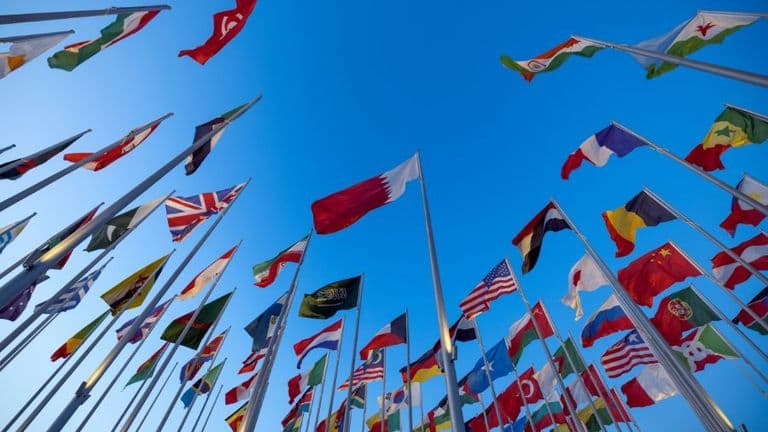
The geopolitical landscape is becoming increasingly volatile as the ongoing conflicts in Ukraine and Gaza continue to shape global stability. These regions, far from isolated in their impact, are fueling broader international tensions and reshaping diplomatic relations worldwide. As military operations persist in both areas, the need for robust diplomatic engagement and strategic alliances has…
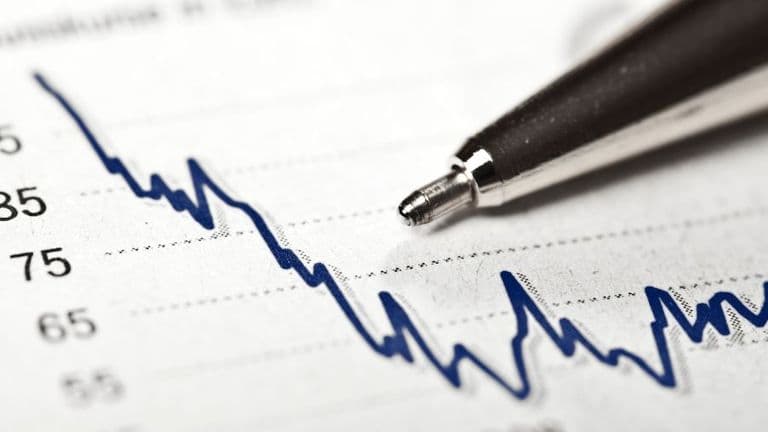
Global inflation is on a downward trajectory, signaling the rise of disinflationary forces across major economies. The Eurozone, for instance, has seen inflation fall to 1.9%, much lower than previous years. This reduction has spurred speculation that the European Central Bank (ECB) may continue its trend of interest rate cuts to support economic activity and…

Emerging markets worldwide are experiencing profound economic shifts, fueled by rapid technological advancements that are reshaping their industries and influencing global economic landscapes. A prime example of this transformation can be seen in India, where the country has attracted substantial Foreign Direct Investment (FDI), totaling over $500 billion in equity inflows since 2014. This remarkable…
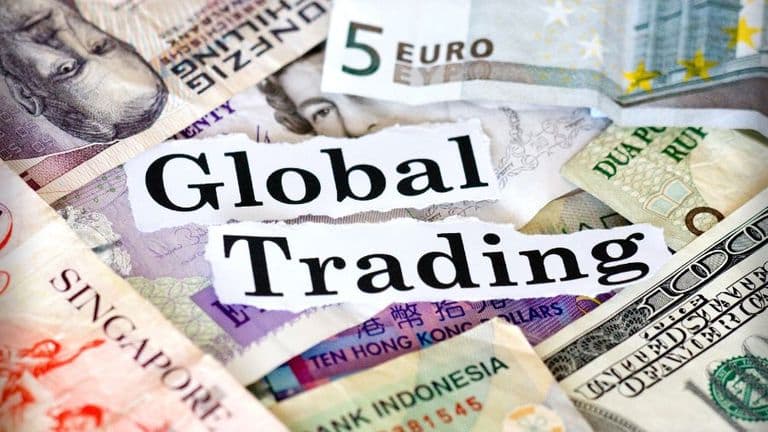
Global economic forecasts are now facing downward revisions, as increasing trade tensions and uncertain policies stir concerns about future growth. The Organisation for Economic Co-operation and Development (OECD) has adjusted its projections, estimating a global GDP growth of only 2.9% for 2025 and 2026. This marks a sharp decline from the anticipated 3.3% growth in…

In the face of global economic uncertainty, central banks around the world are taking a cautious approach to monetary policy. Economic conditions have become increasingly unpredictable, with some regions experiencing steady growth while others struggle with persistent challenges such as high inflation and sluggish economic expansion. Central banks are walking a fine line, striving to…

The global market landscape continues to be affected by escalating trade tensions, particularly between major economic powers like the U.S. and China. These ongoing disputes, which show no signs of abating, have far-reaching consequences that ripple through various sectors, leading to significant disruptions in global supply chains. While the trade war’s origins are rooted in…