



 Nvidia's Leadership Shock Sends AI Stocks Lower as Investors Reassess Technology Sector Risk
Home»Finance»AI Infrastructure Debt Faces New Scrutiny as Investors Reassess the Co…
AI Infrastructure Debt Faces New Scrutiny as Investors Reassess the Cost of America's Technology Boom
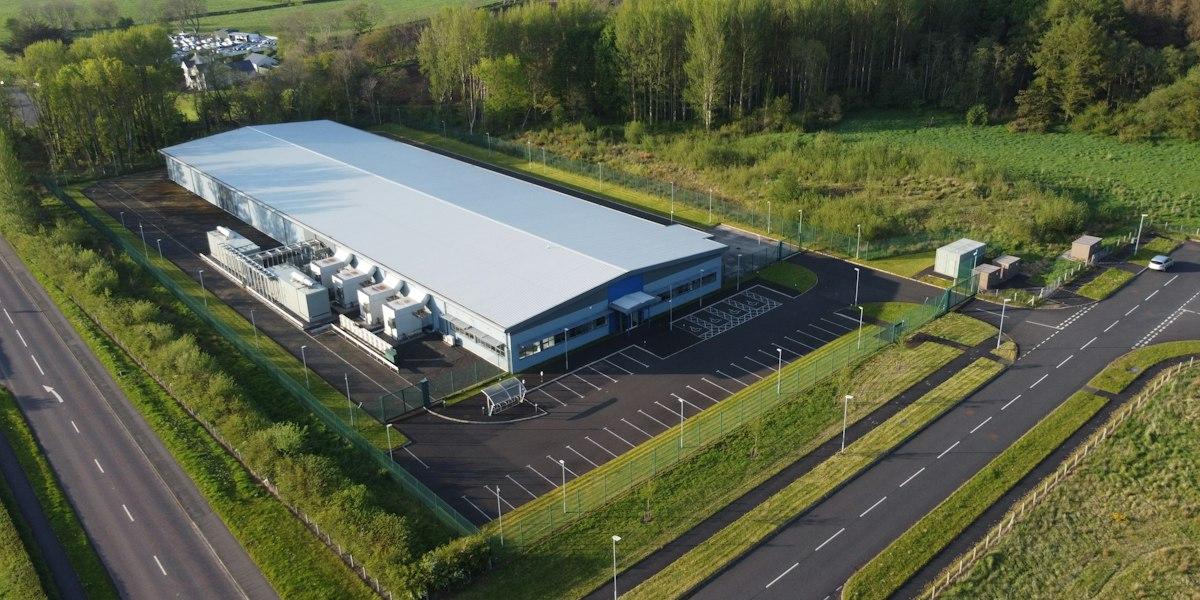
Growing borrowing costs and regulatory uncertainty are raising questions about the financial sustainability of AI infrastructure expansion.
NEW YORK. The financing behind America's artificial intelligence infrastructure expansion is facing increased scrutiny as bond investors become more cautious about debt connected to data centers, computing facilities and the companies supplying the technology industry.
The changing sentiment reflects concerns that the rapid expansion of artificial intelligence infrastructure could encounter financial and regulatory obstacles. Investors are increasingly examining whether the substantial capital commitments supporting the AI industry can generate sufficient returns while maintaining manageable borrowing costs.
The development carries implications beyond technology companies. Data center construction supports a broad commercial ecosystem involving property developers, engineering contractors, equipment manufacturers, electricity providers and financial institutions.
A slowdown in infrastructure investment could therefore affect several interconnected industries.
Investors Reconsider AI-Related Borrowing
Debt financing has become an important component of the artificial intelligence expansion.
Building large data centers requires substantial upfront spending on land, construction, electrical systems, cooling equipment, networking infrastructure and specialized computing hardware.
Some companies finance these projects through corporate borrowing and other forms of capital raised from financial markets.
However, investors are becoming more selective about the risks associated with lending to businesses connected to the AI infrastructure cycle.
Reuters reported that U.S. high-yield credit spreads had reached 348 basis points the previous Thursday, representing their highest level since May 2025.
The movement indicated increased compensation being demanded by investors for holding riskier corporate debt compared with safer government securities.
Single-B-rated borrowing costs also experienced widening pressure, while investment-grade spreads edged higher.
The changes do not establish that AI infrastructure financing has stopped. They demonstrate that investors are paying closer attention to the risks attached to businesses whose financial performance depends heavily on continued technology investment.
Regulatory Uncertainty Enters the Financial Equation
Another concern involves the potential impact of future regulation on AI development and data center construction.
The political environment following the U.S. midterm elections introduced additional uncertainty for investors evaluating the long-term policy environment surrounding artificial intelligence.
Proposed regulatory measures affecting AI systems and data center development could influence project approvals, operating requirements and investment decisions.
For companies planning large infrastructure projects, uncertainty can complicate financial planning.
Data centers often require lengthy development periods and substantial commitments before generating revenue. Developers must secure land, obtain necessary approvals, arrange electricity supply and coordinate construction before facilities become operational.
If regulatory requirements change during this process, companies may need to reconsider budgets, timelines or project configurations.
Investors therefore have reasons to examine not only the financial condition of individual borrowers but also the regulatory environment affecting the wider industry.
The Broader Infrastructure Supply Chain
Artificial intelligence infrastructure is supported by a network of businesses that extend beyond the companies developing AI software.
Data center developers depend on construction contractors, electrical equipment suppliers, cooling technology providers and specialized hardware manufacturers.
Energy companies also play an important role because large computing facilities require substantial and reliable electricity supplies.
These relationships create economic connections across multiple sectors.
When AI companies increase infrastructure spending, suppliers and contractors can benefit from additional demand.
However, if investment slows, the effects can extend throughout the supply chain.
Companies that expanded production capacity or entered new markets in anticipation of sustained AI spending may face different operating conditions if project development becomes more cautious.
The financial exposure is not identical for every business. Some suppliers maintain diversified customer bases, while others depend more heavily on a limited number of large infrastructure projects.
Understanding those differences is important when assessing the broader implications of changing credit conditions.
Economic Growth and Corporate Investment
The AI infrastructure boom has also become relevant to the wider U.S. economy.
Large-scale construction and technology spending contribute to business investment through purchases of equipment, development activity and related services.
A meaningful reduction in planned projects could affect investment across several industries.
However, investors do not necessarily expect immediate cancellations of projects already underway.
Many infrastructure developments have secured financing or entered construction phases, meaning their near-term spending plans may remain relatively stable.
The more significant uncertainty concerns projects scheduled for later years.
If borrowing costs remain elevated or regulatory requirements become more demanding, companies may reconsider the timing and scale of future expansion.
This distinction is important because changes in financing sentiment do not automatically translate into an immediate decline in physical construction.
Corporate Leadership and Capital Discipline
The changing investment environment places additional responsibility on corporate leadership teams.
Executives overseeing AI infrastructure projects must evaluate the relationship between capital spending, expected demand and financing costs.
The challenge is particularly significant for businesses making long-term investments in assets that require substantial resources before producing operating revenue.
Leadership teams must also consider whether planned capacity will match actual customer demand.
Expanding too slowly can limit commercial opportunities, while investing too aggressively can create financial pressure if demand develops more gradually than expected.
The current environment therefore places greater emphasis on capital discipline, project evaluation and transparent financial communication.
Businesses must demonstrate that their expansion strategies are supported by realistic assumptions rather than relying exclusively on optimistic expectations surrounding AI adoption.
Financing Conditions Could Influence Future Expansion
Some investors believe a reduction in new debt issuance could provide financial markets with more time to absorb the large volume of borrowing associated with the AI infrastructure cycle.
Others remain concerned that regulatory uncertainty could influence investment decisions later in the decade.
There is also the possibility that infrastructure development could shift toward jurisdictions offering more favorable operating conditions rather than disappearing entirely.
These considerations demonstrate that the future of AI investment involves several interconnected factors.
Capital availability, electricity supply, regulatory requirements, customer demand and technological development will all influence the pace of expansion.
A More Selective Phase of AI Investment
The latest developments suggest that financial markets are moving toward closer scrutiny of the economic foundations supporting artificial intelligence infrastructure.
The technology remains commercially important, but the businesses financing its expansion must demonstrate financial resilience and credible paths toward generating returns.
For executives, the changing environment emphasizes the importance of disciplined capital allocation and risk management.
For lenders and investors, it highlights the need to evaluate the financial exposure of individual companies and the wider infrastructure ecosystem.
The AI expansion remains a major business development, but its next phase will increasingly be measured by the ability of companies to convert infrastructure spending into sustainable commercial performance.

Leadr Magazine Contributor
Ivan Petrosyan
Covers global markets and corporate finance, mapping the trends moving capital across borders.
This article features partner, contributor, or branded content from a third party. Members of the Leadr Magazine editorial staff were not involved in the creation of this content. All views and opinions are those of the contributor alone.
Related Posts
Nvidia's Leadership Shock Sends AI Stocks Lower as Investors Reassess Technology Sector Risk American Businesses Face a New Consumer Reality as Inflation Drives a Historic Shift Toward Value Shopping
 The Cultural Architect: How Fire Chief Walt W. White Is Redefining Leadership Through Organizational Culture
More from Finance
- RoseMarie Keogh-Smyth Makes Money Human
- AI Spending Faces a New Test as Investors Prioritize Cash Flow Over Expansion
- American Express Raises Full-Year Earnings Outlook After Record Third-Quarter Revenue
- Federal Reserve Survey Shows Higher Median Family Income Alongside Rising Debt-Payment Pressure
- U.S. Treasury Yields Reach 5% as Businesses Face Higher Borrowing Costs
- AIG Leadership Transition Triggers Market Reaction Amid Broader Sector Shifts
- Strong U.S. Economic Growth Reshapes Executive Strategy Heading Into 2026
- U.S. Financial Markets Hold Steady as Investors Position for Year-End and 2026 Outlook
- Federal Reserve Cuts Interest Rates for Third Consecutive Meeting, Markets React Positively
- Mounting Financial Strain Hits Americans as Health Insurance Costs and SNAP Uncertainty Collide on November 1