




 Zee Markarian Of Grandview Capital Lending On Smart Business Debt
Home»Finance»Manufacturing Sector Continues Growth in February 2025 Amid Strong New…
Manufacturing Sector Continues Growth in February 2025 Amid Strong New Orders
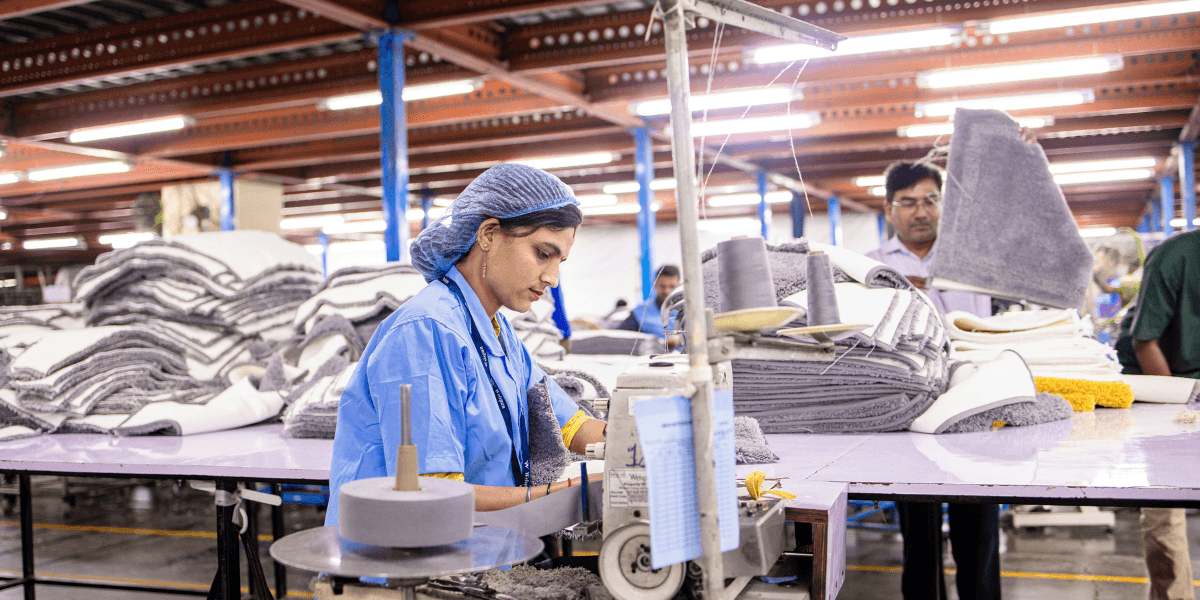
Manufacturing Sector Continues Growth in February 2025 Amid Strong New Orders
The U.S. manufacturing sector saw continued growth in February 2025, according to the latest report from the Institute for Supply Management (ISM). The Purchasing Managers’ Index (PMI) held steady at 52.5, slightly improving from 52.3 in January, signaling that the sector is still expanding. This expansion was fueled by an uptick in new orders, particularly in the technology and automotive sectors, which have seen increased demand.
Manufacturers reported significant increases in new orders, reflecting robust consumer and business demand. This demand has been crucial in supporting the sector’s overall positive trajectory. As new orders surged, manufacturers responded by ramping up hiring, contributing to steady growth in employment within the industry. The increase in workforce numbers indicates that companies are investing in their operations to meet the rising production demands brought on by these orders.
Alongside job growth, there have been positive developments in the supply chain. Supply chain disruptions, which had plagued manufacturers over the past few years, have continued to ease. This improvement has allowed manufacturers to optimize delivery times and reduce backlogs that had previously impacted production schedules. While this marks a significant recovery, there are still challenges related to the rising costs of inputs, particularly raw materials and transportation. These factors have kept input costs elevated, putting pressure on manufacturers’ profit margins.
Despite these cost challenges, the overall resilience of the manufacturing sector remains a key contributor to economic growth. The sustained expansion of manufacturing supports job creation, bolsters investments, and contributes to the country’s overall economic health. As the sector adapts to global supply chain complexities and fluctuating costs, its ability to maintain growth in February points to a continued positive outlook for the coming months.
Looking ahead, the manufacturing industry will need to remain vigilant, closely monitoring developments in trade policies, labor market conditions, and cost pressures. These factors will play a critical role in shaping the trajectory of the sector’s growth and overall production capacity in the near future.

Leadr Magazine Contributor
Ivan Petrosyan
Covers global markets and corporate finance, mapping the trends moving capital across borders.
This article features partner, contributor, or branded content from a third party. Members of the Leadr Magazine editorial staff were not involved in the creation of this content. All views and opinions are those of the contributor alone.
Related Posts
Zee Markarian Of Grandview Capital Lending On Smart Business Debt Nvidia's Leadership Shock Sends AI Stocks Lower as Investors Reassess Technology Sector Risk
 AI Infrastructure Debt Faces New Scrutiny as Investors Reassess the Cost of America's Technology Boom
More from Finance
- U.S. Housing Market Shows Modest Gains as Mortgage Rates Stabilize
- U.S. Inflation Rate Steady at 3.4% in January 2025 as Price Growth Slows
- Consumer Confidence Strengthens In February To 112.0, Reflecting Optimism
- Major U.S. Banks Report Continued Earnings Growth In Q1 Amid Stable Credit Conditions
- Retail Sales Advance 0.5 Percent In January As Consumer Spending Persists
- Tech Stocks Surge as Strong Earnings Drive Market Optimism in 2023
- Retail Earnings Mixed as Consumer Spending Struggles Amid Inflation
- U.S. Stocks Start the Year Strong as Economic Outlook Remains Mixed
- U.S.–Africa Leaders Summit Spurs $62.6B in Trade and Investment
- US Stock Market Faces December Slump as Fed’s Hawkish Stance and Economic Concerns Weigh on Investors