


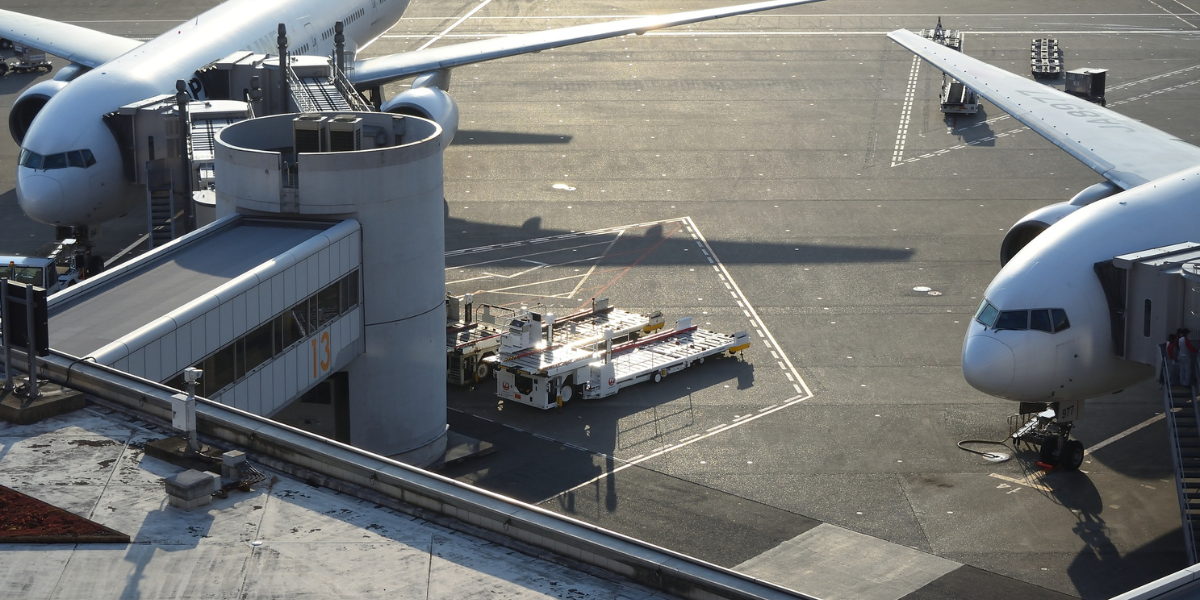
Several major airports across the United States announced significant expansions of artificial intelligence-powered operational systems on May 14, 2026, marking a major development in the modernization of the country’s transportation infrastructure. The upgrades, introduced at airports including Dallas/Fort Worth International Airport, Hartsfield-Jackson Atlanta International Airport, and Los Angeles International Airport, are designed to improve passenger flow, reduce delays, strengthen safety monitoring, and increase operational efficiency during one of the busiest travel periods of the year.
Airport authorities and aviation technology firms confirmed that the new systems will integrate machine learning tools, predictive analytics, automated scheduling software, and advanced crowd-monitoring technology to help manage rising passenger traffic more effectively. The move reflects a broader trend among transportation hubs worldwide as industries increasingly adopt AI-based systems to improve logistics and customer experience.
The modernization efforts come as the U.S. aviation sector continues experiencing sustained growth following strong domestic and international travel demand in recent years. According to transportation analysts, American airports handled record passenger numbers during several peak travel periods in early 2026, placing additional pressure on infrastructure, staffing, and scheduling systems.
Industry leaders say the newly expanded technologies are intended to address long-standing operational challenges, particularly around baggage handling, gate management, and flight coordination. AI-assisted systems can process large amounts of real-time operational data more rapidly than traditional systems, allowing airport management teams to respond more quickly to disruptions caused by weather, congestion, or maintenance issues.
One of the most visible upgrades involves intelligent passenger flow systems that analyze crowd density throughout terminals. These tools can help airports adjust staffing levels, security lane availability, and boarding schedules in real time. Officials say the technology may reduce bottlenecks during high-volume travel periods while improving the overall passenger experience.
Airline executives have also supported the initiative, noting that delays and scheduling disruptions can create costly operational challenges across interconnected flight networks. Predictive maintenance systems powered by AI are expected to help identify equipment issues earlier, potentially reducing unexpected downtime for aircraft servicing equipment and airport infrastructure.
Business analysts view the development as another example of how AI is reshaping large-scale operational industries beyond the technology sector itself. While artificial intelligence has become widely discussed in finance, software, and manufacturing, transportation infrastructure has increasingly emerged as one of the most practical environments for large-scale implementation.
Experts say airports are particularly suited for AI adoption because of the enormous amount of operational data generated every day. Flight schedules, passenger movement patterns, weather information, staffing logistics, and security operations all create datasets that can be analyzed to improve efficiency and forecasting.
The economic implications are also significant. U.S. airports collectively contribute billions of dollars annually to local and national economies through tourism, trade, and employment. Reducing delays and improving system reliability can have ripple effects across multiple industries, including hospitality, logistics, retail, and business travel.
Several airport operators emphasized that human oversight will remain central to operations despite the increased use of automation. Industry leaders have repeatedly stated that AI systems are intended to support decision-making rather than replace aviation professionals responsible for safety, security, and operational management.
The Federal Aviation Administration has also continued monitoring the integration of emerging technologies within airport operations. Aviation experts note that regulatory oversight remains essential as airports adopt increasingly sophisticated automation tools. Safety standards, cybersecurity protections, and system reliability continue to be major priorities as implementation expands nationwide.
In addition to operational improvements, airport modernization projects are expected to create new workforce opportunities in engineering, systems management, cybersecurity, and data analysis. Educational institutions and workforce development organizations have increasingly partnered with transportation and technology companies to prepare workers for evolving infrastructure roles connected to automation and AI systems.
Leadership experts say the rapid implementation of AI technologies within critical industries highlights the importance of adaptive management and long-term strategic planning. Organizations managing large public systems face growing pressure to modernize operations while maintaining public trust, safety, and reliability. The airport sector’s investments demonstrate how leadership teams are balancing innovation with operational accountability.
Travel industry observers believe the latest developments could influence how other sectors approach infrastructure modernization. Ports, rail systems, healthcare facilities, and logistics networks are already exploring similar technologies to improve coordination and resource management.
For passengers, the changes may become increasingly visible over the coming months through shorter wait times, more accurate travel updates, and improved terminal navigation systems. Some airports are also testing AI-assisted customer service tools capable of providing multilingual assistance and real-time travel guidance through mobile applications and digital kiosks.
As summer travel demand approaches, airport operators across the United States are preparing for another period of heavy passenger activity. Industry leaders say the expanded AI systems are intended to strengthen resilience during peak operations while laying the groundwork for future transportation growth.
The May 14 announcements underscore how technology, leadership strategy, and infrastructure investment are becoming increasingly interconnected across the American economy. For airport operators and business leaders alike, the modernization effort represents both an operational necessity and a broader shift toward data-driven decision-making in large-scale public systems.
