


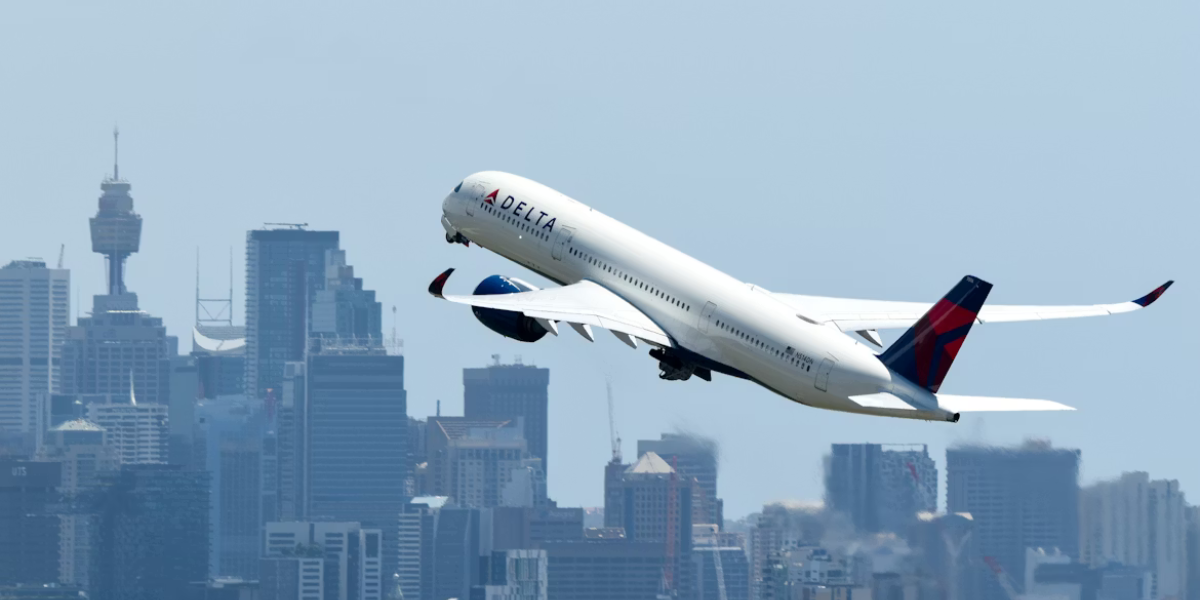
A significant leadership transition underway at Delta Air Lines is drawing attention across the business community, highlighting how large organizations adapt their leadership structures to prepare for the next phase of growth. The U.S.-based airline recently announced changes within its executive leadership team following the retirement and departure of several senior leaders. The transition represents more than a routine personnel shift; it reflects a broader strategy centered on operational resilience, customer experience, and long-term corporate leadership development.
One of the most notable developments is the planned retirement of longtime Chief of Operations John Laughter after more than three decades with the company. His departure follows the earlier retirement of Glen Hauenstein, who served as Delta’s president for nearly a decade. These leadership changes have prompted Chief Executive Officer Ed Bastian to reorganize the company’s executive structure to ensure stability while strengthening its leadership pipeline for the future.
Under the new structure, Peter Carter, previously serving as Delta’s chief external affairs officer, will move into the role of president. Carter has been a key figure in managing the company’s relationships with governments, industry partners, and communities. His experience in navigating regulatory environments and public policy challenges is expected to help guide the airline as global aviation continues to evolve.
At the same time, Chief Financial Officer Dan Janki will transition into the role of chief operating officer, replacing Laughter. This move represents a strategic alignment between financial oversight and operational management. By bringing financial leadership closer to day-to-day airline operations, Delta aims to ensure that operational performance remains closely connected with long-term financial sustainability.
Erik Snell, who previously served as the airline’s chief customer experience officer, will step into the role of chief financial officer. His appointment reflects a broader shift in corporate leadership thinking: recognizing that customer experience and financial performance are deeply interconnected. As airlines compete to differentiate themselves through service quality and innovation, leaders with strong customer insight can help align business strategy with passenger expectations.
The leadership restructuring also includes the appointment of Ranjan Goswami as chief marketing and product officer. In this position, Goswami will oversee marketing initiatives alongside product development, ensuring that brand messaging aligns with real improvements in services, technology, and customer offerings.
Leadership transitions like this are particularly important in the airline industry, where companies must balance operational complexity, global competition, and customer expectations. Aviation organizations operate large, interconnected systems involving aircraft fleets, global logistics, regulatory frameworks, and millions of passengers each year. Effective leadership is therefore essential to maintaining reliability, safety, and service quality.
Delta’s decision to elevate leaders from within the organization highlights the value of internal leadership development. Companies that cultivate leadership talent internally often benefit from continuity and institutional knowledge. These leaders already understand the company’s culture, operational processes, and strategic priorities, which helps reduce disruption during leadership changes.
This approach also reflects a broader trend across modern business leadership. Organizations are increasingly focusing on building strong leadership pipelines rather than relying solely on external hires for executive roles. Structured leadership development programs allow companies to identify high-potential talent early, provide cross-functional experience, and prepare future executives to guide the organization through complex challenges.
Another notable aspect of Delta’s leadership reshuffle is the emphasis on cross-functional collaboration. By bringing together expertise from finance, customer experience, marketing, and operations, the company is positioning its leadership team to address challenges from multiple perspectives. In today’s interconnected business environment, successful strategies often require cooperation across departments rather than isolated decision-making.
For entrepreneurs and business leaders observing these developments, several lessons emerge. First, leadership succession planning is a crucial component of long-term organizational stability. Companies that proactively prepare for leadership transitions are better equipped to maintain strategic momentum and navigate change effectively.
Second, modern leadership increasingly demands a holistic understanding of the organization. Executives must be capable of connecting financial performance, operational efficiency, customer engagement, and brand reputation into a unified strategy.
Finally, leadership transitions can serve as powerful opportunities for renewal. By restructuring leadership teams during key moments, organizations can reaffirm their mission, align priorities, and position themselves for future growth.
As Delta moves forward with its updated leadership structure, the company’s approach reflects a commitment to purposeful leadership, operational excellence, and strategic continuity. In a rapidly evolving global industry, these qualities remain essential for organizations seeking to maintain resilience while continuing to innovate and grow.
