




 Irix Makes Written Language Easier To Understand
Home»GlobalTrends»Trade Truce Spurs Tariff Relief on Key Chinese Imports Ahead of Expira…
Trade Truce Spurs Tariff Relief on Key Chinese Imports Ahead of Expiration
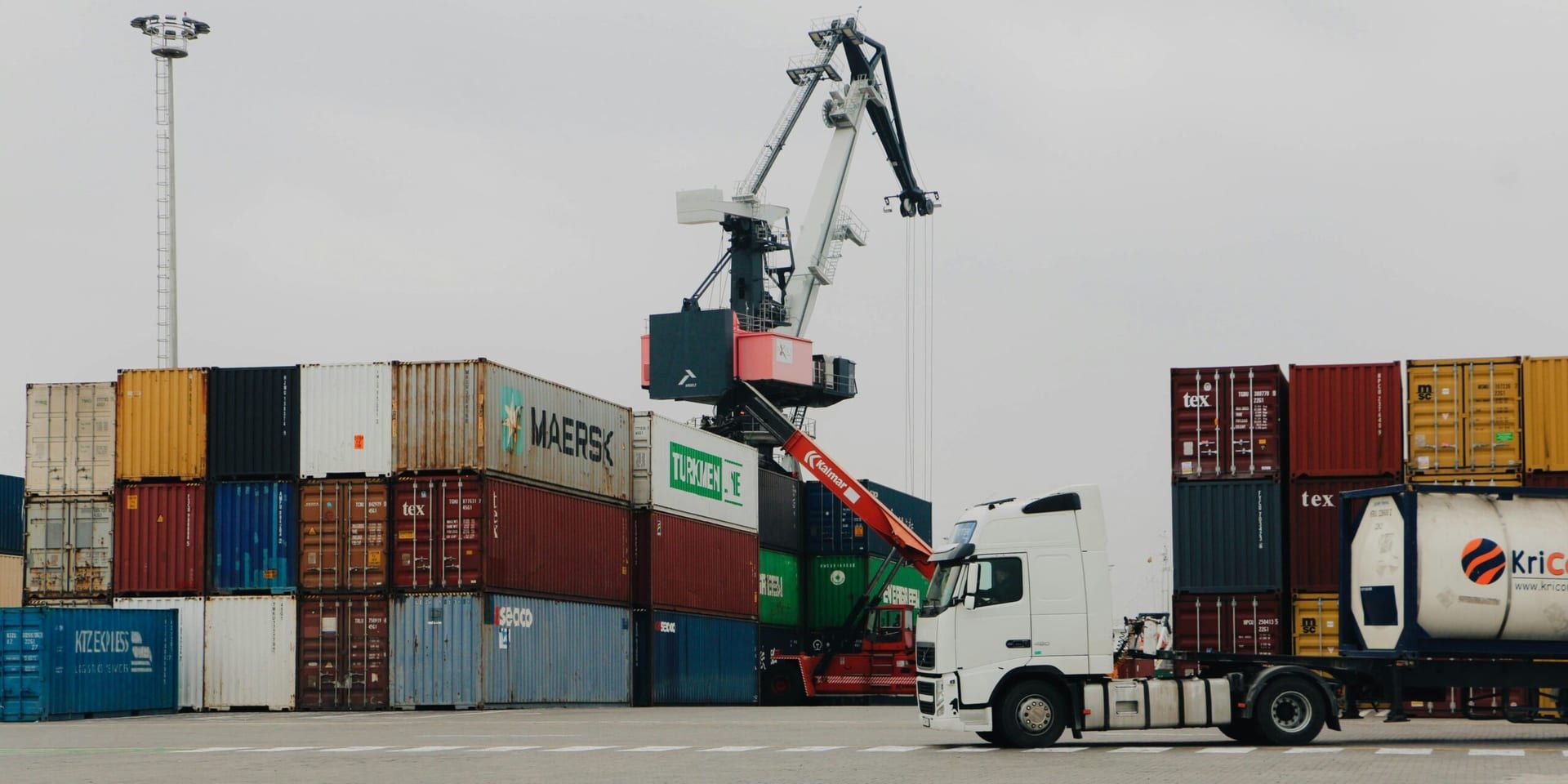
In a significant move signaling a possible de-escalation of tensions in the ongoing trade dispute between the United States and China, the U.S. government has extended tariff exclusions on a wide range of Chinese industrial and medical goods for another year. This decision, announced on November 26, 2025, came just days before the scheduled expiration of these exclusions on November 29. The extension provides vital relief to industries that rely on Chinese imports, helping to alleviate some of the cost pressures that have built up over the past few years of escalating trade tensions.
The tariff exclusions cover 14 categories of essential equipment used in solar-energy manufacturing, as well as 164 categories of industrial and medical components. These products include items such as electric motors, pump parts, air compressors, and circuit boards, which are critical to the production processes of various U.S.-based industries. By continuing to exempt these goods from tariffs, the U.S. government has ensured that manufacturers who depend on these imported components can avoid the added burden of higher costs, which could have disrupted their operations or led to increased prices for consumers.
For U.S.-based manufacturers, the extension of these tariff exclusions is especially important in sectors such as clean energy and medical equipment. The solar energy industry, which depends on specialized equipment for manufacturing, would have faced significant price increases if tariffs had remained in place. Similarly, manufacturers in the medical equipment sector, which relies on a steady supply of components like circuit boards and air compressors, would have experienced disruptions in production. By removing the financial strain of tariffs, the extension gives these industries more room to operate without the immediate threat of rising costs.
The decision to extend the tariff exclusions also highlights a broader sensitivity on both sides of the U.S.–China trade relationship to the economic consequences of continued trade barriers. While the U.S. has long maintained that tariffs are necessary to level the playing field with China, both countries have come to realize the toll that ongoing tariffs are taking on global supply chains and domestic manufacturing. The extension suggests that both Washington and Beijing are eager to avoid further economic fallout, particularly as the global economy continues to face challenges. By prioritizing economic stability, both nations have shown an interest in mitigating the disruptions caused by elevated tariffs.
This move comes at a time when many industries, both in the U.S. and abroad, are struggling with supply chain disruptions, rising costs, and inflationary pressures. For industries that rely on Chinese-made components, the extension of these tariff exclusions offers a vital reprieve. Manufacturers can now plan for the upcoming year with greater certainty, knowing that they won’t face sudden cost increases due to tariffs. This stability is particularly important as companies seek to navigate an increasingly volatile global market.
Looking ahead, the tariff relief marks an important moment in U.S.–China trade relations, suggesting that both nations are becoming more focused on finding common ground in order to sustain economic growth and stability. While the extension of tariff exclusions provides short-term relief, it also signals a recognition that the trade relationship between the two countries will require careful management going forward. The decision to grant an additional year of tariff relief is a step toward balancing economic interests and reducing the risk of further escalation in the trade dispute.
Ultimately, the move to extend the tariff exclusions is a reflection of both nations’ understanding that economic stability and cooperation are essential for continued growth. As the global economy faces new challenges, maintaining open and functional trade relationships will be crucial for ensuring that businesses can continue to thrive. The decision to provide tariff relief in this instance represents a cautious but optimistic step toward managing the complexities of international trade in an increasingly interconnected world.

Leadr Magazine Contributor
Ivan Petrosyan
Covers global markets and corporate finance, mapping the trends moving capital across borders.
This article features partner, contributor, or branded content from a third party. Members of the Leadr Magazine editorial staff were not involved in the creation of this content. All views and opinions are those of the contributor alone.
Related Posts
Irix Makes Written Language Easier To Understand Vallejo Relief Center: Highway 80's Cultural Hub
 David Wortley Brings AI Warning To Oxford World Leaders