


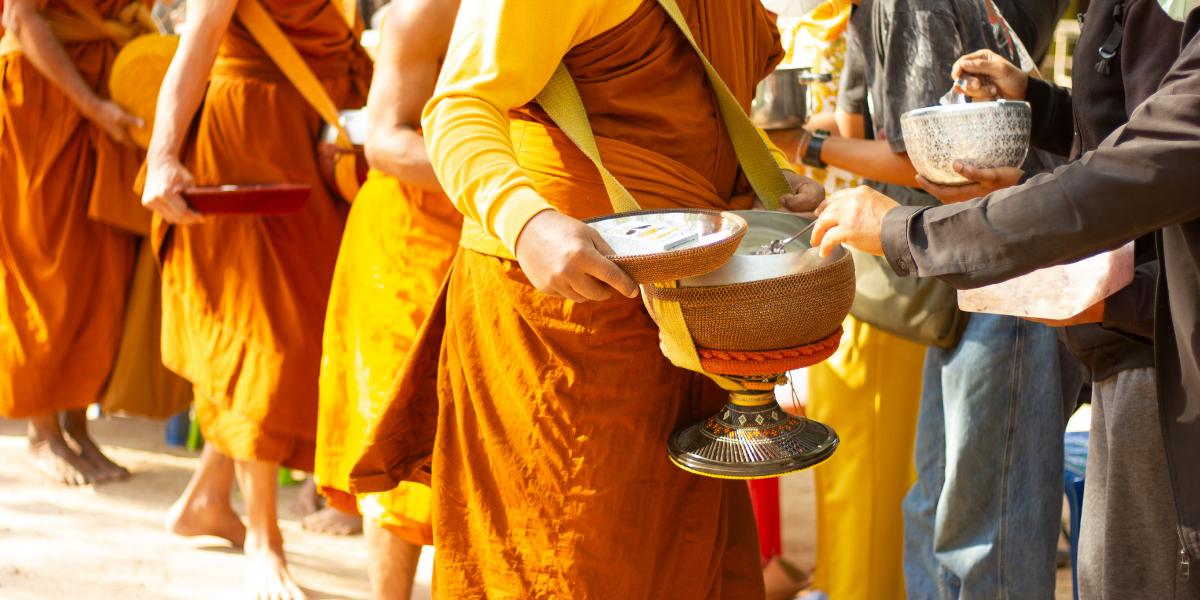
On February 3, 2026, a large and inspiring public demonstration of resilience and unity unfolded in Richmond, Virginia, as around 10,000 people lined the streets to welcome a group of 19 Buddhist monks participating in a long‑distance peace walk that began in Fort Worth, Texas, and is scheduled to conclude in Washington, D.C. later this month. The event, part of what organizers are calling the “Walk for Peace,” represents a rare and powerful moment of collective reflection on harmony, compassion, and community at a time when many Americans are searching for new avenues of connection and common purpose.
The monks, dressed in traditional bright orange robes, completed 100 days of walking through diverse regions of the United States before entering Richmond, where police officers temporarily cleared major city intersections to ensure their passage. Residents braved freezing weather to witness the procession, offering flowers, cheers, and heartfelt words of encouragement to the walkers. The reception underscored widespread curiosity and support for peaceful collective action, even among observers unfamiliar with Buddhist traditions.
The Richmond stop was not only a logistical milestone—it was a symbolic one. The city’s State Capitol provided a striking backdrop for an event marked by simple yet resonant values. Unlike many public gatherings that emphasize protest or political advocacy, this walk emphasizes mindfulness, unity, and an open‑hearted appeal to shared humanity. Officials such as Virginia Governor Abigail Spanberger and Richmond Mayor Danny Avula offered public praise for the initiative, framing it as an inspirational moment for residents and visitors alike.
A Journey of Purpose and Presence
This initiative is not simply a physical challenge. Walking thousands of miles consecutively through varying terrain and climates demands a deep commitment to endurance and reflection—a testament to the monks’ discipline and intentional leadership. In many spiritual traditions, including the one these monks embody, walking is a form of meditation: a practice that requires attention, steadiness, and an open mind. For participants and observers alike, the march thus becomes both a physical and psychological exercise in patience, resilience, and presence.
Organizers have stressed that the walk is not aligned with any specific political agenda. Instead, it is grounded in values that transcend partisanship: peaceful coexistence, mutual respect, and recognition of shared human dignity. These themes have resonated in a country often characterized by polarization, reminding participants and onlookers that leadership can take many forms—sometimes least visibly through quiet persistence rather than loud proclamation.
Community Engagement and Collective Reflection
The Richmond event drew a diverse crowd. Many were locals who saw the walk as an opportunity to engage in a communal experience outside of routine social and political affiliations. Some held signs with messages of peace and unity; others simply brought warm beverages and flowers to share with the walkers. Law enforcement officers along the route paused to interact with the monks and their supporters, creating an atmosphere of cooperation and mutual respect rather than tension or conflict.
Participants described the walk as more than a symbolic act: it was, in many ways, a catalyst for personal reflection. For some, witnessing the monks’ dedication encouraged introspection about how peace and compassion appear in their own lives—whether at work, in families, or within broader communities. In an era when leadership conversations frequently focus on organizational performance, strategy, and outcomes, this event drew attention to inner leadership qualities such as patience, humility, and integrity.
Leadership Lessons From the Road
What can leaders—and anyone interested in personal or organizational growth—take from an event like this?
- Consistency Builds Credibility: The monks have walked steadily since October, a reminder that sustained action often garners deeper respect and influence than episodic gestures.
- Presence Trumps Persuasion: Rather than seeking to convince or coerce, the walkers embody their message through consistent, humble action. Leaders can apply this by aligning daily behaviors with core values.
- Engagement Without Agenda: By focusing on shared human values rather than divisive topics, this walk attracted a broad demographic of support. Inclusive leadership often begins with shared experiences before policy positions.
- Community as Catalyst: The richness of the crowd’s response highlights how communal settings enhance individual reflection and collective belonging. Leaders who cultivate spaces where individuals feel connected are better positioned to inspire sustained engagement.
As the Walk for Peace continues toward Washington, D.C., its route through small towns and major cities alike will continue to serve as a living example of how intentional actions can open doors to reflection and connection. Whether the journey culminates in a particular political, social, or spiritual outcome is secondary to the visible demonstration that community gatherings anchored in peace can draw thousands eager for connection and hope.
In an age where public life often emphasizes conflict and division, this event offers a contrasting narrative—one rooted in shared values, mutual respect, and a profound belief in the potential for unity through sustained, peaceful action.
