


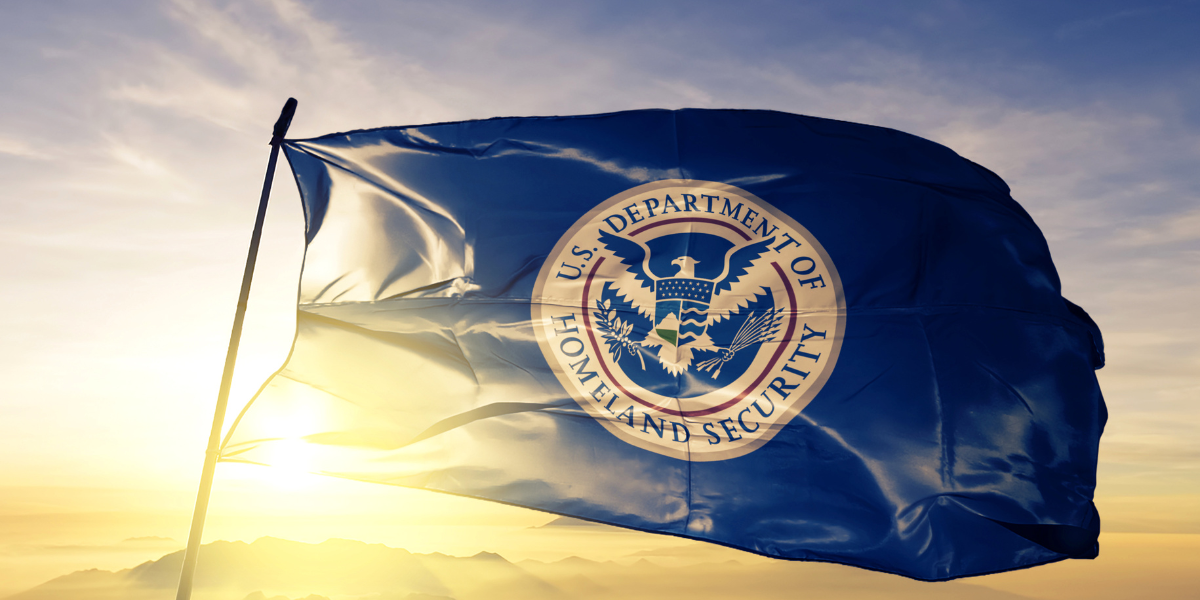
Markwayne Mullin has officially been confirmed as the next U.S. Secretary of the Department of Homeland Security (DHS).
In a close vote that concluded on Tuesday, the U.S. Senate approved Mullin’s appointment by a margin of 54 to 45. He succeeds Kristi Noem, whose tenure drew intense scrutiny amid debates over immigration enforcement and departmental performance.
Mullin, previously a Republican U.S. Senator from Oklahoma, now leads a department responsible for border security, disaster response coordination, counterterrorism efforts, transportation security functions, and more. His confirmation comes at a moment of sustained operational challenges for DHS, including the ongoing lapse in full federal funding for the department that has impacted the Transportation Security Administration (TSA) workforce.
Context and Strategic Importance
The leadership shift at DHS is consequential for national operations at multiple levels:
- Government Continuity and Funding: The department remains partially unfunded due to a prolonged budget stalemate in Congress. Key functions such as airport security have been strained as some units operate under constrained appropriations.
- Border and Security Enforcement: DHS oversees U.S. Customs and Border Protection and Immigration and Customs Enforcement (ICE). Its policies have been central to ongoing public debates over border management, civil liberties, and federal enforcement priorities.
- Operational Leadership: As secretary, Mullin will be responsible for balancing administrative continuity with strategic change. Sources note his efforts to articulate a managerial approach grounded in collaboration and accountability, including enhanced oversight protocols for enforcement operations.
For a leadership readership, the confirmation illustrates the dynamics of executive agency leadership during periods of institutional stress and political negotiation. It also underscores how top civil service roles are shaped by legislative priorities, operational demands, and public expectations of performance.
Federal Workforce and Public Services
Federal operations in transportation security continue to experience stress due to funding disputes.
While DHS leadership changes on Capitol Hill have been underway, TSA personnel in airports across the country have reported staffing shortages that lead to long passenger lines. To support airport operations, ICE personnel were detailed to assist with non‑screening duties at major hubs including JFK in New York and others.
This situation reflects how budgetary impasses can have tangible effects on service delivery in everyday life and highlights the importance of sustainable funding mechanisms for essential government functions.
Broader Economic Signals, Mortgage Rates and Oil Prices
Financial indicators in major U.S. markets on March 24 show shifts with potential implications for business planning and capital allocation.
- Mortgage Rates: Average 30‑year fixed mortgage rates in the United States have edged upward, influencing both consumer borrowing costs and housing market dynamics.
- Oil Prices: Global crude oil prices have climbed back above $100 per barrel, driven by international geopolitical developments and supply concerns. This trend can affect energy costs, transportation expenses, and broader inflationary pressures that companies and households factor into strategic planning.
For business leaders and strategic planners, monitoring these indicators helps shape forecasting, capital budgeting, pricing strategies, and risk assessments.
Significance and Key Takeaways
The developments of March 24, 2026, reflect a confluence of leadership change within a major federal department, operational challenges in public services, and movements in critical economic indicators. These elements matter to audiences interested in governance performance, organizational leadership, economic planning, and public sector influence on business environments.
Key insights for leadership and strategy audiences include:
- Leadership transitions at the helm of major public agencies shape policy orientation and internal culture, particularly in contexts of controversy and performance pressures.
- Operational continuity depends on sustainable funding and clear strategic priorities, as seen in the ongoing challenges visible at TSA and DHS.
- Economic signals such as interest rates and commodity prices remain integral to strategic planning across sectors.
- Government leadership appointments and budgetary decisions filter quickly into everyday national services, highlighting the interconnectedness of policy decisions and operational outcomes.
By observing how institutional leadership and macroeconomic trends unfold, leaders can better position their organizations for resilience and adaptive strategy in complex operational environments.
