




 Menopause Is Not the End. It Is an Initiation.
Home»Leadership»From the Deckplate to the Frontline: Why Corporate America is Failing …
From the Deckplate to the Frontline: Why Corporate America is Failing New Managers and the Navy Chief Fixing It
Agile Leadership Learning helps new managers transition from technical roles to leadership with practical tools, real world training, and no fluff guidance.
Agile Leadership Learning and the Accidental Manager
On a Monday morning that should have felt routine, a newly promoted supervisor sits at their desk with a title they once wanted and a feeling they did not expect. The promotion arrived on Friday. By Monday, everything has changed. Former peers now look to them for direction. Problems they never had to solve now land directly on their desk. There is no manual, no guide, and no room to hesitate.
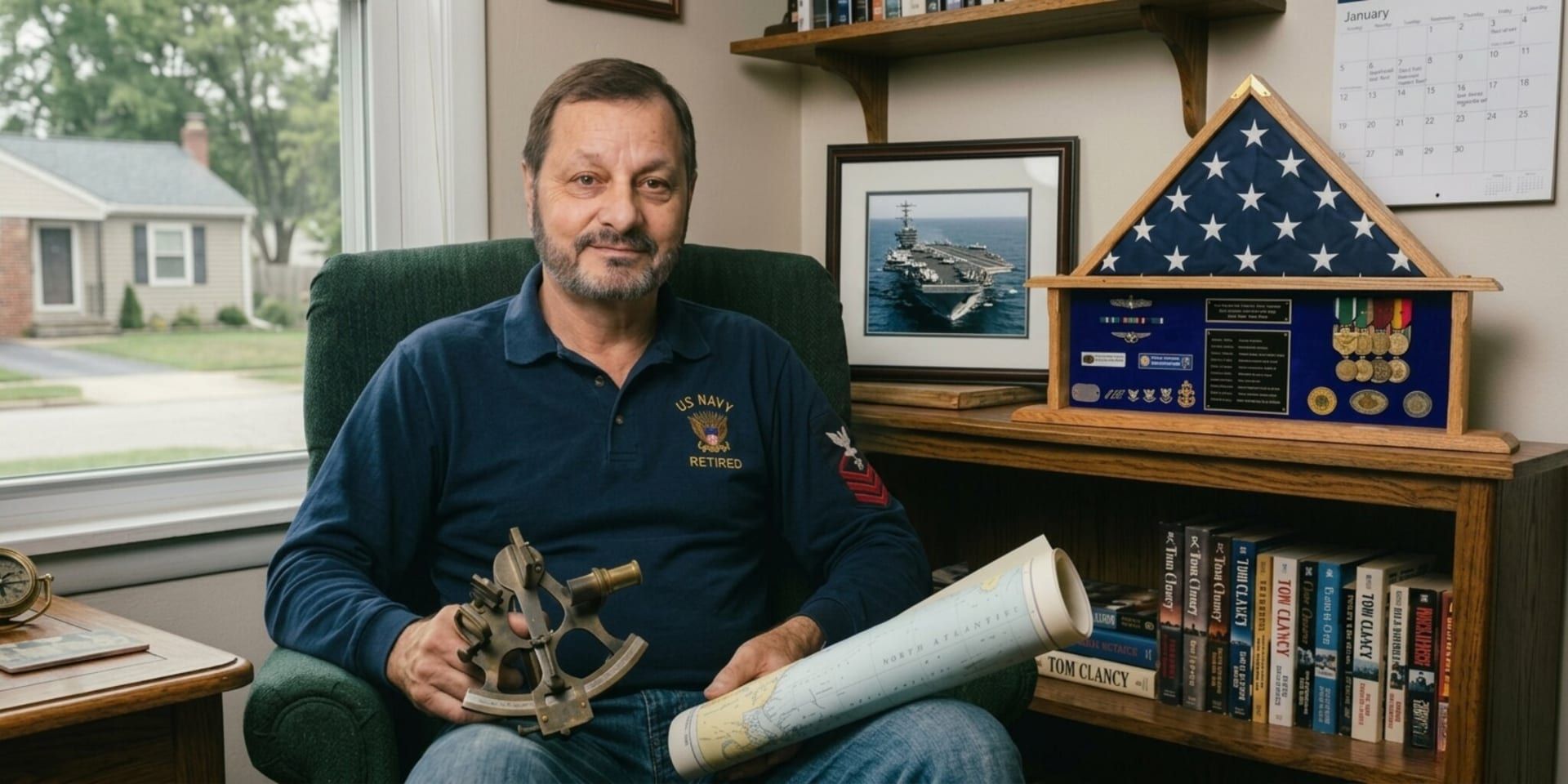
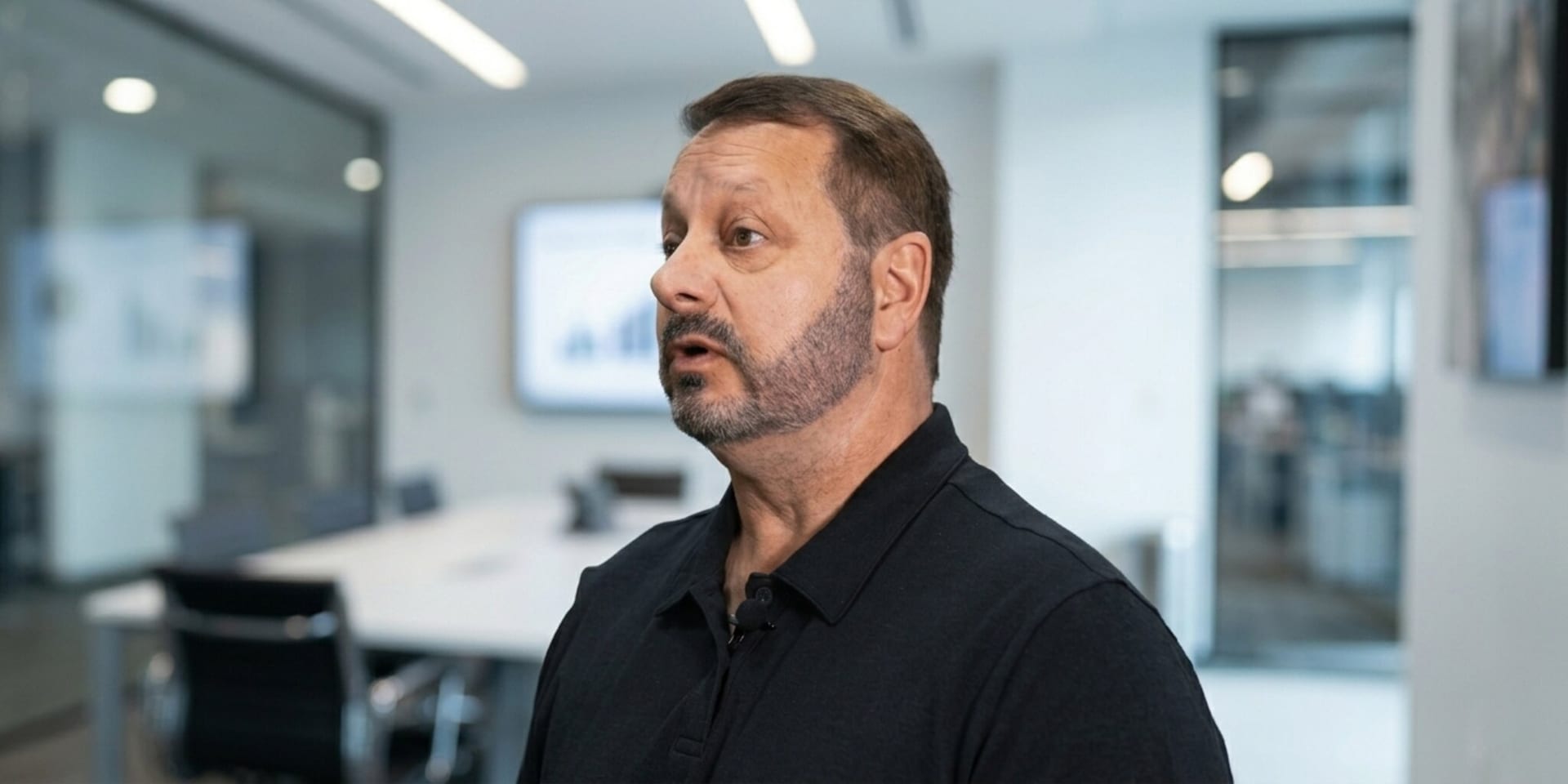
This is the exact gap that Agile Leadership Learning was created to close. It exists for the newly promoted manager 6 – 24 months in role; the highly skilled technician or professional who was rewarded for excellence in execution and suddenly asked to lead people without preparation for the emotional and operational weight that comes with it. At the center of this mission is Phillip Henslee, whose career spans decades of leadership in environments where performance was not optional and clarity mattered more than theory.
Built From Real Leadership, Not Theory
The story of Agile Leadership Learning does not begin in a lecture hall or corporate seminar room. It begins on the deckplates of the United States Navy, where leadership was not abstract and consequences were immediate.
For twenty years, Phillip Henslee served and retired as a Chief Petty Officer, responsible for complex systems and the people operating them. In that environment, leadership meant trust, discipline, and clarity under pressure. Later, at the Center for Naval Leadership, he helped train first line leaders who were stepping into responsibility for the first time, often without preparation or guidance.
That experience revealed a pattern that would follow him into civilian industries for the next two decades. Whether in semiconductor manufacturing, shipbuilding, retail operations, or alternative energy, the same issue repeated itself. Brilliant technical contributors were promoted into leadership roles and left to figure it out alone. There was no bridge between technical mastery and people leadership. Agile Leadership Learning was built to become that bridge.
The Problem of the Friend to Leader Transition
One of the most difficult shifts in any career is the transition from peer to leader. It is not just a change in title. It is a change in identity. Most new managers struggle not because they lack intelligence, but because they lack a framework for handling the human side of leadership. They avoid difficult conversations. They fall into micromanagement. They try to stay liked instead of becoming effective. Over time, this creates burnout, confusion, and disengaged teams.
Agile Leadership Learning focuses directly on this moment. It does not overwhelm managers with abstract theory. Instead, it provides practical tools for real situations such as giving feedback without anxiety, setting expectations without conflict, and building respect without losing authenticity. The philosophy is simple. If it cannot be used in a team meeting tomorrow morning, it does not belong in the training.
[IMAGE: https://bizweekly.com/wp-content/uploads/2026/05/download-1-53.jpg]
Learn Grow Succeed in Practice
The operating philosophy behind Agile Leadership Learning is built on three actions: Learn, Grow, Succeed. Learn: You stop pretending you know everything and gather the data/help. Learn focuses on immediate application. Managers are given tools they can use right away, not concepts they need to decode later. Grow: You build the necessary muscle memory and capacity. Grow focuses on mindset. It helps leaders move from doing the work themselves to guiding others to do the work effectively. This shift is often the hardest part of becoming a manager.
Succeed: The natural result of the first two steps. Succeed focuses on outcomes. When leadership improves, teams perform better, turnover decreases, and careers advance with clarity and confidence. This structure removes unnecessary complexity and replaces it with practical execution.
A Leadership Ecosystem Built for Real Managers
Agile Leadership Learning is not a single course. It is a structured ecosystem designed to support managers at different stages of their journey. The first step is a free entry resource called First 30 Days as a New Supervisor. It is designed to stabilize the early transition period when most managers feel the most overwhelmed.
From there, learners can access the Agile Leadership Library, a comprehensive digital membership with structured lessons on communication, feedback, motivation, and team dynamics. It is designed for self paced learning without corporate overhead or unnecessary complexity.
For those who want deeper transformation, the Manager to Leader Accelerator Program offers a blended learning solution of online learning and live cohort session training, and a structured leadership action plan. It is designed for managers who want accountability and real time development rather than passive learning. Each layer is built to meet managers where they are, not where corporate training assumes they should be.
What Makes Agile Leadership Learning Different
Most leadership development programs fall into one of two categories. They are either overly academic or overly generic. They rely on corporate buzzwords or high level frameworks that collapse under real world pressure.
Agile Leadership Learning occupies a different space entirely. It is built from lived experience in high pressure environments where leadership was tested daily. It specializes in the most overlooked segment of leadership development, the first line manager who has just stepped out of a technical role and into responsibility for people.
It avoids jargon and replaces it with usable language. It avoids theory overload and replaces it with action. Most importantly, it recognizes that leadership is not about personality. It is about skill. As Phillip Henslee often explains in his training approach, leadership is not an extension of technical excellence. It is a completely different discipline that must be learned deliberately.
A Direct Approach to Leadership That Works
Many new managers describe a similar feeling. They know what needs to be done, but they are unsure how to say it, when to say it, or how it will be received. That hesitation creates distance between leaders and teams.
Agile Leadership Learning addresses this directly by focusing on clarity over complexity. It teaches managers how to have direct conversations, set boundaries without tension, and lead without micromanaging. The goal is not to create perfect leaders. The goal is to create effective ones who can sustain performance without burning out themselves or their teams.
For professionals ready to move beyond trial and error and into structured leadership growth, explore Agile Leadership Learning and its full development ecosystem. Start with foundational guidance, build through structured learning, and advance into live coaching designed to turn accidental managers into capable leaders who can hold the line and elevate their teams.
Discover more at:
Agile Leadership Learning
Agile Leadership Learning Online Portal
Agile Leadership Learning LinkedIn
Agile Leadership Learning Facebook
Agile Leadership Learning YouTube

Leadr Magazine Contributor
Ashley Franklin
Covers entrepreneurship, branding, leadership, and emerging companies.
This article features partner, contributor, or branded content from a third party. Members of the Leadr Magazine editorial staff were not involved in the creation of this content. All views and opinions are those of the contributor alone.
Related Posts
Menopause Is Not the End. It Is an Initiation. How Campfire Company Rebuilds Teams In Nature
 Tony Vlahovic: One Dream, One Team, No Limits