


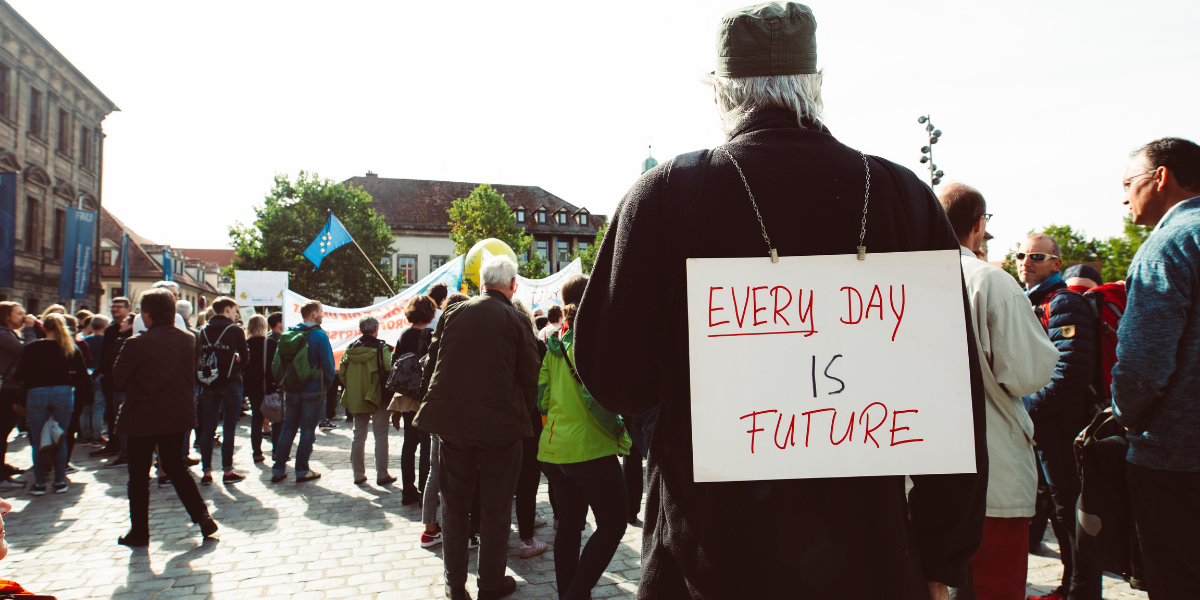
On Saturday, February 7, 2026, thousands of young workers and labor advocates gathered in Washington, D.C., for the Young Worker March on Washington, a large‑scale demonstration aimed at drawing national attention to the economic pressures and systemic challenges facing younger generations in the United States. Organized by major labor federations and allied organizations, the event marks a significant moment in contemporary labor history, reflecting shifting workforce dynamics, rising costs of living, and growing calls for equitable economic policies.
The march, which began near the Hyatt Regency Washington on Capitol Hill and proceeded to the United States Capitol, brought together a coalition of unions, worker advocacy groups, student organizations, and civil rights groups. Participants sought to amplify demands for meaningful improvements in employment conditions, wages, and economic security for workers under the age of 40.
Organizers, Coalition, and Purpose
The Young Worker March was spearheaded by the American Federation of Government Employees (AFGE) and supported by the American Federation of Labor and Congress of Industrial Organizations (AFL‑CIO), alongside key partners including the National Association of Letter Carriers, National Nurses United, and the NAACP Youth & College division.
The coalition’s goals reflect the complex realities facing many young Americans. Organizers highlighted interconnected issues such as:
- Affordability challenges across housing, food, and healthcare
- Stagnant wages that fail to keep pace with inflation
- Rising student debt and limited access to affordable education
- Lack of universal childcare and early education support
- Barriers to unionization and collective bargaining for younger workers
These focus areas culminated in a set of specific demands, ranging from a federal living wage with inflation adjustments to expanded healthcare access and affordable housing programs.
Turnout, Atmosphere, and Participation
Although precise attendance figures are still being compiled, reports from event organizers and participating unions suggest a robust turnout that included young professionals, students, labor advocates, and community allies. Union representatives and speakers took the stage at the rally point near the Capitol, emphasizing both economic and social dimensions of the labor challenges facing their generation.
The event was marked by a spirited atmosphere of solidarity and determination, with participants carrying signs, chanting slogans, and sharing personal stories about the impact of economic insecurity on their futures. Many speakers underscored the urgency of translating widespread dissatisfaction into sustained civic and workplace engagement.
Significance and Broader Context
The Young Worker March on Washington comes at a time when discussions about the future of work, wage growth, and generational equity are increasingly prominent in public discourse. Recent labor market trends have underscored the economic pressures on younger workers: housing affordability has tightened in many metropolitan areas, student loan balances remain high for millions, and wage gains have not consistently kept pace with inflation in many sectors. While government labor statistics and economic indicators provide essential data on employment trends, the march helped humanize and spotlight these issues through grassroots advocacy.
The involvement of prominent labor unions and civil rights organizations also highlights a broader coalition approach that connects economic justice with longstanding struggles for equity and inclusion. This reflects a renewed interest in collective action among younger generations, especially in light of historic labor movements that have shaped U.S. economic policies in the past.
Key Takeaways
- Emerging Labor Movement: The march underscores a growing willingness among younger workers to organize and advocate for structural changes in the economy, from wage policy to social supports.
- Coalition Building: The participation of diverse organizations, from trade unions to civil rights chapters, demonstrates a multifaceted approach to addressing systemic challenges facing young workers.
- Economic Security as a Central Issue: The demonstration highlighted how economic insecurity, from healthcare costs to housing affordability, remains a defining concern for many young Americans.
- Momentum for Policy Dialogue: By bringing these issues to the nation’s capital, organizers aimed to elevate their relevance in conversations with policymakers, employers, and broader civil society.
As the Young Worker March on Washington concludes, its legacy will likely extend beyond the event itself, contributing to ongoing dialogues about workforce equity, economic opportunity, and the conditions necessary for future generations to thrive in the American economy.
