


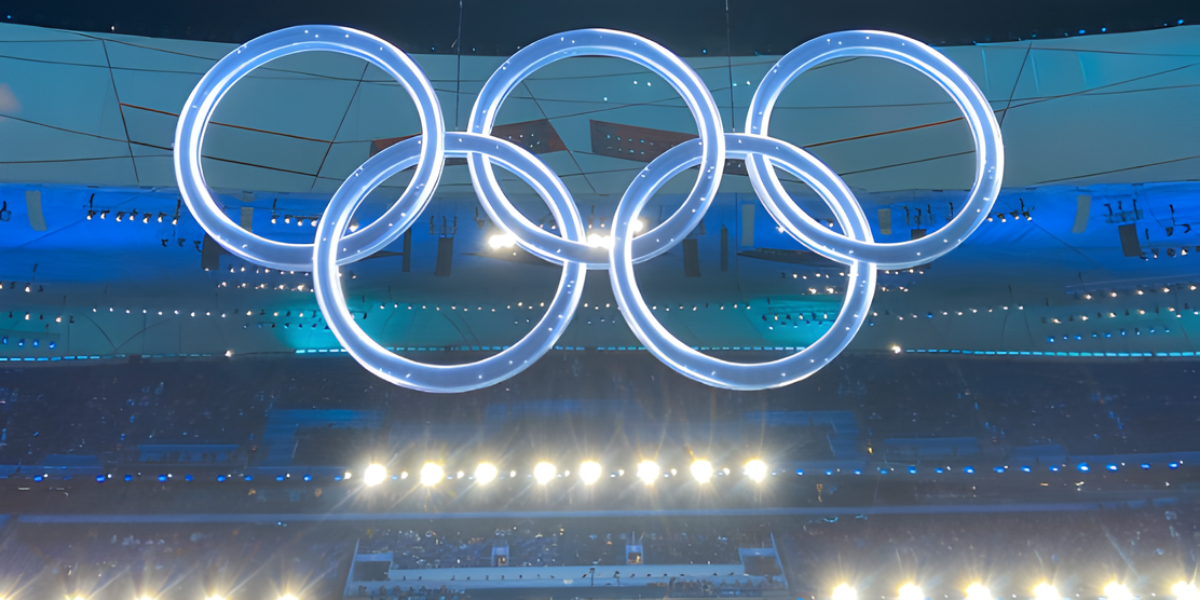
On February 6, 2026, a significant moment unfolded for the United States as the nation officially commenced its participation in the 2026 Winter Olympic Games in Milan and Cortina d’Ampezzo, Italy, a major global sporting event with broad cultural and leadership implications for athletes, teams, and organizational leaders alike. The opening of the Winter Olympics is one of the most prominent international gatherings of sport and strategy, spotlighting disciplines from figure skating and hockey to alpine skiing and bobsled. This year marks the 25th Winter Olympic appearance for the United States, with the first competitions and ceremonial events taking place on this date.
Historic Opening and Team USA’s Entry
The 2026 Winter Olympics officially began on February 6, 2026, with the opening ceremony marking the formal commencement of the Games in Italy. The United States Olympic & Paralympic Committee (USOPC) led a contingent of 232 athletes, representing 16 distinct sports, through the traditional Parade of Nations. Two distinguished American athletes, Frank Del Duca, a bobsledder, and Erin Jackson, a speed skater, had the honor of being the U.S. flagbearers during the procession, a role that underscores both athletic excellence and national representation on the global stage.
This ceremonial moment is more than a pageant; it symbolizes teamwork, resilience, and the pursuit of excellence, values that resonate deeply with business leaders and organizations focused on high performance and strategic planning. For leaders in any field, the Olympics represent a model for United States competitiveness and collaborative achievement on the world stage.
Significance of the 2026 Games
The Winter Olympics, held every four years, consistently draw international attention not only for sporting competition but also for their broader social and economic impact. Hosting and participating nations invest significant resources to prepare athletes, support infrastructure, and nurture global engagement. For the United States, the 2026 participation underscores several key themes of leadership and organizational preparedness:
- Strategic Talent Development: U.S. athletes undergo years of specialized training, combining physical excellence with mental preparation. The development pipeline mirrors leadership development strategies in business, identifying and nurturing talent early, investing in world-class coaching, and aligning individual performance with team objectives.
- Cultural Diplomacy: Sporting events like the Olympics foster global connections that transcend borders. In professional environments, leaders can draw lessons from such international cooperation to strengthen cross-cultural collaboration and build organizational inclusivity.
- Brand and Reputation: The United States’ Olympic presence enhances national branding on the global stage. Similarly, corporate leaders are increasingly focused on reputation management, stakeholder engagement, and aligning missions with societal values, a parallel to how Olympic teams cultivate their image and impact.
- Operational Excellence: Logistics behind sending a large team to an international event require meticulous planning, resource allocation, and risk management, skills that are equally vital in corporate strategy and large-scale project execution.
Early Competition and Anticipated Events
Although the opening ceremony is symbolic, competition in some events kicks off almost immediately thereafter, with figure skating and speed skating among the early highlights. U.S. figure skaters and other athletes compete not only for medals but also to cement legacies and inspire future generations of sportspersons and leaders alike. These performances offer compelling case studies in peak performance, pressure management, and adaptability, competencies that corporate executives and emerging leaders continuously cultivate.
Moreover, media coverage and audience engagement around the Olympics provide insight into storytelling and communication strategies. The ways that athletes’ narratives are shared, how sponsors align with values, and how broadcasters package content all offer rich learning for professionals in branding, marketing, and digital strategy.
Broader Context and Leadership Lessons
The Winter Olympics serve as more than an athletic spectacle; they are a living laboratory of human potential, organizational capability, and strategic execution. For readers of LeadrMagazine.com, the Olympics offer several leadership takeaways:
- Purpose-Driven Performance: Athletes perform not only for personal accomplishment but also for national pride and collective aspiration, paralleling mission-driven leadership in organizations.
- Adaptive Strategy in Competition: Athletes and coaches continuously adjust tactics in real time, a reminder for leaders to remain agile and responsive in dynamic business environments.
- Resilience Under Pressure: Olympic competition exemplifies how preparation and mental endurance contribute to success even under intense scrutiny, an invaluable lesson for professionals at all stages of their careers.
As the United States continues its Olympic journey through the remainder of the Games, the experiences of Team USA will continue to unfold with countless stories of triumph, challenge, and inspiration that mirror the complexities of leadership, teamwork, and strategic excellence.
