


The 2025 holiday shopping season has proven to be a historic period for the American retail industry, with total sales during the Thanksgiving-to-Christmas window projected to exceed $1 trillion for the first time in U.S. history. This landmark achievement underscores not only the enduring strength of American consumerism but also the ability of retailers to meet year-end demand through both digital innovation and traditional in-store experiences. The milestone figure, according to preliminary estimates from retail analysts and financial reporting agencies, reflects a combination of strong online and in-person sales activity, fueled by heavy promotional strategies, early shopping trends, and extended retail hours.
This year’s holiday season marked a turning point in the evolution of post-pandemic consumer behavior. Despite inflationary pressures and broader economic concerns, Americans turned out in record numbers—both physically and digitally—to shop for gifts, household items, and seasonal goods. From major department stores and big-box retailers to independent shops and e-commerce platforms, sales surged across virtually all sectors. Retailers began offering discounts and holiday deals earlier than ever in an effort to spread out consumer spending over several weeks. The strategy not only helped reduce last-minute shopping bottlenecks but also appeared to stimulate more sustained engagement throughout November and December.
Cyber Week played a particularly important role in driving this year’s record-breaking performance. Events such as Black Friday and Cyber Monday saw massive online participation, with retailers reporting unprecedented web traffic and mobile transactions. Consumers used price comparison tools, browser extensions, and deal alerts to track the best offers, taking advantage of competitive pricing on electronics, apparel, toys, and household goods. Digital platforms that use artificial intelligence and machine learning to personalize shopping experiences helped retailers convert browsing into purchases at higher rates than in previous years.
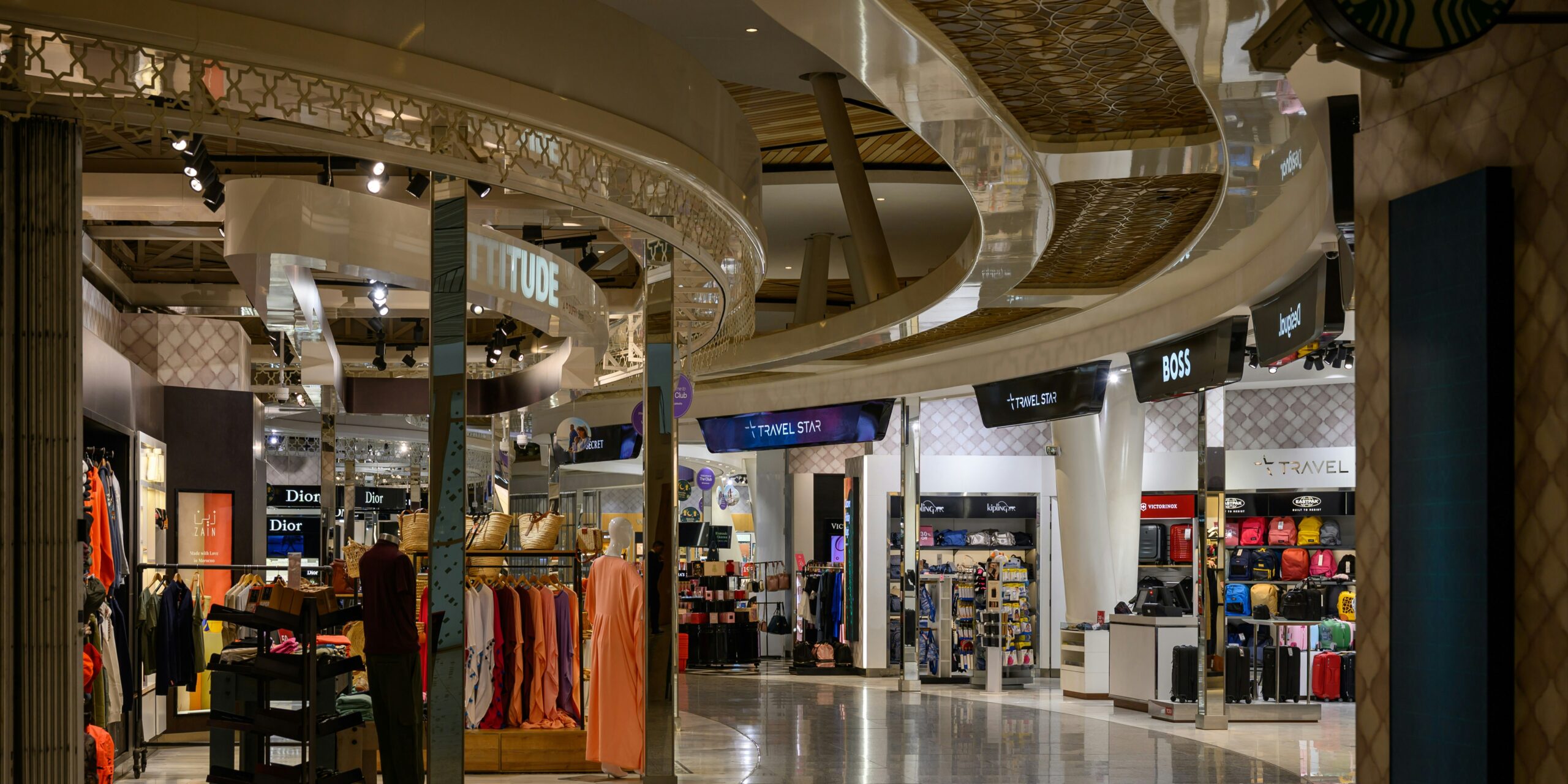
While e-commerce was instrumental in boosting the sales total, physical retail locations also saw a resurgence. Shoppers returned to malls, local boutiques, and major retail chains, especially during the final two weeks leading up to Christmas. In-store experiences, including holiday displays, live music, and community events, drew foot traffic back to brick-and-mortar environments. Retailers that blended digital services with in-person convenience—such as curbside pickup and same-day delivery—benefited from the hybrid nature of modern shopping preferences.
However, beneath the surface of this impressive milestone, there are growing concerns among economists and financial analysts about the sustainability of such high levels of spending. Much of the holiday purchasing was reportedly supported by credit and financing tools, especially “buy now, pay later” plans that allow consumers to defer payments over weeks or months. While these services have become increasingly popular, they also carry the risk of masking financial strain and inflating short-term purchasing power. Experts warn that the rise of installment-based consumer debt could pose long-term risks if not matched by future income growth or careful financial planning.
Furthermore, inflation likely played a role in pushing the overall sales figure beyond the trillion-dollar mark. Higher prices on goods, including essentials like groceries and apparel, mean that total sales values may not fully reflect an increase in the volume of items purchased. In other words, consumers may have spent more without necessarily buying more. This nuance is critical for interpreting what the sales numbers truly mean in terms of economic health and household financial stability.
Another key factor in the season’s success was the efficiency and adaptability of the U.S. retail supply chain. After several years of disruptions due to global logistics issues, many companies invested in technology and operational improvements that allowed for smoother order fulfillment and inventory management. Retailers used advanced analytics and real-time tracking to forecast demand and avoid overstocks or stockouts, which in turn improved customer satisfaction and repeat engagement.
As the holiday season winds down, attention now turns to January earnings reports, which will offer more precise insight into profit margins and post-holiday consumer behavior. While strong sales numbers are encouraging, they must be weighed against rising costs, return volumes, and markdowns that often occur in early January. Additionally, how businesses manage inventory rollover and customer returns could have significant implications for overall profitability.
The trillion-dollar threshold is more than a symbolic achievement—it is a reflection of how deeply entrenched retail remains in American culture and economic activity. It demonstrates that, despite financial headwinds, consumer spending continues to drive growth. Yet it also signals a need for careful monitoring of household debt, corporate balance sheets, and market sustainability moving forward.
The 2025 holiday retail season will likely be remembered as a defining moment in the modern history of American commerce. Whether it sets a precedent for future years or proves to be an outlier remains to be seen. For now, it represents a powerful snapshot of a consumer-driven economy in full swing, powered by tradition, technology, and a resilient appetite for spending.
