


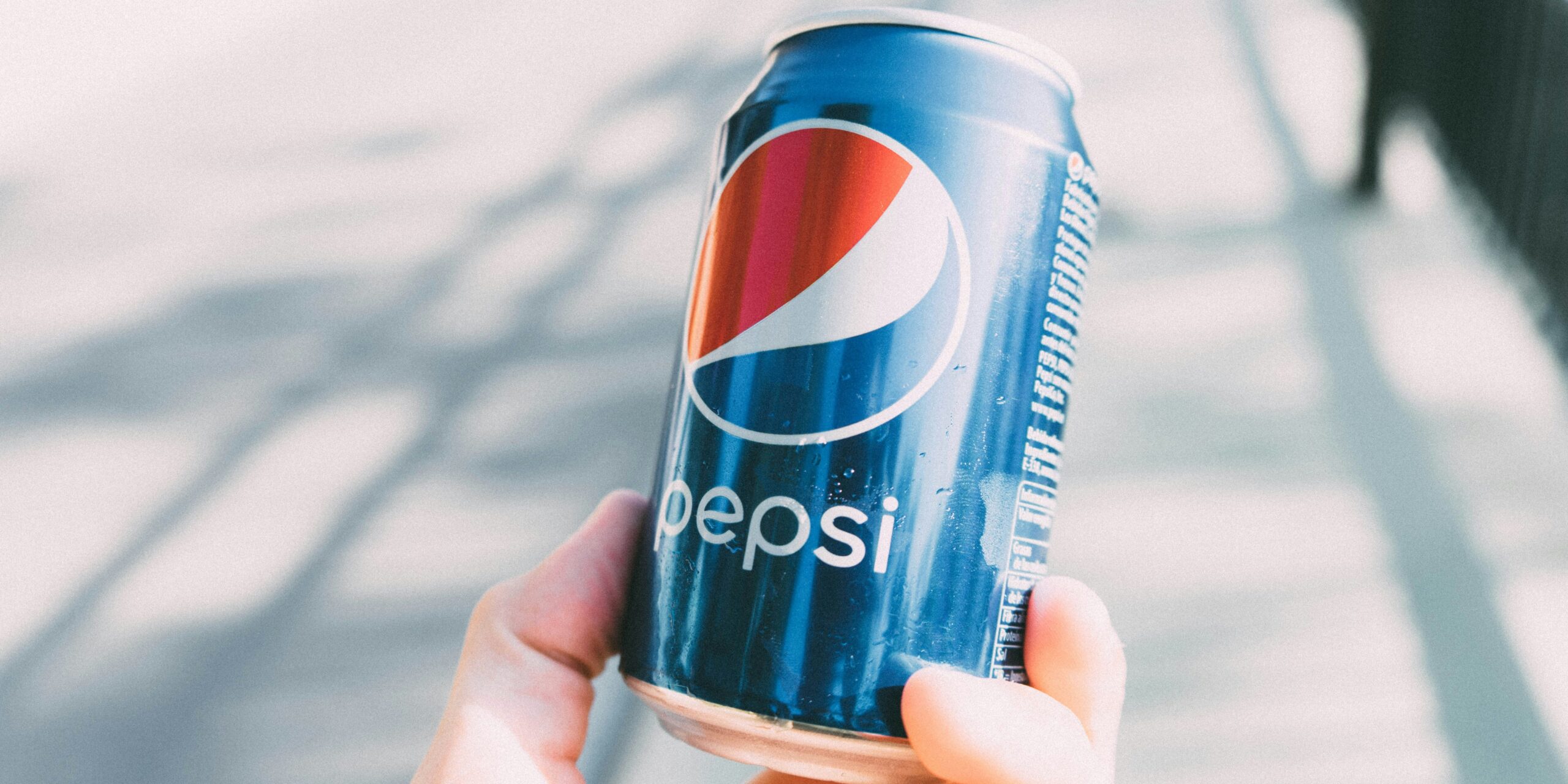
In a strategic move that highlights its commitment to global integration and operational agility, PepsiCo announced a sweeping executive leadership realignment on December 19, 2025. The changes mark a pivotal moment for the multinational food and beverage giant as it prepares for a new selling structure in 2026 aimed at strengthening its global market position and enhancing long-term growth.
At the heart of the restructuring is Steven Williams, who has served as CEO of PepsiCo North America since 2019. Williams will transition into a newly created role as Executive Vice President and Vice Chairman, Global Chief Commercial Officer and Corporate Affairs. In this capacity, he will lead PepsiCo’s efforts to build a more unified, global selling organization. His responsibilities will span both commercial operations and corporate affairs, with a focus on harmonizing PepsiCo’s go-to-market strategies across regions, expanding the company’s footprint in international markets, and overseeing engagement with key stakeholders including customers, regulators, and communities.
Williams’ promotion represents a strategic pivot toward consolidation of leadership functions that have traditionally been divided by geography. By integrating commercial operations under one global leader, PepsiCo aims to respond more effectively to rapid changes in consumer preferences, economic pressures, and competitive threats. This move also reflects a broader trend among global corporations to adopt leaner, more agile management structures that leverage digital technologies and data-driven insights.
With Williams stepping into the global role, Ram Krishnan will assume the position of CEO of PepsiCo North America. Krishnan brings decades of experience within the company, having held leadership roles across beverages, foods, and international business development. His new mandate includes deeper integration of PepsiCo’s traditionally separate food and beverage divisions in the region. The goal is to create a more cohesive, efficient, and customer-focused operation that can quickly adapt to market demands.
PepsiCo plans to pilot this integration model in select regions, beginning with the Texoma area, where a combined operational structure for foods and beverages has already been tested. By aligning sales, marketing, and supply chain functions across product categories, PepsiCo aims to improve service levels, reduce complexity, and unlock new sources of growth.
Supporting Krishnan in this transformation are several key leaders within the North American division. Rachel Ferdinando will continue to lead the U.S. Foods Category, maintaining focus on innovation and portfolio expansion. Mike Del Pozzo, currently a senior executive in the beverages segment, will be promoted to President of U.S. Beverages and will also join the company’s executive committee, signaling his elevated role in strategic decision-making. Gregg Roden will continue to oversee the North America supply chain, while Bryan Santee will lead U.S. commercial and go-to-market efforts as Chief Commercial Officer.
Outside of North America, PepsiCo is also reinforcing its leadership in Latin America with the appointment of Athina Kanioura as CEO of Latin America Foods. Kanioura, who currently serves as Chief Strategy and Transformation Officer, will retain her strategy responsibilities while taking on this new regional leadership role. Her dual mandate underscores the company’s emphasis on embedding digital transformation into its regional operations, especially in markets where growth potential is high but competition is intensifying.
Kanioura’s appointment follows the retirement announcement of Paula Santilli, a respected PepsiCo veteran who has served in various leadership roles over a 35-year career. Santilli will remain with the company through mid-2026 to ensure a smooth leadership transition in the Latin America region.
These leadership shifts are part of PepsiCo’s broader strategy to future-proof its operations amid shifting global dynamics. With inflation, supply chain disruptions, and changing consumer demands continuing to impact the food and beverage sector, PepsiCo is betting on a more integrated and technologically advanced organization to maintain its competitive edge. The company has recently emphasized its investments in automation, artificial intelligence, and modern manufacturing capabilities to support this transformation.
Additionally, the new leadership structure reflects PepsiCo’s focus on accelerating growth in channels beyond traditional retail, including convenience stores, foodservice providers, and online platforms. Williams, in his new role, is expected to spearhead the expansion of these outside-the-home channels, which have shown strong growth potential in both developed and emerging markets.
This latest reorganization also aligns with PepsiCo’s long-standing vision of being a more sustainable and inclusive global business. By centralizing strategic leadership and leveraging global scale, the company aims to drive efficiency, enhance customer experiences, and deliver consistent value across its diverse product portfolio.
The leadership realignment announced this month positions PepsiCo for a dynamic 2026, with a management structure that is more responsive, globally connected, and digitally empowered. As the company navigates the complexities of a changing market landscape, it is betting that this new executive configuration will provide the strategic clarity and operational speed needed to stay ahead of the curve.
