


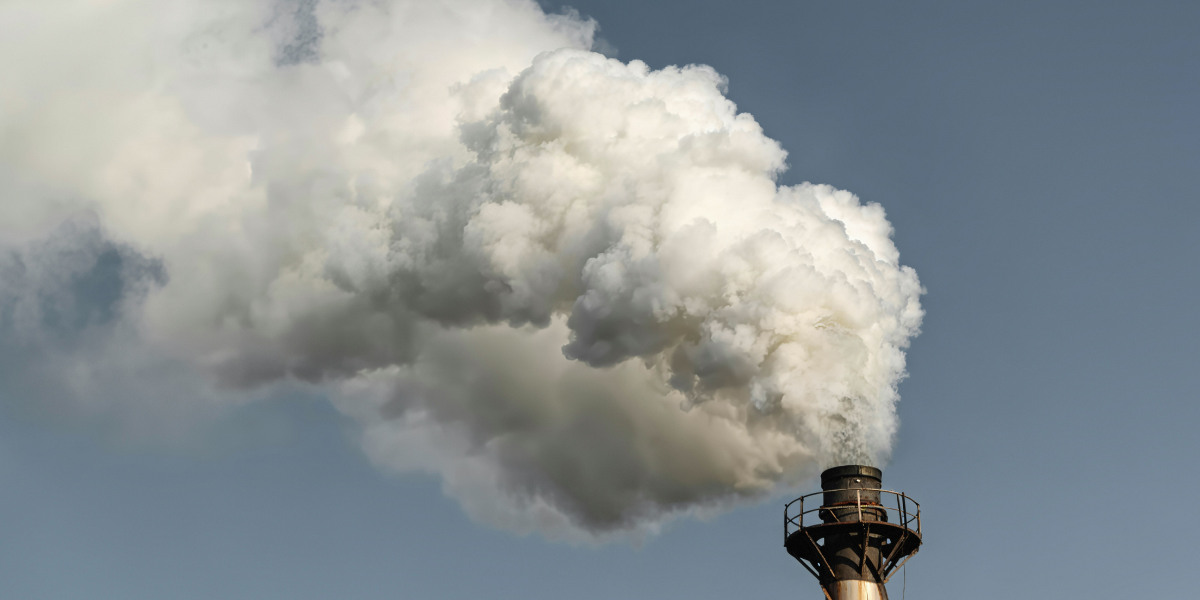
On February 12, 2026, a major regulatory shift unfolded in the United States as the Environmental Protection Agency (EPA) formally repealed the landmark 2009 “endangerment finding”, a scientific determination that carbon dioxide and other greenhouse gases pose a threat to public health and welfare under the Clean Air Act. This decision, announced at the White House by EPA Administrator Lee Zeldin alongside President Donald Trump, marks one of the most significant regulatory rollbacks in recent U.S. environmental policy history.
Background and Legal Significance
The endangerment finding originated in 2009 during the Obama administration and was rooted in the 2007 Supreme Court decision Massachusetts v. EPA, which affirmed the EPA’s authority to regulate greenhouse gases as air pollutants. The 2009 determination identified six greenhouse gases, including carbon dioxide, methane, and nitrous oxide, as pollutants that endanger public health and welfare, thereby triggering regulatory mechanisms under the Clean Air Act to limit emissions from vehicles, power plants, and industrial sources.
For more than 16 years, the endangerment finding served as the legal foundation for federal climate policies ranging from vehicle emissions standards to regulations on industrial greenhouse gas releases. Its repeal effectively removes this statutory basis, undoing the regulatory framework that has governed federal climate action for nearly two decades.
The Administration’s Rationale and Immediate Effects
At a public event on Thursday, Administrator Zeldin characterized the repeal as a restoration of regulatory balance, labeling the original finding as a form of overreach that burdened industries and constrained consumer choice. He hailed the action as a major deregulatory achievement, saying it would reduce compliance costs and expand economic freedom. Officials highlighted potential savings for consumers, such as lower vehicle prices due to the elimination of stringent greenhouse gas standards.
The repeal also comes alongside additional regulatory adjustments aimed at dismantling climate-related vehicle and industrial standards, including the elimination of credits for automatic start-stop ignition systems on vehicles, a technology designed to reduce emissions and improve fuel economy.
Reactions from Experts, States, and Advocacy Groups
The EPA’s decision has drawn sharp reactions from environmental scientists, public health organizations, state officials, and legal experts. Many argue the repeal disregards a substantial body of scientific evidence linking greenhouse gas emissions to worsened public health outcomes and climate change impacts, such as extreme heat, wildfires, hurricanes, and flooding. Critics contend that removing the endangerment finding weakens the federal government’s ability to address these climate-related challenges and undermines decades of emissions reduction progress.
Environmental advocacy groups have pledged legal action, asserting that the decision conflicts with both scientific consensus and established legal precedent. California and several other states, historically at the forefront of stringent climate action, have signaled intentions to challenge the repeal in court, emphasizing that the EPA’s authority to regulate greenhouse gases under the Clean Air Act remains intact despite the rollback.
Broader Policy and Industry Implications
Beyond environmental and public health spheres, the repeal carries substantial implications for U.S. industry and energy markets. By stripping the regulatory basis for greenhouse gas limits, the federal government may see shifts in long-term planning by automotive manufacturers, energy producers, and infrastructure investors. Supporters of the repeal argue it reduces regulatory costs and fosters economic growth, particularly within traditional energy sectors and manufacturing. However, detractors caution that the move could discourage innovation in clean energy technologies and diminish U.S. competitiveness in global renewable energy markets.
The decision also raises questions about the future of federal climate policy. Without the endangerment finding, future administrations may face legal barriers when attempting to reinstate greenhouse gas regulations, unless Congress acts to clarify or expand statutory authority. This could fundamentally reshape the scope and direction of U.S. environmental governance in the coming years.
Key Takeaways
- Legal Shift: The EPA’s repeal of the 2009 endangerment finding eliminates the core scientific and legal basis for federal regulation of greenhouse gases under the Clean Air Act.
- Regulatory Impacts: The move effectively dismantles longstanding climate-related emissions standards for vehicles and industrial sources, with immediate deregulatory effects.
- Scientific and Public Health Debate: The repeal has prompted criticism from scientists and public health advocates who highlight established links between greenhouse gas emissions and climate-related health risks.
- Legal and Political Contention: Environmental groups and several states have pledged legal challenges, arguing the decision undermines statutory obligations and scientific integrity.
- Economic Considerations: Proponents emphasize potential economic benefits through deregulation, while opponents warn of long-term negative impacts on innovation and environmental resilience.
As this action unfolds, its full consequences will depend on forthcoming legal battles, responses from state and local governments, and how industries adapt to a rapidly changing regulatory landscape in the United States.
